

Why Slipping Is the Most Underestimated Liability in Backyard Pool Operations
For commercial operators and property managers who deploy inflatable backyard pools, the most frequent and expensive incident is not a puncture or pump failure. It is a slip-and-fall injury. Unlike structural failures, which are rare with proper maintenance, slips occur daily across wet decks, pool edges, and surrounding grass. When purchasing or specifying an inflatable backyard pool, the primary safety question is not PSI or seam count. It is how the product and its surrounding environment manage water dispersion and foot traction. This guide focuses exclusively on the practical, enforceable steps to prevent slipping accidents around inflatable backyard pools, from product selection to daily operational controls.
Product-Level Design Choices That Affect Slip Risk
Not every inflatable backyard pool is engineered with slip prevention as a priority. Commercial buyers should evaluate three specific design elements during the sourcing phase.
Pool Wall and Floor Texture
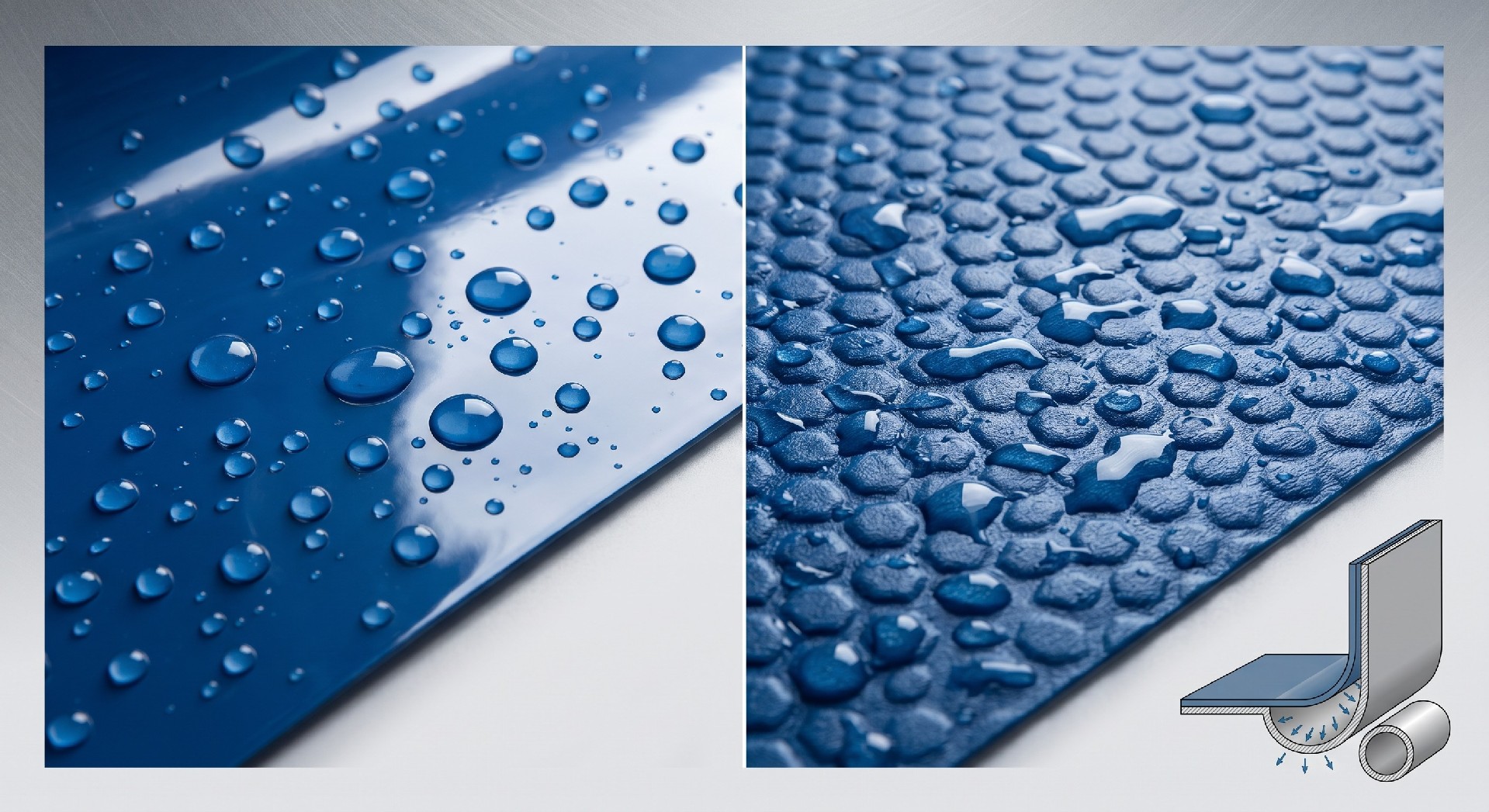
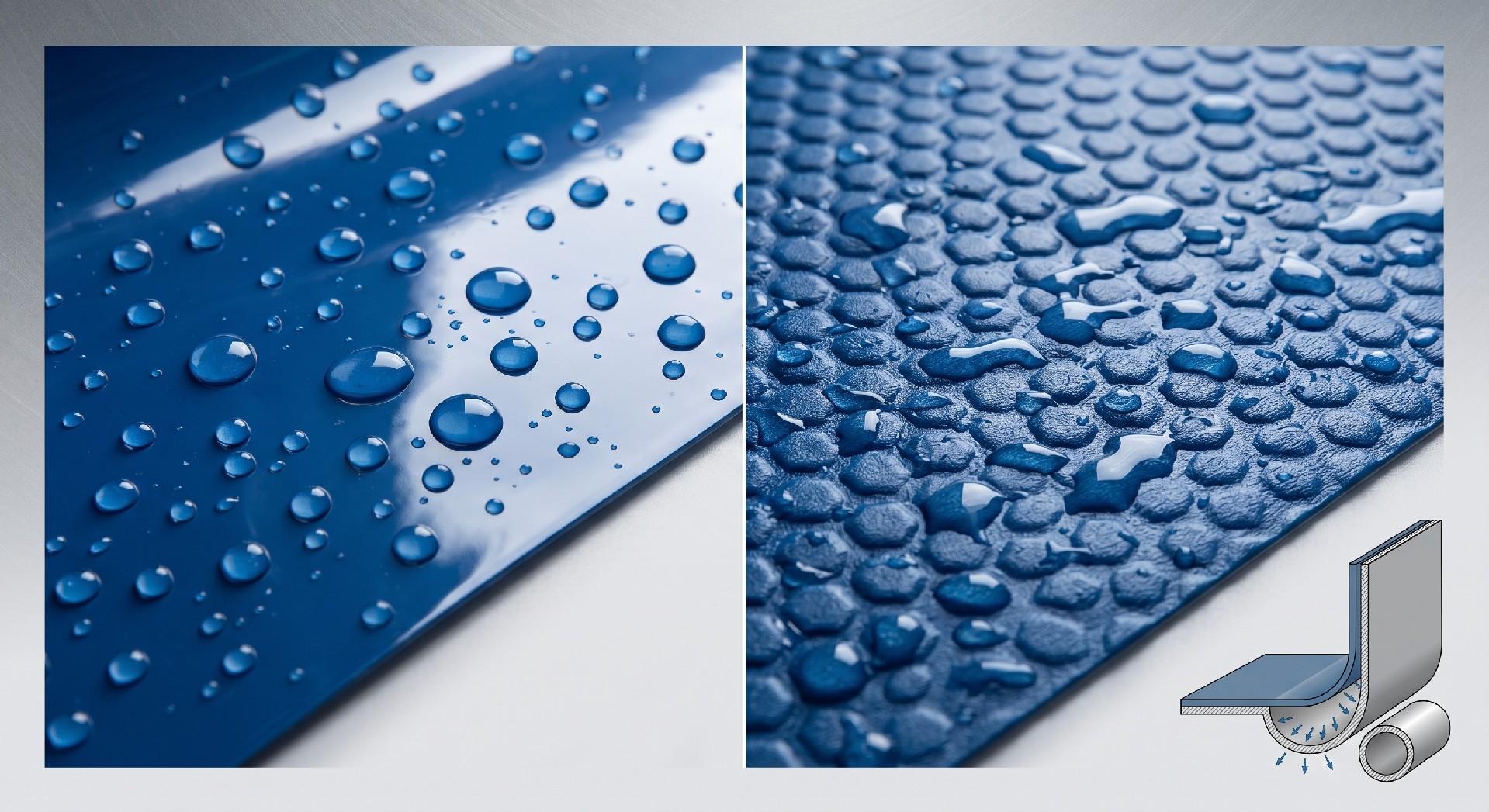
The interior floor and exterior base of the pool are the first contact points. A smooth PVC or vinyl surface becomes extremely slick when wet. Premium commercial-grade pools typically incorporate a raised dimple or embossed texture on the floor. This provides mechanical grip for bare feet. Some suppliers offer a separate non-slip floor mat that attaches via D-rings or hook-and-loop. For B2B buyers, the commercial target is a surface roughness of at least 0.8 Ra, although this is rarely documented. Instead, ask suppliers for a video demonstration of the floor texture under running water.
Top Ring and Sidewall Grip
When users lean on the inflated top ring to enter or exit, they need handhold traction. A glossy, uncoated ring is inherently slippery. Better designs use a textured or coated top ring, often with a soft-touch or anti-slip coating. Some models include molded handgrip indentations. If the ring is smooth, the operator should plan to install external grab handles or ropes at strategic entry points.
Drainage and Water Runoff
Water that accumulates around the pool base creates a mud hazard. Many commercial pools include a built-in drainage channel or weep holes along the base. This allows water to flow away from the pool footprint, reducing puddles. Buyers should request a diagram of the drainage design. A pool without drainage will trap water under the liner, leading not only to slips but also to liner degradation and insect attraction.
Site Selection and Surface Preparation
Even the best-textured pool will fail if placed on an inappropriate surface. The installation ground directly affects the slip coefficient.
Acceptable Base Materials
The ideal base is flat, compacted sand or a purpose-built safety mat. Grass is acceptable but only when the grass is short, dry, and even. Concrete or asphalt are used in some permanent installations, but they require a cushioned protective groundsheet. Do not install a pool directly on gravel, uneven soil, or bare concrete. These surfaces promote both slipping and punctures. A commercial-grade ground tarp should be used at all times.
Grade and Slope
Commercial operators must verify that the installation surface has a slight slope of 1-2% away from the pool. This directs water runoff away from the entry area. Use a laser level to check this during setup. A pool placed in a depression will accumulate standing water, making the surrounding zone impassable.
Zone of Exposure
Define a 2-meter safety perimeter around the pool. This is the zone of highest foot traffic. Within this zone, grass should be removed or replaced with non-slip rubber tiles. These tiles interlock and provide a dry, stable standing surface. In emergency scenarios, a slip-resistant mat placed immediately outside the pool entry reduces the first step risk.
Operational Protocols That Reduce Slip Frequency
Product design sets the baseline. Operational procedures determine whether that baseline is maintained or eroded over time.
Entry and Exit Control
Uncontrolled entry is a major risk factor. Establish a single designated entry point, such as a ladder or a ramp. This concentrates water splashes in one area and allows targeted control. If using a ladder, verify that the ladder feet have non-slip rubber boots. For shallow pools without a ladder, place a non-slip step stool at the entry. Operators should enforce a rule that users dry their feet on a bath mat before stepping away from the pool.
Water Depth and Splash Management
Overfilling the pool increases splash-out and water accumulation on the deck. Maintain the water level at 80-90% of the wall height. Inflatable backyard pools have a maximum fill line. Do not exceed it. Position the pool at least 10 meters from building entrances to prevent water from being tracked indoors.
Scheduled Dry-Off Periods
After every 2 hours of continuous use, implement a 15-minute rest period. During this time, staff should towel-dry the top ring and exterior walls. This breaks the cycle of continuous wetness and allows the surrounding mat to dry. This practice is especially important in high-humidity environments where evaporation is low.
| Operational Control | Recommended Action | Risk If Ignored | Verification Method |
|---|---|---|---|
| Entry Point | Designate one entry point. Use a non-slip step stool or ladder. | Multiple entry zones create uncontrolled water spread and high-traffic mud areas. | Visual inspection and staff briefing. |
| Water Level | Maintain at 80-90% of wall height, below the fill line. | Overfilling causes massive splash-out, saturating the surrounding zone. | Check with a dipstick or mark on the wall. |
| Daily Dry-Off | Implement a 15-minute rest period every 2 hours. Dry the top ring and walls with a towel. | Continuous wetness leads to biofilm formation on the exterior. | Set a timer and log the dry-off sessions in a daily logbook. |
| Post-Rain Protocol | Clean the entire exterior and mats with mild detergent and rinse. | Dirt and pollen mix with water to create a slippery biofilm. | Perform a walk-through test with wet shoes before allowing users. |
| Morning Setup | Dry the pool and ground with a squeegee or absorbent roller before use. | Condensation on the exterior surfaces causes early-hour slips. | Check for visible moisture before opening. |
Supplier Verification and Acceptance Testing
Before committing to a large order, commercial buyers should verify the pool's slip prevention claims through practical tests.
Wet Coefficient of Friction Test
The best available test is a wet coefficient of friction measurement, although few suppliers conduct this in-house. As a procurement condition, ask the supplier to perform a simple field test: Place a wet pool sample on a 10-degree incline and observe whether a weighted shoe sole slides. The acceptable result is no movement for at least 15 seconds. While not a certified test, it provides a direct comparison between suppliers.
Material Sample Review
Request a 20x20 cm floor material sample. Wet the sample and rub it with your hand. The texture should feel aggressive, not smooth. Smooth samples are unacceptable. Some suppliers will offer a slip-resistant coating as an option, but note that coatings can wear off over time. A mechanically embossed or molded texture is more durable.
Surface Wear Simulation
Ask the supplier to describe the surface texture's expected lifespan after 500 hours of sunlight and water exposure. A common commercial target is to retain at least 70% of the original texture depth. Without this guarantee, the pool's slip resistance will degrade faster than the structural material.
Weather-Related Slip Conditions and Contingency Plans
Weather changes the slip risk profile dramatically.
Rain and Storms
Rain adds a fresh layer of water, but more importantly, it washes dirt and pollen onto the pool exterior. Dirt mixed with water creates a biofilm that is more slippery than water alone. After any rain event, the pool and surrounding mats must be cleaned with a mild detergent and rinsed before reopening. A simple hose spray is not sufficient.
Morning Dew
In the morning, the pool's exterior surfaces and the ground beneath the pool are often saturated with condensation. This is a common cause of early-hour slips. Delay opening until the pool has been dried with an absorbent roller or squeegee. Many commercial operations delay morning sessions by 30-45 minutes specifically for this reason.
Sun and Heat
Sunlight can cause some PVC materials to become tacky or soft. While this increases grip slightly, it also reduces the material's structural integrity. More relevant is the effect on users: sweaty feet are less prone to slipping than dry feet, but they can still slide on a glossy surface. The primary heat-related concern is the drying rate of the surrounding area. In dry heat, water evaporates quickly, reducing the slip risk. In humid heat, the risk is chronic.
Retrofit Solutions for Existing Pools
If you already have a pool without adequate slip prevention, several retrofit options are commercially available.
Adhesive Tread Strips
Self-adhesive non-slip strips can be applied to the top ring and sidewalls. These are commonly used in marine and industrial applications. The strips should have a peel-and-stick backing and a coarse grit surface. They are inexpensive and quick to install. However, the adhesive may weaken after 30 days in water. Plan to replace them seasonally.
Floor-Mounted Entry Mats
Place a 2x3 meter commercial entrance mat immediately at the exit point. These mats have rubberized undersides and absorbent top surfaces. They do not replace a textured pool floor, but they reduce the water transfer from feet to the surrounding area. Look for mats with a drainage hole to let water pass through.
Pool Surrounding Surfacing
The most expensive but most effective retrofit is installing interlocking rubber tiles around the pool perimeter. These tiles are 2.5 cm thick and provide excellent traction. They are resistant to pool chemicals and UV exposure. This option is best for pools that remain set up for an entire season.
Buyer Decision Checklist for Slip Prevention
When evaluating suppliers or new product models, use the following procurement checklist. This ensures that slip prevention is not an afterthought but a core design requirement.
Floor Texture: Confirm the floor has a raised, embossed texture. Reject smooth PVC surfaces.
Top Ring Grip: Verify that the top ring is either textured, coated, or designed to accept aftermarket grip strips.
Drainage Design: Request a drawing of the base drainage. Weep holes or drain channels should be visible.
Surface Statement: Ask the supplier to state the recommended installation base. If they only specify 'flat ground,' ask for a more detailed recommendation.
Wet Test: Conduct a wet traction test on a material sample before signing any purchase order.
Warranty Coverage: Ensure the warranty covers the structural integrity and surface wear, but note that slip prevention is typically excluded from standard warranties. This is a buyer's negotiation point.
Selecting an inflatable backyard pool solely on price or aesthetics is a commercial liability. The data above shows that slip prevention is a system that includes design, surface preparation, operational discipline, and weather management. Every one of these factors is controllable and verifiable. The final recommendation is to prioritize pools with documented textured surfaces and to budget for a protective mat or tile system around the perimeter. This two-layer approach reduces slip risk more effectively than any single design feature.
