

Introduction: The Portability Paradigm Shift
The weekend travel landscape is undergoing a fundamental transformation, driven by a single, compelling force: the portable kayak. No longer relegated to the status of a mere novelty, modern inflatable and foldable kayaks, particularly those leveraging advanced drop-stitch technology, are challenging the long-standing dominance of traditional hard-shell kayaks . For the discerning outdoor enthusiast and B2B rental operator alike, the critical metric is no longer just about on-water performance, but the holistic value proposition encompassing transport, logistics, storage, and the total cost of ownership (TCO).
This blog post delves deep into the engineering and practical efficiencies of portable kayaks. We will explore how innovations in materials, construction, and compact design are not just changing how we travel, but redefining where we can travel and how businesses can profit from this versatility. From ultralight packrafts weighing a mere 4 pounds to high-pressure inflatables that pack into a backpack, the barriers to entry for spontaneous water-based adventures are dissolving .
As the market size for portable kayaks is projected to grow by over $11 million from 2025-2029, understanding the technical specifications and logistical advantages of these craft is paramount for brands, distributors, and rental fleets aiming to capitalize on this trend .
The Engineering of Efficiency: Materials and Pressure Dynamics
The core of the portable kayak revolution lies in advanced materials science and innovative construction techniques that have dramatically reduced weight without compromising structural integrity. This is a far cry from the heavy, bulky inflatables of the past, ushering in an era where high performance and high portability are synonymous.
Drop-Stitch Technology: The Rigidity Game-Changer
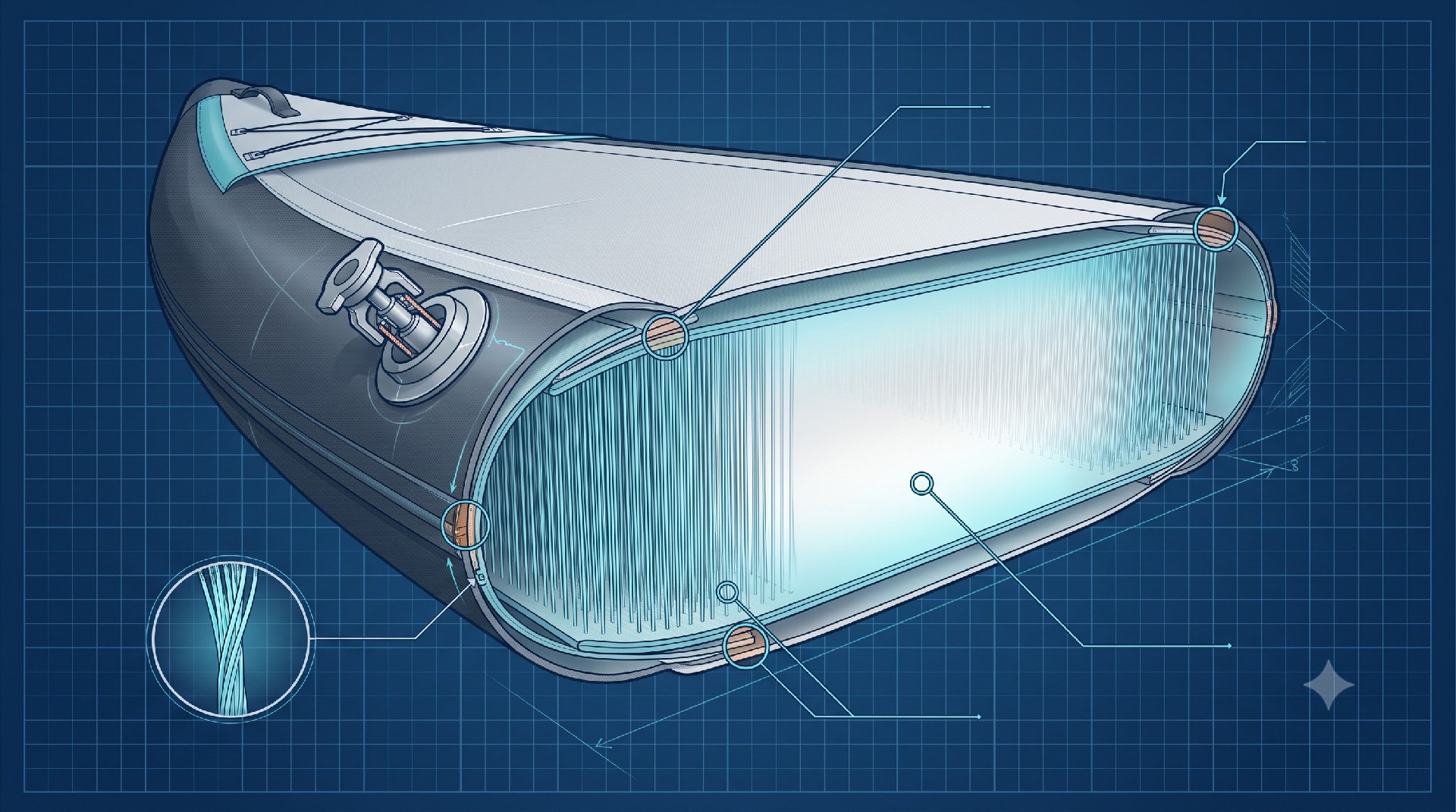
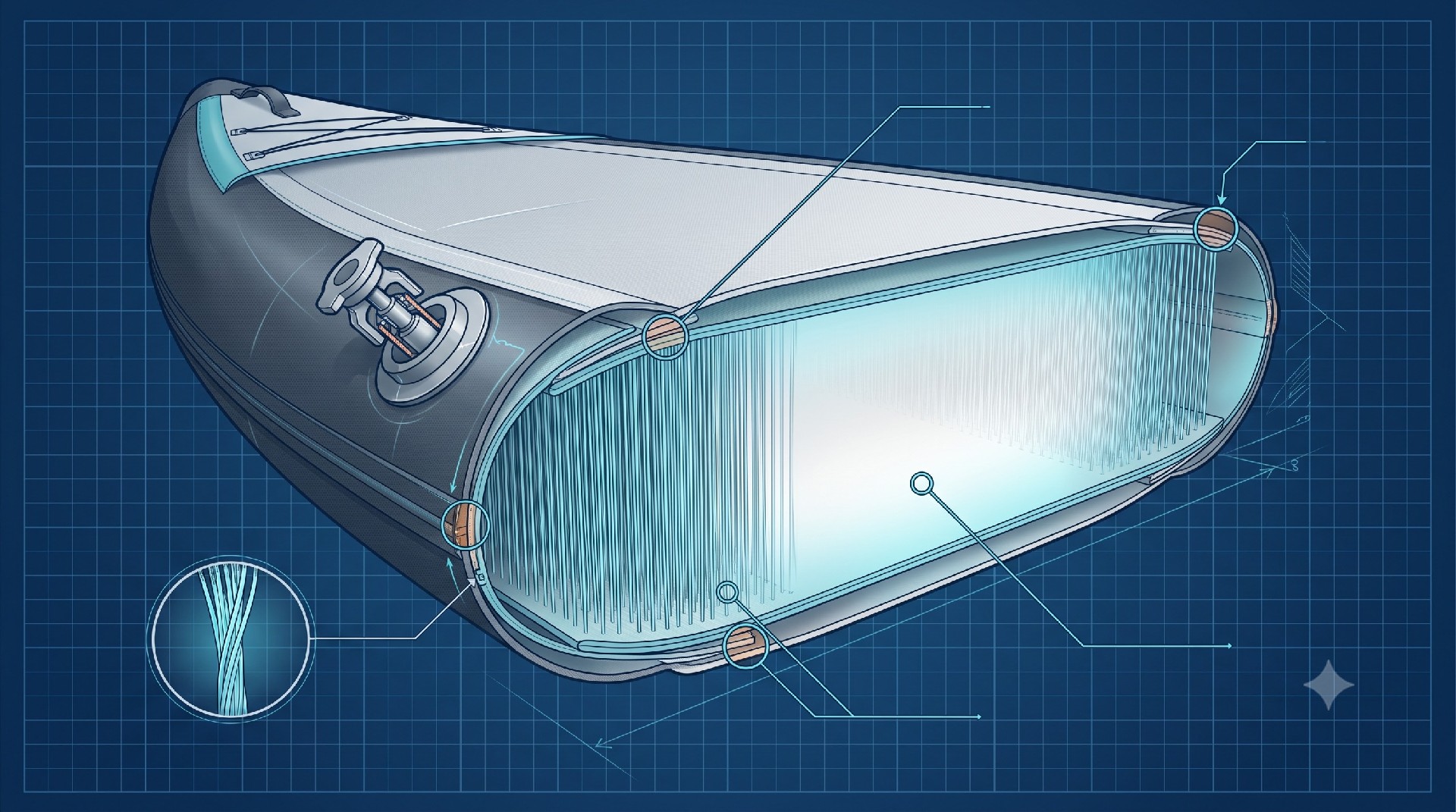
The single most significant advancement is the widespread adoption of drop-stitch technology. This engineering marvel involves thousands of high-tenacity polyester threads connecting the top and bottom layers of a kayak's hull. When inflated to high pressures—typically between 8 and 12 PSI—these threads hold the fabric taut, creating a rigid, flat surface that mimics the feel and performance of a fiberglass or polyethylene hull . This construction method allows for the creation of V-hulls and sharp chines, which are essential for efficient tracking and speed . In contrast, traditional low-pressure inflatable kayaks (2-4 PSI) often exhibit a 'banana' shape and lack the rigidity for efficient paddling, making them feel sluggish and unresponsive.
Material Innovations: From PVC to Ultralight Composites
The evolution of materials is equally crucial. While high-grade, reinforced PVC (e.g., 1100D) remains an industry workhorse for its durability and abrasion resistance, manufacturers are increasingly turning to advanced composites to achieve new standards of portability. For example, the use of AeroULTRAX™, a heat-welded TPU (Thermoplastic Polyurethane) material, has enabled the creation of kayaks that start at just 16.5 pounds . At the extreme end of lightweight design, some packrafts utilize eco-friendly fabric-reinforced PU (Polyurethane) construction to achieve a staggering weight of just 4 pounds, making them suitable for the most remote, hike-in locations . These material choices directly impact deflation efficiency and packability.
Seam Integrity: Welded vs. Glued
A key differentiator between a high-performance, durable portable kayak and a disposable one is the method of seam construction. Commercial-grade and premium recreational kayaks utilize high-frequency (HF) heat-welding or thermal bonding. This process creates a molecular-level bond between layers of material, resulting in a joint that is as strong as the material itself, capable of withstanding the high PSI demands of drop-stitch floors. Conversely, hand-glued seams are a common point of failure in cheaper alternatives; they degrade over time, especially under UV exposure, leading to leaks and a drastically reduced operational lifespan .
Logistical Superiority: Storage and Transport Optimized
The logistical advantages of portable kayaks represent their most disruptive feature. They directly address the limitations of space, storage, and transport that have historically confined kayaking to a niche activity. For individuals and businesses, this translates into unprecedented flexibility and cost savings.
| Key Parameter | Technical Specification (Commercial-Grade Examples) |
|---|---|
| Material Construction | 1100D Reinforced PVC, AeroULTRAX™ (TPU), or Eco-friendly Fabric PU |
| Drop-Stitch Core | Thousands of internal polyester yarns enabling high pressure |
| Maximum Operating Pressure | 8-12 PSI for rigid, hard-shell-like performance |
| Weight (Inflated) | Ultralight packrafts as low as 4 lbs; Premium inflatables 16.5-35 lbs |
| Maximum Payload Capacity | 300-916+ lbs depending on model and length |
| Pack-Down Size | As small as 11" x 11" x 5"; Typically fits in a backpack or small duffel |
| Seam Construction | High-frequency (HF) heat-welded for molecular-level strength |
| Inflation/Deflation Time | <10 minutes with a high-pressure pump |
| Industry Certifications | CE, EN71, ISO 6185, REACH compliant |
Real-World Portability Metrics
To understand the impact, let's compare the logistics of a traditional hard-shell versus a modern high-performance inflatable kayak. A typical 12-foot hard-shell kayak is bulky, requiring a roof rack or trailer for transport and a garage or dedicated shed for storage. In contrast, a premium drop-stitch inflatable kayak like the 15-foot BOTE Vali Aero packs down into a travel bag measuring just 20" L × 13.75" W × 28.5" H and weighs only 23 lbs . Similarly, a 16-foot Sea Eagle Travel Canoe, when deflated, compresses to the size of a large sleeping bag, potentially fitting in the trunk of a compact car and easily qualifying as standard airline luggage .
The implications for B2B rental fleets are profound. A fleet of 20 hard-shell kayaks requires significant upfront investment in storage racks and a heavy-duty truck for transport. An equivalent fleet of drop-stitch kayaks can be stored deflated in roughly 1/6th the space, transported in a single van, and requires only about 90 minutes of weekly maintenance compared to 4+ hours for a hard-shell fleet .
Inflation and Deflation: Speed and Ergonomics
Ease of setup is a major selling point. Modern portable kayaks utilize high-flow valves, such as military-style or Twistlok™ valves, allowing for rapid inflation with high-pressure hand or electric pumps . With the right pump, a kayak can be inflated in under 10 minutes, minimizing downtime and maximizing time on the water . Deflation is equally efficient, allowing for a quick pack-up and departure, a key advantage for the spontaneous weekend traveler.
B2B Commercial Applications and ROI
For the B2B sector, particularly in rental and outdoor recreation, the shift toward portable kayaks is being driven by clear economic and operational incentives. These products are not just consumer items; they are income-generating assets with a significantly lower TCO than traditional alternatives.
Rental Fleet Profitability
The economics are compelling. A rental operator can purchase a single PVC bladder kayak for roughly $90, but its lifespan in commercial use is a mere 18-30 months. In contrast, a commercial-grade drop-stitch kayak costs around $200 but will last 4-6 years, resulting in a similar annual depreciation cost while offering a vastly superior customer experience (better tracking, speed, and stability) . This superior experience leads to higher customer satisfaction, repeat business, and a stronger brand reputation. Furthermore, the reduced maintenance and storage overheads directly boost profitability.
Expanding Market Reach
Portable kayaks allow rental operators to expand their offerings to new and challenging locations. The ability to transport a fleet easily means operators can establish pop-up rental kiosks at various lakes, rivers, or coastal spots. For instance, the 4 lb Advanced Elements PackLite™ is ideal for guided tours to remote alpine lakes, offering a premium experience that commands higher rental fees . This versatility opens up new revenue streams and differentiates businesses from competitors stuck with conventional fleets.
Data-Driven Evaluation: Key Specs for Commercial Buyers
When sourcing for a commercial fleet, B2B buyers must look beyond marketing and focus on quantifiable metrics. Key parameters include drop-stitch density, material thickness (e.g., 0.9mm reinforced PVC), HF welding standards, and rigorous pressure retention tests (e.g., inflating to 10 PSI and holding for 48 hours with a drop of ≤0.5 PSI) . Compliance with international safety standards like CE, EN71, and ISO 6185 is non-negotiable for mitigating liability and ensuring consumer safety. Brands that can provide comprehensive data on these fronts, such as Ridewave with their in-house drop-stitch production and stringent QC rejections rates, represent true strategic partners rather than just vendors .
Conclusion: The Future of Water-Based Travel
Portable kayaks are unequivocally changing the landscape of weekend travel. By leveraging advanced materials like AeroULTRAX™ and drop-stitch technology, manufacturers have solved the portability puzzle without sacrificing the performance that serious paddlers demand. The ability to pack a high-performance kayak into a compact bag and take it anywhere—from a roof of a small car to an overhead airplane compartment—has democratized water sports, making them accessible to a wider audience than ever before.
For B2B stakeholders, from distributors to rental operators, the message is clear: the time to embrace this innovation is now. The economic advantages in terms of fleet ROI, reduced operational overhead, and the ability to offer premium, accessible experiences are too significant to ignore. The portable kayak is not just an alternative; for a growing segment of the market, it represents the optimal choice, signaling a permanent shift in how we connect with our waterways.
