

Introduction: The Procurement Decision that Defines Your Outdoor Brand
For B2B buyers in the outdoor equipment sector, the decision between mummy vs rectangular sleeping bag designs is more than a matter of consumer preference; it is a strategic choice impacting material costs, logistics, and end-user satisfaction. Retailers, rental fleets, and hospitality buyers must align product selection with specific commercial applications. This guide serves as a definitive technical resource for sourcing sleeping bag shapes, offering an expert analysis of thermal efficiency, material science, and the total cost of ownership (TCO) for both mummy and rectangular configurations. By moving beyond simple anecdotal advice, we deliver a data-driven framework for optimizing your procurement strategy.
A high-quality 4K realistic outdoor lifestyle photography showing sleeping bag shape in use, beautiful natural landscape, lake or mountain background, professional commercial vibe, generic unbranded gear design, no text.
Material Science and Thermal Dynamics: The Engineering Behind the Shape
Understanding the material and structural differences is critical for B2B buyers. The geometric design of a sleeping bag directly dictates its thermal performance and packability, which are core engineering metrics.
Mummy Shape: Optimized Thermodynamic Efficiency
The mummy bag is engineered for thermal efficiency. Its tapered design, which narrows from the shoulders to the feet, follows the natural contour of the human body. This anatomical fit minimizes the internal dead air space—the volume of air your body must heat. A smaller internal volume equates to faster heat retention and superior warmth-to-weight ratios. In high-altitude or cold-weather scenarios, this shape is the undisputed leader. The integrated hood, a critical feature of the mummy design, further prevents heat loss through the head . From a material perspective, the reduced fabric footprint allows for high-performance insulation—such as high-fill-power down or advanced synthetics—while maintaining a lightweight and highly compressible pack size, crucial for minimizing storage and shipping costs .
Rectangular Shape: Maximizing Usable Volume and Comfort
Conversely, the rectangular sleeping bag is defined by its spatial generosity. This shape is squared at both ends, providing ample room for movement and a bed-like experience. The larger internal volume, however, requires significantly more energy (body heat) to warm, making it thermally inefficient compared to the mummy shape. Manufacturers compensate for this by using more insulation material, which adds weight and bulk. The primary B2B advantage of this shape lies in its versatility and adaptability for glamping resorts, car camping rental fleets, and family camping markets where consumer comfort takes precedence over weight and packability. Additionally, the ability to fully unzip rectangular models into a duvet or zip together identical bags to create a double offers distinct value propositions for certain market segments .
Technical Specifications and Performance Matrix
For professional procurement, evaluating sleeping bag specifications requires precise data. The following table provides a comparative analysis of critical performance indicators for B2B sourcing of mummy vs rectangular sleeping bags. These metrics are essential for aligning product choice with commercial use cases.
| Parameter | Mummy Sleeping Bag | Rectangular Sleeping Bag | B2B Implication |
|---|---|---|---|
| Internal Volume (Air Space) | Low (Tapered design) | High (Uniform width) | Directly correlates with thermal efficiency; mummy bags require less energy to heat. |
| Insulation Efficiency | Exceptional (Minimal dead space) | Moderate (More space to heat) | Mummy bags can achieve the same warmth rating with less fill weight, reducing material costs. |
| Packability & Compression | High (Lightweight, compact) | Low (Bulkier, heavier) | Mummy bags significantly reduce shipping volume and storage footprint, lowering logistics costs. |
| Hood Configuration | Integrated, often with drawcord | Typically absent or detachable | Critical for heat retention; mummy bags are superior for cold-weather applications. |
| Zipper System | Single zip down one side | Dual zips, can unzip fully | Rectangular bags offer versatility as a duvet or double-bag system for specific markets. |
| Target End-User | Backpackers, mountaineers, cold-weather campers | Car campers, glamping guests, families | Defines the primary market segment and retail strategy for the buyer. |
| Parameter | Mummy Sleeping Bag | Rectangular Sleeping Bag | B2B Implication |
|---|---|---|---|
| Internal Volume (Air Space) | Low (Tapered design) | High (Uniform width) | Directly correlates with thermal efficiency; mummy bags require less energy to heat. |
| Insulation Efficiency | Exceptional (Minimal dead space) | Moderate (More space to heat) | Mummy bags can achieve the same warmth rating with less fill weight, reducing material costs. |
| Packability & Compression | High (Lightweight, compact) | Low (Bulkier, heavier) | Mummy bags significantly reduce shipping volume and storage footprint, lowering logistics costs. |
| Hood Configuration | Integrated, often with drawcord | Typically absent or detachable | Critical for heat retention; mummy bags are superior for cold-weather applications. |
| Zipper System | Single zip down one side | Dual zips, can unzip fully | Rectangular bags offer versatility as a duvet or double-bag system for specific markets. |
| Target End-User | Backpackers, mountaineers, cold-weather campers | Car campers, glamping guests, families | Defines the primary market segment and retail strategy for the buyer. |
Commercial Application and Sourcing Strategy
From a B2B perspective, the choice of sleeping bag shape dictates your market positioning. For a wholesale distributor or a rental fleet focused on high-altitude trekking or expedition gear, the mummy shape is the only logical choice. Its superior thermal performance and space-saving packability ensure that it is the preferred option for consumers prioritizing weight and warmth. For businesses serving the glamping resort or car-camping market, rectangular bags offer a premium sleeping experience with a focus on interior space, allowing guests to stretch out and feel at home . The total cost of ownership (TCO) must be evaluated; while mummy bags may offer savings in shipping and storage, rectangular bags can command a higher perceived value in comfort-focused markets. Your procurement strategy should align with the core demands of your target audience, ensuring your product line meets the specific balance of performance, comfort, and cost efficiency demanded by your market.
[IMAGE_2]
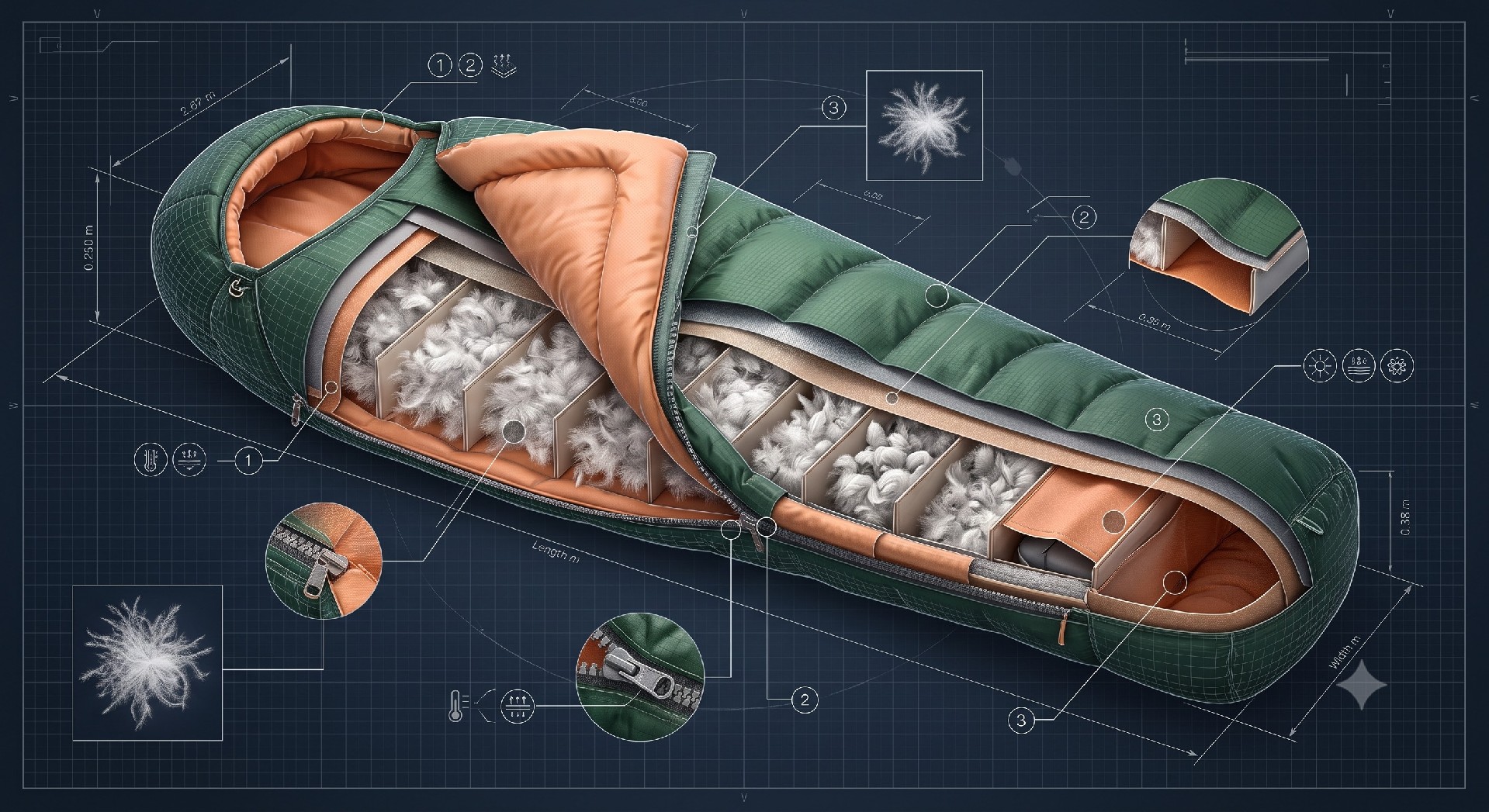
A high-quality 4K blueprint or abstract 3D cross-section illustration showing the internal structure of sleeping bag shape, highly detailed, engineering vibe, unbranded logic, no text.
Conclusion: Aligning Shape with Business Outcomes
In the B2B outdoor equipment sector, the choice between mummy and rectangular sleeping bags is a calculated decision based on market needs and commercial logistics. The mummy shape stands as the pinnacle of thermal efficiency and material economy, ideal for applications where performance and portability are paramount. The rectangular shape excels in providing spacious comfort, making it a superior product for glamping and car-camping scenarios. By understanding the material science, technical specifications, and market applications detailed in this guide, B2B buyers can make informed sourcing decisions that optimize ROI, reduce logistical overhead, and maximize end-user satisfaction. Invest in the shape that serves your specific business model.
