

Introduction: The Commercial Imperative of Sustainable Sourcing
The outdoor recreation industry is experiencing a paradigm shift. With over 21 million new campers entering the market since 2021 and a significant majority of Millennial and Gen Z campers expressing a willingness to pay a premium for sustainable outings, the demand for eco-friendly camping solutions is no longer a niche trend—it is a commercial necessity . For B2B buyers, procurement managers, and outdoor equipment wholesalers, integrating eco-friendly camping gear into your portfolio is not just an ethical choice; it is a strategic move to capture a growing market segment and ensure long-term profitability.
This guide serves as a comprehensive technical deep-dive into the world of sustainable camping equipment. We will explore advanced materials, manufacturing standards (CE, EN71, ISO 6185, REACH), and the specific technical specifications that define commercial-grade, environmentally responsible outdoor products. From the durability of drop-stitch fabrics to the ROI of solar-powered systems, we provide the data-driven insights necessary to make informed sourcing decisions.
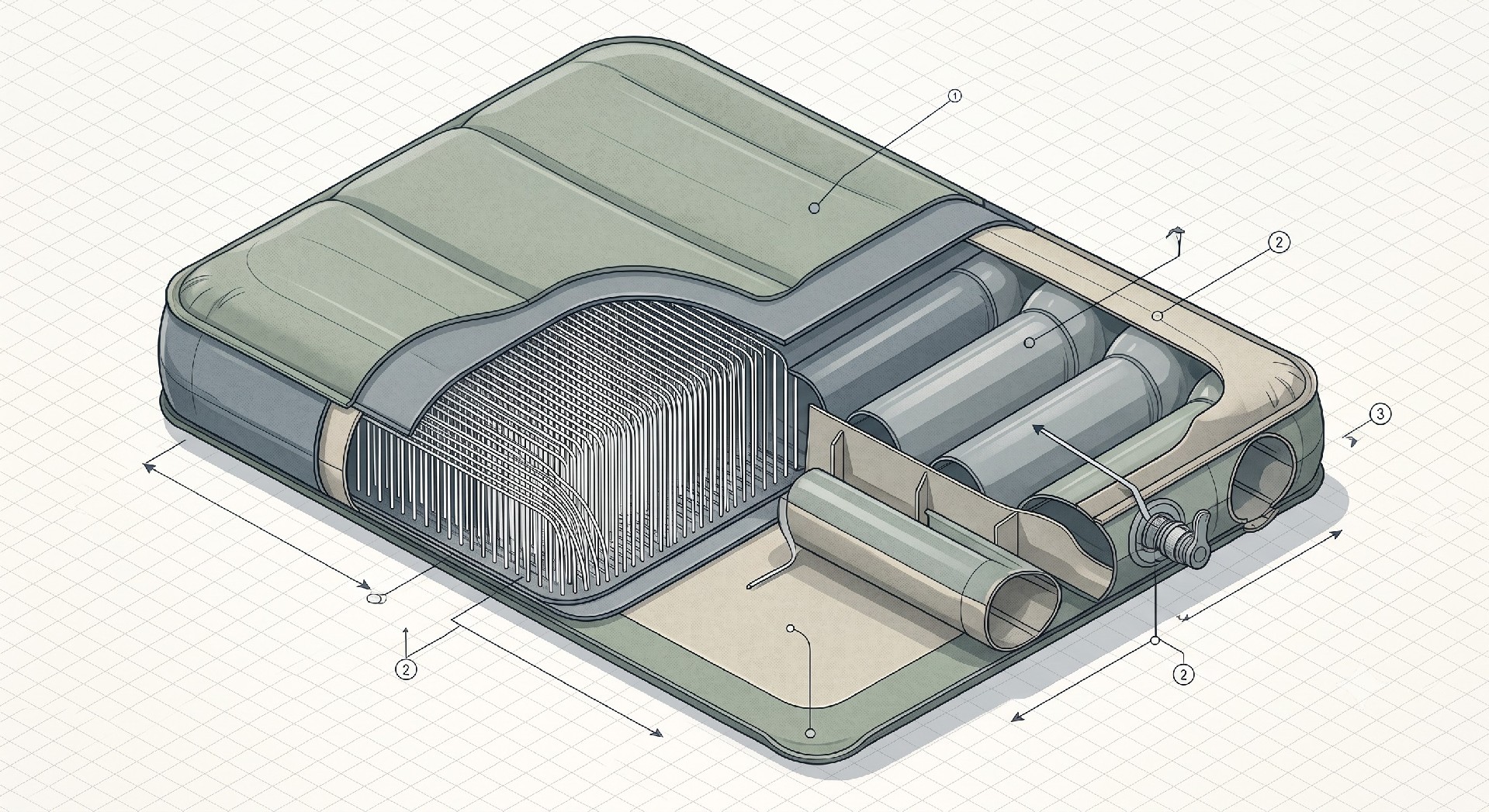
Material Science: The Foundation of Eco-Friendly Commercial Gear
The cornerstone of any durable and eco-conscious camping product lies in its materials. For B2B applications—such as high-throughput rental fleets, glamping resorts, or municipal equipment—the choice of material directly impacts lifespan, maintenance costs, and environmental footprint.
Advanced Fabric Technologies: PVC, Hypalon, and Recycled Alternatives
While traditional PVC has been an industry workhorse due to its durability and cost-effectiveness, modern sourcing prioritizes advanced composites and recycled alternatives. Leading suppliers are now integrating materials like Recycled Polyester and Regenerated Nylon into their product lines to meet sustainability benchmarks without sacrificing performance .
Reinforced PVC (1100D/0.9mm thickness): Offers exceptional puncture and abrasion resistance. Look for variants that meet REACH compliance to ensure safety in chemical formulations. For heavy-duty inflatables, a thickness of 0.9mm is standard for commercial applications [citation:TABLE_1].
Hypalon / CSM (Chlorosulfonated Polyethylene): Known for superior UV and ozone resistance. While more expensive, Hypalon offers a longer lifespan in extreme high-UV marine environments, reducing the frequency of fleet replacement .
Drop-Stitch Technology: Critical for high-pressure inflatables (SUPs, docks). A drop-stitch core allows for PSI ratings of 10-15 PSI, providing rigid, hard-shell-like performance. The denier count (e.g., 1100D) directly correlates with abrasion resistance and structural integrity during high-pressure inflation .
Chemical Compliance and Certifications (CE, EN71, REACH)
For commercial distribution, regulatory compliance is non-negotiable. B2B buyers must prioritize equipment that meets international safety and environmental standards to mitigate liability and ensure market access.
CE and EN71: Essential for the European market, ensuring products meet health, safety, and environmental protection standards. This includes rigorous testing for heavy metals and phthalates in materials .
ISO 6185: Specifically for inflatable boats and marine equipment, this standard specifies construction and safety requirements, including payload capacities and buoyancy .
REACH and PFAS-Free: Compliance with REACH regulations and a commitment to eliminating PFAS (per- and polyfluoroalkyl substances) are becoming industry standards. The next generation of weather protection uses plant-based nylons and PFAS-free DWR finishes, reducing carbon impact by up to 50% compared to fossil-based alternatives .
Engineering and Manufacturing: Weld Integrity and Product Lifespan
Material selection is only half the equation. The manufacturing process—specifically seam engineering—determines the operational lifespan of the equipment. For rental operators, downtime due to seam failure translates directly to lost revenue.
| Key Parameter | Technical Specification for Commercial-Grade |
|---|---|
| Material Base | Reinforced PVC / Hypalon (CSM) / Recycled Polyester |
| Material Thickness / Denier | 0.9mm / 1100D minimum for high-abrasion areas |
| Drop-Stitch Core PSI | 10 - 15 PSI (High-Pressure Rigidity) |
| Maximum Payload Capacity | 400 kg / 880 lbs (Heavy-Duty) |
| Seam Construction | High-Frequency Heat-Welded (Molecular Bond) |
| Safety Standard Compliance | CE, EN71, ISO 6185, REACH, PFAS-Free |
| Inflation/Deflation Time | < 5 minutes (with high-volume pump) |
Heat-Welded vs. Glued Seams
The integrity of an inflatable product is defined by its seams. In commercial-grade eco-friendly camping gear, heat-welded seams are vastly superior to glued alternatives.
Heat-Welded Seams: This process uses high-frequency welding to fuse the material at a molecular level. This creates a homogenous bond that is stronger than the material itself, ensuring long-term air retention and structural stability. This is critical for maintaining the required PSI in high-pressure applications .
Glued Seams: While cheaper, glued seams are susceptible to degradation from UV exposure, temperature fluctuations, and chemical breakdown over time, leading to higher failure rates and increased maintenance costs.
Multi-Chamber Safety and Buoyancy Systems
For products intended for use on or near water (e.g., inflatable kayaks, paddleboards, floats), multi-chamber design is a critical safety feature. This ensures that if one chamber is compromised (e.g., punctured), the product retains sufficient buoyancy for safe return to shore. This is not just a safety feature but a requirement for ISO 6185 compliance .
Commercial Use Cases: Maximizing ROI with Sustainable Equipment
Investing in high-quality, eco-friendly equipment aligns with both consumer expectations and operational efficiency. The Total Cost of Ownership (TCO) for durable, sustainable gear is often lower than cheap, disposable alternatives due to extended lifecycles and reduced waste.
[IMAGE_2]
Glamping Resorts and Premium Experiences
For glamping resorts, the guest experience is paramount. Eco-friendly, commercial-grade equipment enhances the premium feel of the stay while aligning with the values of high-end clientele. Durable canvas tents, solar-powered lighting, and high-capacity inflatable furniture with 400kg payload capacities ensure comfort and longevity .
High-Throughput Rental Fleets
Rental operators benefit from equipment that offers rapid inflation/deflation cycles and robust puncture resistance. Products featuring high-volume valve systems can reduce turnaround time by up to 50%, allowing for more rentals per day. Features like reinforced PVC at 0.9mm thickness resist wear and tear from frequent handling and transportation .
Municipal and Educational Applications
From park departments to educational institutions, there is a growing trend to source equipment that is both durable and sustainable. This includes items like eco-friendly patio mats made from recycled plastics (keeping up to 80 plastic bottles per mat out of landfills) and energy-efficient solar charging stations .
Conclusion: The Strategic Sourcing Verdict
The move toward eco-friendly camping equipment is a strategic investment in the future of the outdoor industry. For B2B buyers, the key to success lies in evaluating technical specifications—from denier count to PSI limits and ISO compliance—rather than just the price tag. By prioritizing materials like high-denier PVC, utilizing advanced manufacturing processes like heat-welding, and ensuring compliance with CE and REACH standards, procurement managers can build a portfolio that meets the growing consumer demand for sustainability while optimizing long-term ROI.
