

The Commercial Challenge of Off-Season Storage
For B2B buyers, rental fleets, and hospitality venues, the end of summer presents a critical logistical challenge: how to efficiently store family inflatable pools to maximize asset lifespan and minimize operational costs. Improper storage leads to material degradation, mold growth, and structural failures that can slash a product's ROI by up to 40% . This guide provides a data-driven, technical framework for optimizing your deflation, cleaning, and storage protocols based on industry standards and material science.
Material Science & Pre-Storage Inspection
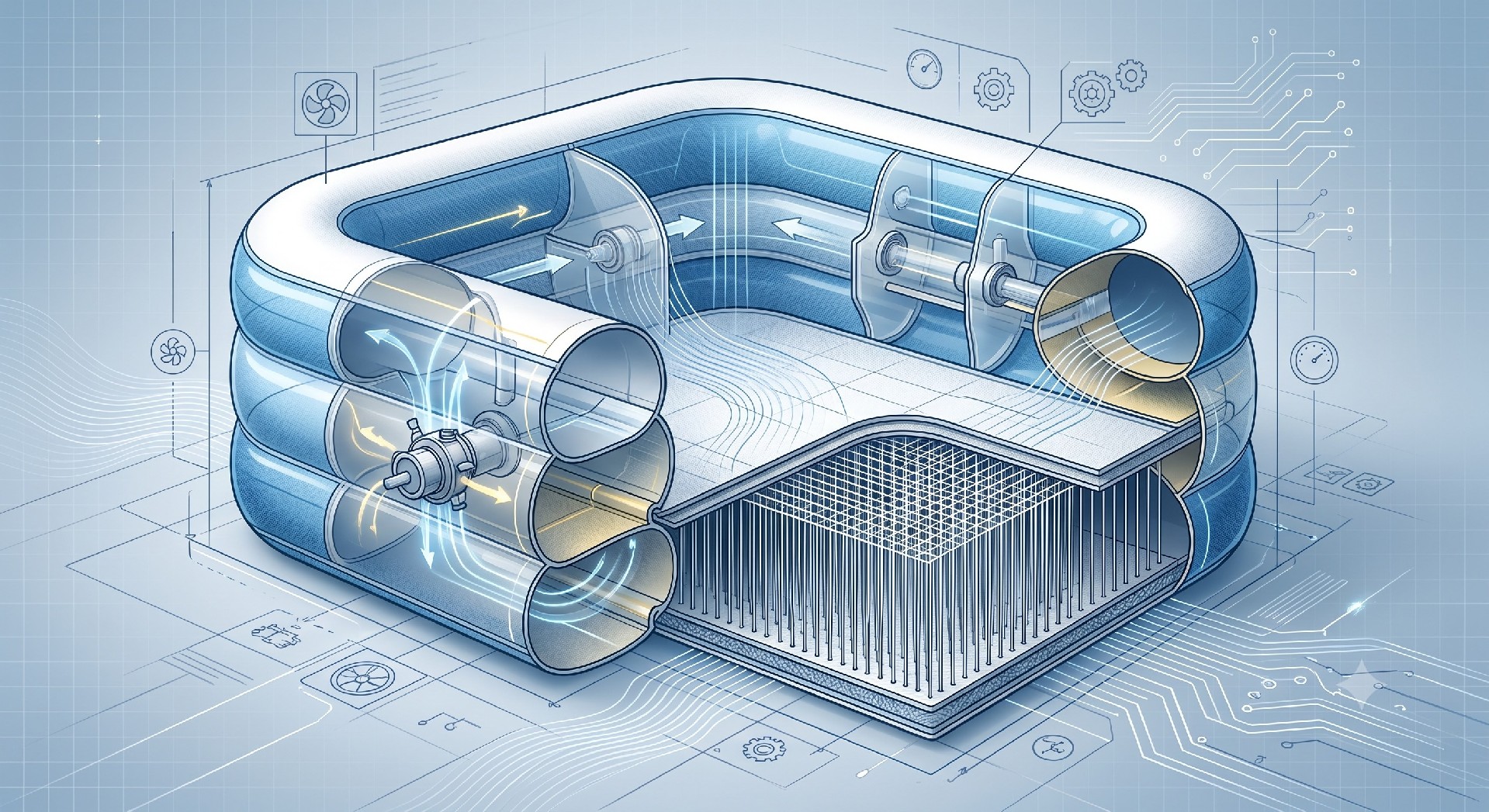
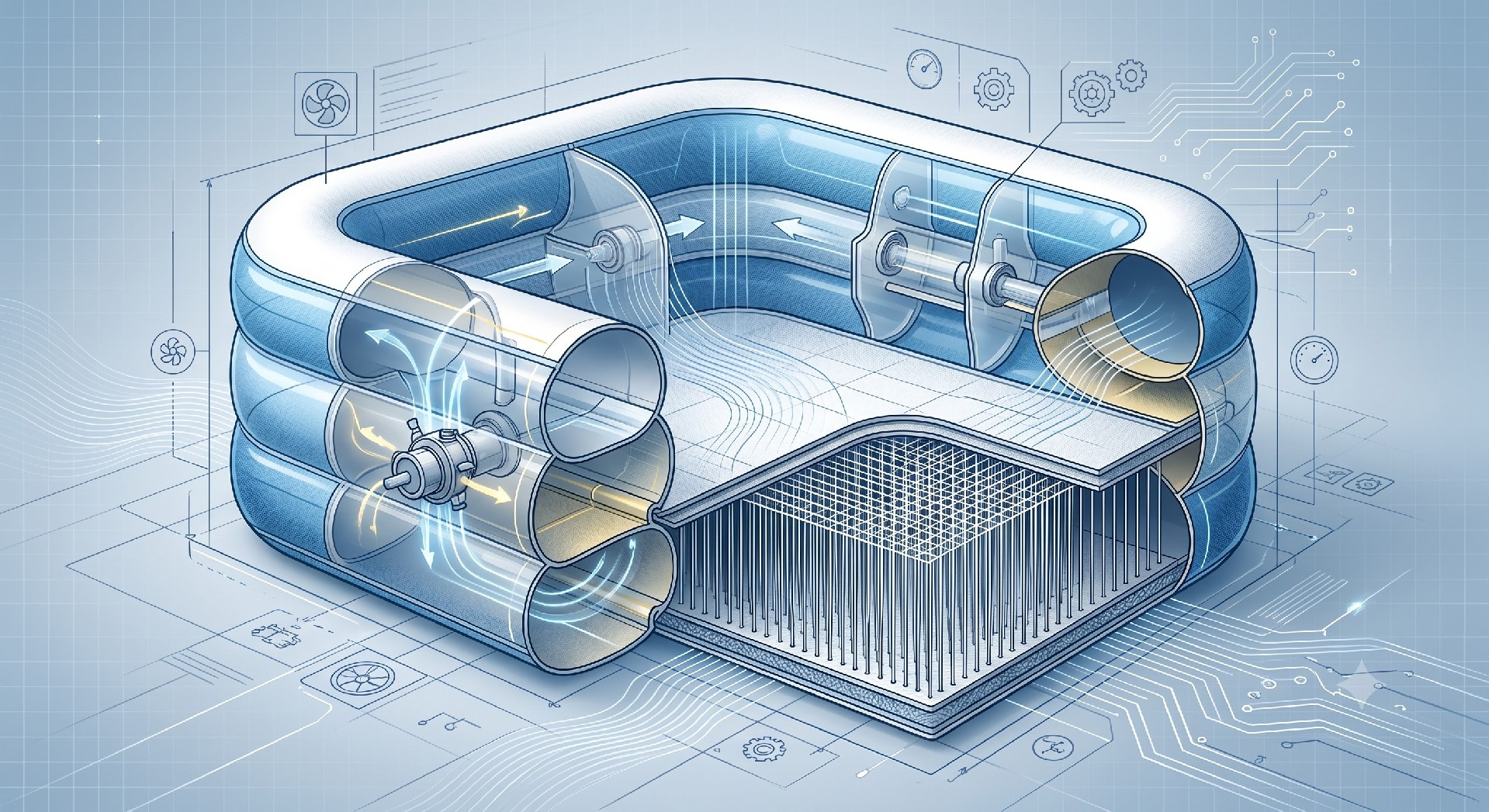
Before initiating the deflation process, a thorough inspection is non-negotiable for commercial assets. The longevity of a family inflatable pool is directly tied to its material integrity. Most commercial-grade pools utilize reinforced PVC (Polyvinyl Chloride) or, in high-end applications, Hypalon .
Critical Defect Identification
Puncture Assessment: Inspect the bottom and side seams for micro-punctures or abrasions. Even a 1mm puncture can compromise the structural integrity under load.
Seam Integrity: Check for delamination or stress cracks in heat-welded seams, which are superior to glued seams. Glued seams degrade faster with UV exposure and chemical interactions .
Material Thickness Verification: Industry standards for family pools range from 0.4mm to 0.9mm thickness . Thicker materials (e.g., 1100D PVC) offer higher puncture resistance but impact foldability and weight.
If damage is detected, utilize a vinyl repair kit immediately. Storage will exacerbate existing weaknesses .
Deflation Protocols & Efficiency Metrics
Efficient deflation is the first step to optimal storage. For B2B operations, time is money. Deflation time is a critical metric to consider during procurement.
Deflation Process
Open all inflation nozzles and pinch open the inner air valves to release trapped air. Do not over-inflate prior to deflation, as this stresses the material .
For large fleets, utilize a reverse air pump or commercial vacuum to expedite deflation. Manual deflation is inefficient for high-throughput operations .
Fold gently along original crease lines to prevent stress on the material .
Data Point: A standard 3-chamber family pool (e.g., 130 x 72 inches) should deflate in under 10 minutes with commercial equipment, compared to 30+ minutes manually .
Technical Specifications & Compliance
Understanding the technical specifications is vital for warranty claims and safety compliance. Always cross-reference your equipment with recognized standards.
| Parameter | Commercial Specification | Industry Benchmark |
|---|---|---|
| Material Thickness | 0.4mm - 0.9mm Reinforced PVC | 0.9mm / 1100D Preferred |
| Max Payload Capacity | 200 kg - 400 kg (440 - 880 lbs) | ISO 6185 Compliance |
| Inflation Time (Standard Pump) | 15 - 20 minutes | 3-4 minutes with Electric Pump |
| Deflation Time (Commercial Pump) | 5 - 10 minutes | N/A |
| Chamber Configuration | 1-3 Independent Air Chambers | Safety Redundancy |
| Compliance | CE, EN71, REACH | ISO 6185 (Inflatable Boats) |
Industry Standards: Ensure your equipment meets CE, EN71 (Toy Safety), and REACH compliance for chemical safety. The ISO 6185 standard covers inflatable boats, but its principles on chamber safety apply to commercial pools. For pools with mechanical parts, ISO 6185 provides a benchmark for multi-chamber safety, ensuring that if one chamber fails, the others provide redundancy, minimizing the risk of a catastrophic collapse .
The Drying Process & Mold Prevention
This is the most crucial step for asset preservation. Moisture is the enemy of inflatable equipment.
Desiccation Strategy
Air Drying: After cleaning, leave the pool inflated in a warm, dry area or partial sun for several hours to allow trapped moisture to evaporate .
Absorption: Use microfiber towels to manually soak up residual water in seams and valve recesses.
Chemical Treatments: For long-term storage, consider using a mild vinegar solution (1:10 ratio) to wipe down surfaces to prevent mildew growth . Avoid harsh chemicals that degrade PVC.
Failure to dry the pool completely leads to mold, mildew, and material degradation, rendering the pool unusable by the next season .
Folding & Storage Techniques
Correct folding reduces stress on the material and minimizes the storage footprint.
Folding Best Practices
Deflate Completely: Ensure all air is expelled to prevent pressure points.
Fold, Don't Roll: Roll folding can create unnecessary stress on the material. Fold along the seams .
Protective Storage: Place the folded pool in a large, breathable storage tote or heavy-duty plastic bin. Avoid vacuum-sealed bags for long-term storage unless specifically designed for PVC, as they can cause material deformation .
Environmental Conditions
Store in a cool, dry place away from direct sunlight and extreme temperature fluctuations. Garages are acceptable if climate-controlled, but attics or sheds with high heat/humidity are contraindicated .
Commercial Application Scenarios
The storage protocol varies by user type, but the core principles of cleaning, drying, and climate-controlled storage remain constant.
Resort & Hospitality
For high-end resorts, storage is about asset protection and guest safety. Implement a digital inventory system to track pool health. Label bins clearly and maintain a log of repairs and cleaning cycles .
Rental Fleets
Fast turnaround is key. Invest in rapid deflation systems. Store accessories (pumps, filters, repair kits) in the same bin to ensure a complete package next season .
Home Use
For the typical family, a large tote in a climate-controlled basement or closet is ideal. Ensure the pool is out of reach of pests and moisture .
Conclusion
Proper end-of-summer storage is a non-negotiable investment in your equipment's lifecycle. By adhering to rigorous cleaning, drying, and inspection protocols, and understanding the material science behind your family inflatable pool, you can extend its lifespan by years, reduce operational costs, and ensure safety compliance. Treat your equipment as a long-term asset, not a disposable seasonal item.
