

Introduction: The Overlooked Commercial Value of Deflation Logistics
For B2B fleet managers, resort operators, and outdoor outfitters, the conversation around inflatable fishing boats often centers on on-water performance. However, the true unsung hero of operational efficiency lies in the reverse process: deflation, packing, and storage. An inflatable fishing boat that is easy to stow, quick to pack, and compact to transport directly reduces turnaround times, lowers storage costs, and extends the lifespan of your assets. This guide provides a comprehensive checklist for mastering the deflation and storage phase, ensuring your commercial fleet remains profitable and ready for deployment .
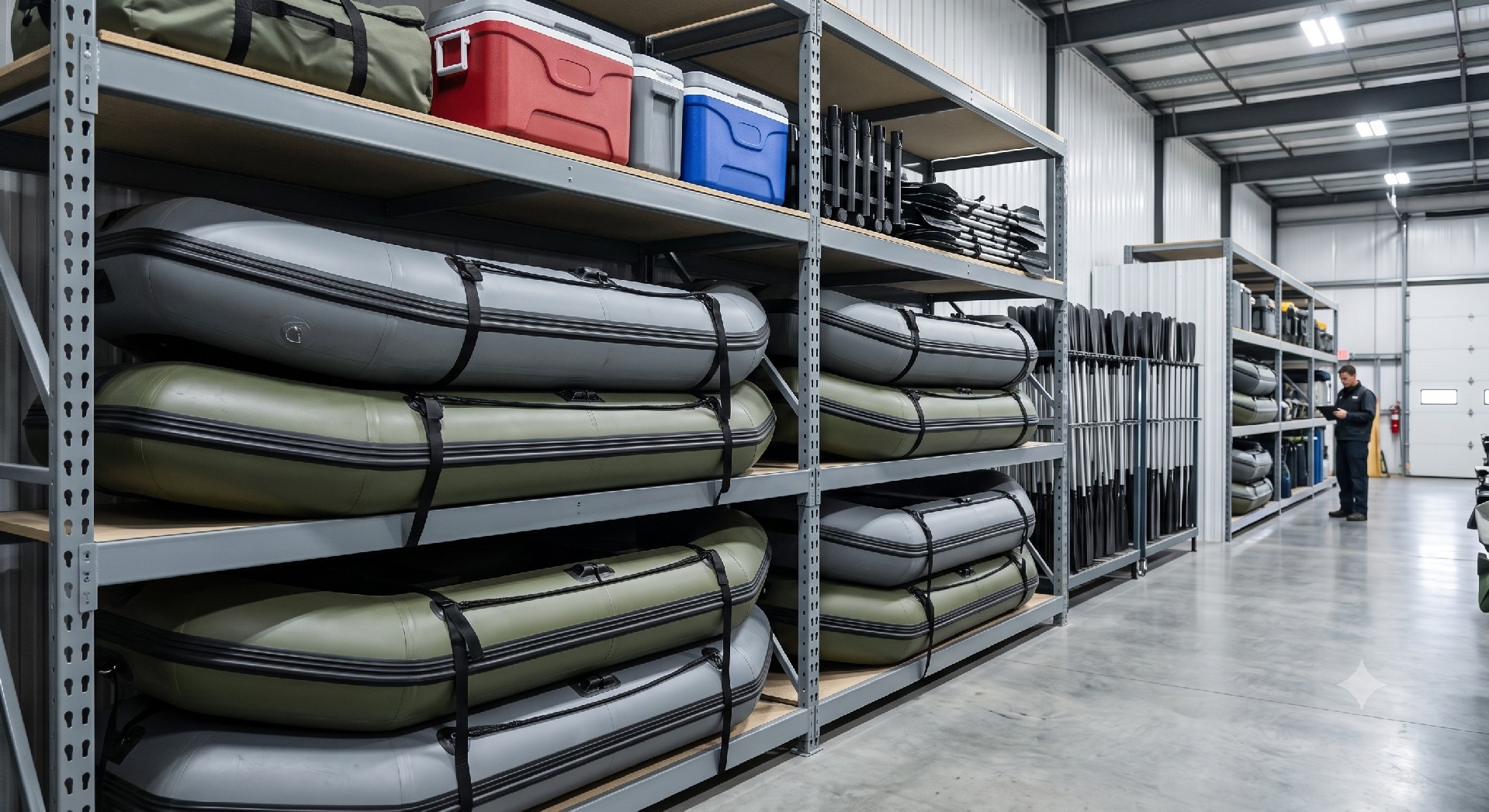
Pre-Deflation Inspection and Cleaning Protocol
Efficient storage begins before a single valve is opened. Proper post-trip care is the first step in a durable lifecycle.
Saltwater and Contaminant Removal
For fleets operating in marine environments, salt, grit, and organic matter are primary catalysts for material degradation. Thoroughly rinse the entire inflatable fishing boat with fresh water and a mild soapy solution. Pay particular attention to seams and valve recesses, where corrosive salt crystals can accumulate and compromise the integrity of the PVC or Hypalon fabric . Ensure the boat is completely dry before proceeding to deflation. Trapped moisture is a leading cause of mildew and mold growth during off-season storage.
Structural Inspection
Conduct a meticulous inspection of the hull, seams, and valves. This is the ideal time to identify punctures, abrasions, or seam separation that may have occurred during the trip. Look for the telltale signs of UV damage, such as fading or cracking, which can weaken the fabric. According to industry standards like ISO 6185, consistent inspection is critical for maintaining safety and performance. Any damage should be documented and repaired using manufacturer-specified patches and adhesives before the boat is stored .
The Deflation Process: Speed and Airflow Management
Deflation is not merely about letting air out; it is a strategic process to ensure the boat folds correctly without stressing the materials.
Valve Operation and Order
Proper valve operation is crucial for efficient deflation. Most commercial-grade inflatable fishing boats feature Boston or high-flow valves. To deflate, the valve insert must be pushed in or turned to the open position . Start by deflating the main side chambers. Allow the air to escape naturally before applying pressure to the tube to expel the remaining air. For boats with multiple chambers, systematically deflate each section. Do not open all valves at once if the boat is heavily loaded; deflate in a sequence that allows the boat to flatten evenly.
Achieving a Compact Roll
The goal of deflation is to achieve the smallest possible footprint for transport and storage. Once the air is expelled, begin folding the inflatable fishing boat from the bow or transom. Avoid sharp creases, particularly in the transom area, which is often reinforced with plywood or aluminum. If the boat has a rigid floor (e.g., aluminum slats), these should be removed and cleaned separately . Rolling the boat is generally preferred over folding to prevent stress on the internal drop-stitch material. Use the provided carry bag or straps to secure the compact roll .
| Parameter | Specification / Best Practice |
|---|---|
| Recommended Storage Temperature | Below 90°F (32°C), avoid freezing |
| Boat Cleanliness | 100% dry, free of salt and grit before storage |
| Valve Operation | Open valve to release air; do not use high-pressure compressors |
| Folding Technique | Roll, do not crease; remove rigid floors |
| Protection | Store off the ground, away from UV and rodents |
Transport Logistics and Fleet Management
The compact nature of a deflated inflatable fishing boat is its primary advantage over hard-shell vessels. However, optimizing transport requires strategic planning.
Payload and Vehicle Integration
For commercial operators, the ability to transport multiple units in a single vehicle is a significant efficiency gain. A single 9-foot Sevylor FT280 weighs approximately 32 lbs (14.5 kg) without accessories, making it highly portable . However, fleet managers must account for the cumulative weight of multiple boats, motors, batteries, and fishing gear. Ensure your transport vehicles are not exceeding their payload capacity. The deflated dimensions of the boat should be measured against the available storage area in your van, trailer, or SUV.
Reducing Total Cost of Ownership (TCO)
Deflation efficiency directly impacts the TCO of your fleet. Faster deflation and packing times mean less labor per rental cycle, allowing for quicker turnaround and higher rental volumes. Furthermore, the ability to store boats in a standard warehouse or garage eliminates the need for expensive marina slips or dedicated boat storage facilities. This logistical flexibility is a key driver of profitability for rental operations .
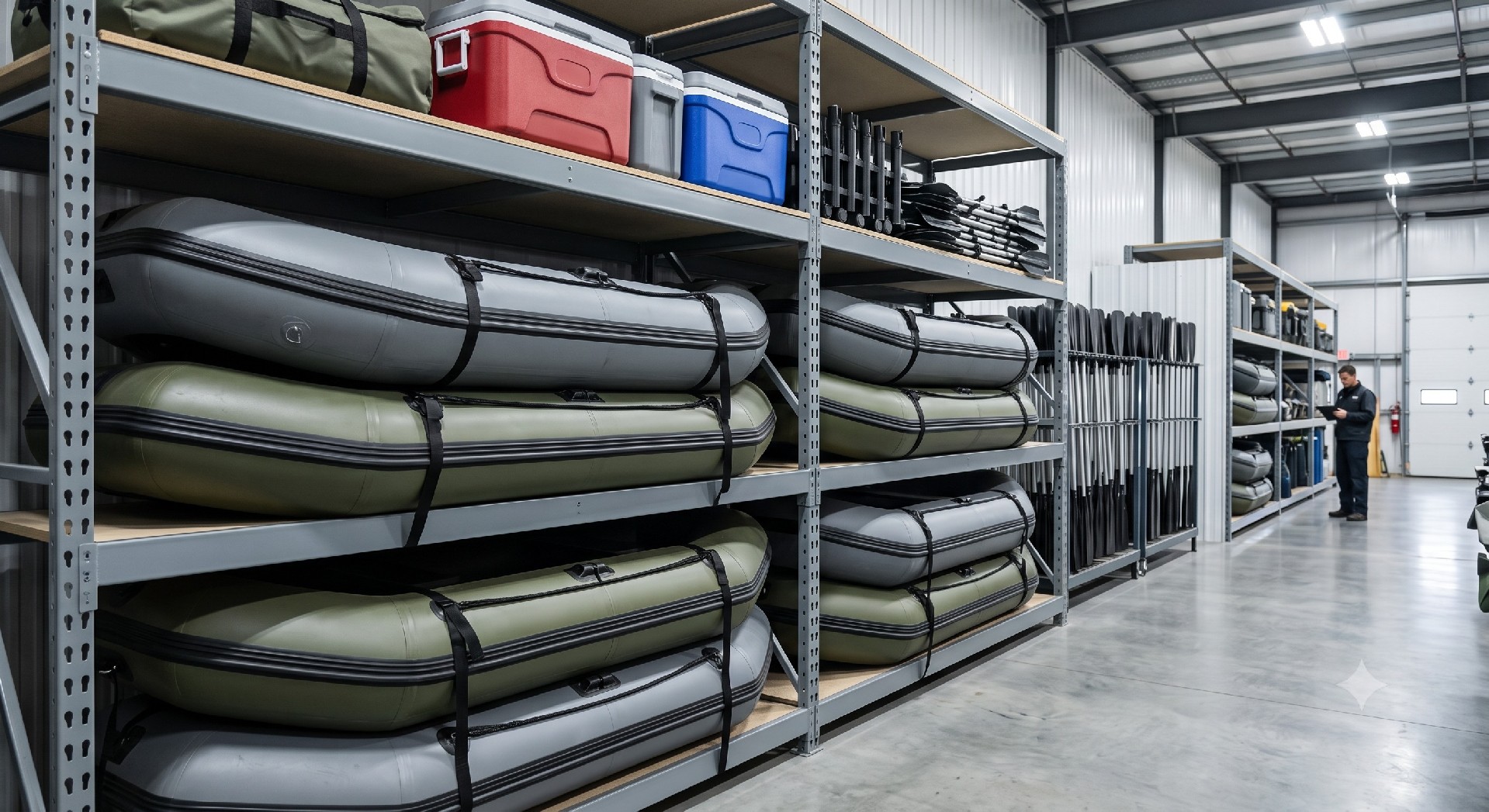
Off-Season Storage and Preservation
The way an inflatable fishing boat is stored during the off-season determines its commercial lifespan.
Environmental Controls
Proper storage conditions are non-negotiable for protecting your PVC or Hypalon assets. Store the deflated boats in a cool, dry place away from direct sunlight and extreme temperature variations. UV radiation is the single greatest enemy of inflatable materials; prolonged exposure can break down the polymers, leading to cracking and air loss . Avoid storing the boat directly on concrete floors; place it on a pallet or shelf to prevent moisture wicking and protect against rodents and pests .
Equipment Separation and Maintenance
During storage, it is advisable to separate the boat from its accessories. Motors, batteries, and electronics should be stored in a climate-controlled environment to prevent corrosion and battery degradation. Wooden bench seats, such as those standard on the Sevylor FT280, should be inspected for splinters or rot and stored separately to prevent damage to the fabric .
Conclusion: The Commercial Edge of Proper Deflation
Mastering the art of deflation and storage is not merely a maintenance task; it is a strategic commercial advantage. By implementing a rigorous checklist for cleaning, deflating, and storing your inflatable fishing boats, you significantly extend their operational lifespan and protect your investment. For B2B operators, the efficiency gained through rapid packing, reduced storage costs, and minimized downtime directly translates to a healthier bottom line. Treat deflation with the same seriousness as inflation, and your fleet will deliver superior ROI for years to come .
