

The Commercial Imperative of Portable Camping Gear
In the B2B outdoor equipment sector, the concept of packing light transcends consumer convenience; it is a fundamental metric of operational efficiency, logistics optimization, and customer satisfaction. For wholesalers, rental fleets, and hospitality providers, the ability to offer gear that compresses into a single, manageable handbag represents a significant value proposition. This guide provides a technical deep dive into the materials, engineering, and commercial ROI associated with high-quality, packable camping equipment.
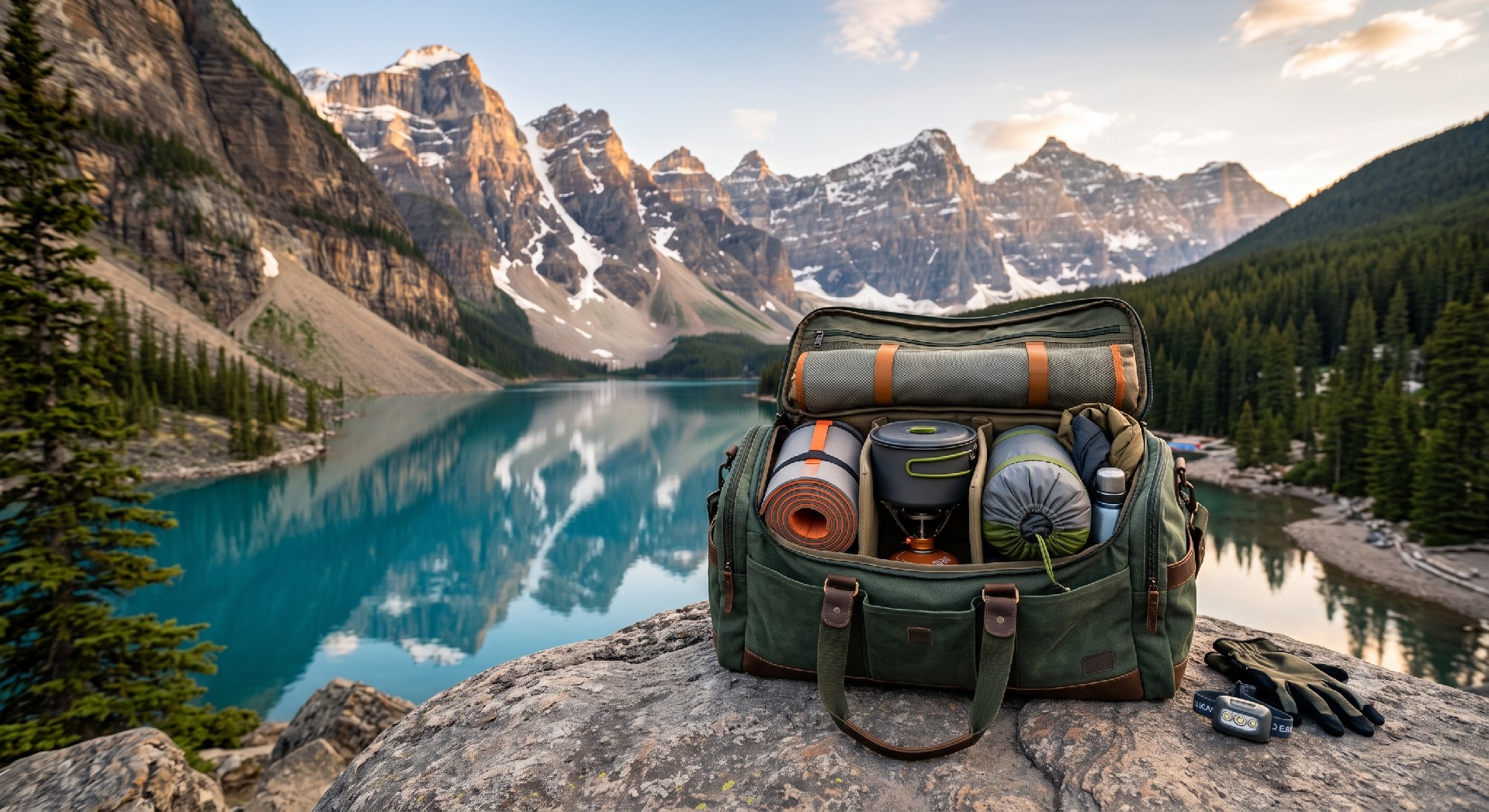
As outdoor experiences evolve, end-users demand gear that is not only durable and safe but also highly portable. The modern camper seeks to minimize bulk without sacrificing performance. This demand drives the B2B market towards innovative solutions in fabric technology, seam engineering, and compact design. A gear box or bag that is compartmentalized, like the Hele Box mentioned in industry discussions, allows for easy access and organization . However, the ultimate goal for true portability is a system that integrates seamlessly into a single, compact carry solution.
Material Science: The Foundation of Portable Durability
The core challenge of packing light is reconciling portability with durability. Traditional hard-shell alternatives offer robust protection but are inherently bulky and heavy. The modern solution lies in advanced textile engineering. For B2B sourcing, the primary materials of interest are high-denier nylons and reinforced PVC, each selected for specific performance attributes.
High-Density Nylon and Ripstop Fabrics
For soft-sided gear bags and packable shelters, materials like 900D nylon are industry benchmarks. A 900D (denier) rating indicates a high fiber density, contributing to exceptional tear and abrasion resistance while remaining relatively lightweight. The incorporation of a ripstop weave, where a cross-hatch of thicker threads is integrated into the fabric, prevents small tears from propagating, drastically extending the product's commercial lifespan. For instance, the Osprey Ultralight Collapsible Stuff Pack uses thin ripstop nylon to achieve a balance between ultralight portability (packing into its own pocket) and enough durability for day trips . For more robust applications, a 1100D reinforced PVC provides a higher level of puncture resistance and structural integrity.
Material Specifications and Compliance
When evaluating materials for commercial use, several key metrics and standards are paramount. For inflatable equipment and technical fabrics, B2B buyers must demand documentation for:
Material Thickness: Typically measured in millimeters (e.g., 0.9mm) for PVC or in denier (e.g., 1100D) for woven fabrics.
Tensile and Tear Strength: Data on force required to stretch or tear the material, ensuring it meets the demands of rugged use.
UV Resistance: Critical for gear exposed to prolonged sunlight. Fabrics should be treated with UV inhibitors to prevent degradation and fading.
Regulatory Compliance: All materials must adhere to international safety standards. Look for certifications like CE (European Conformity), EN71 (European safety standard for toys, applicable to some recreational gear), and REACH (Registration, Evaluation, Authorisation, and Restriction of Chemicals) for material safety. ISO 6185 is a key standard for the construction and performance of inflatable boats and related equipment.
Engineering for Compression and Air Retention
Beyond the fabric itself, the engineering of seams, closures, and structural elements determines the overall performance of packable gear. For inflatable products—which are the pinnacle of packing light—drop-stitch technology and high-pressure valves are central to the design.
Drop-Stitch Technology and Pressure Dynamics
Drop-stitch construction involves thousands of threads connecting the top and bottom layers of a fabric. When inflated, these threads create a rigid, flat surface capable of supporting significant weight. This is the technology behind high-performance stand-up paddleboards and air floors in tents. For B2B buyers, understanding the drop-stitch PSI (Pounds per Square Inch) is crucial. Higher PSI ratings equate to greater rigidity and weight-bearing capacity. For example, a commercial-grade drop-stitch floor might operate safely at 10-15 PSI, allowing it to support over 400 kg of payload. The precision of the valve system is equally important, ensuring rapid inflation and deflation while maintaining an airtight seal. The North Face's innovative Universal One Bag sleeping bag moves away from traditional zippers in favor of magnetic Fidlock closures, representing a new frontier in simplifying user interaction and improving the reliability of closures .
| Key Parameter | Technical Specification | Commercial Importance |
|---|---|---|
| Material Thickness | 0.9mm / 1100D Reinforced PVC or 900D Nylon | Determines tear resistance, puncture protection, and long-term durability for rental fleets. |
| Drop-Stitch PSI Rating | 10-15 PSI (operational) | Directly correlates to rigidity, payload capacity, and user confidence in inflatable products. |
| Maximum Payload | 400 kg / 880 lbs | A critical metric for gear used to support weight, such as air mats, tents, and SUP boards. |
| Compliance Standards | CE, EN71, ISO 6185, REACH | Essential for legal distribution, ensuring product safety and meeting international market requirements. |
Commercial Application and ROI Analysis
For businesses, the investment in high-quality, packable camping gear is justified by a clear return on investment (ROI). This ROI is realized through several key channels.
Logistics and Storage Optimization
Gear that packs small reduces the required storage footprint in warehouses and retail spaces. For rental companies, it maximizes the number of units that can be transported in a single vehicle, reducing fleet operating costs. The use of compression packing cubes and strategic packing, as advised by gear experts, is a consumer-facing manifestation of this same principle . For a B2B context, providing gear that arrives in a compact state reduces shipping volume and weight, translating to significant cost savings across the supply chain.
Enhanced Customer Experience and Fleet Lifespan
Equipment that is easy to transport and use leads to higher customer satisfaction and repeat business. For glamping resorts, offering premium, portable gear like the North Face One Bag or One Bag Duo enhances the guest experience with features like dual-layer temperature regulation (combining synthetic and down insulation) . For rental fleets, durable, packable gear reduces replacement frequency. By investing in products with reinforced seams, high-quality valves, and robust materials, operators can minimize downtime and maintenance costs, maximizing the total cost of ownership (TCO).
Target Market Alignment
The demand for portable equipment is strong across several lucrative B2B segments:
Adventure Tourism Operators: Require gear that is durable, lightweight, and easy to transport for guided expeditions.
Glamping and Eco-Resorts: Seek premium, aesthetically pleasing equipment that offers high comfort and easy setup for guests.
Corporate Event Planners: Need reliable, portable gear for team-building and outdoor corporate retreats.
Military and Emergency Services: Demand rugged, fast-deployment solutions for rescue and field operations.
[IMAGE_2]
Conclusion: The Strategic Advantage of Portability
In the competitive landscape of the B2B outdoor equipment market, the ability to offer gear that masters the art of packing light is a definitive strategic advantage. It is not merely a feature but a fundamental design and sourcing principle that impacts logistics, customer satisfaction, and the bottom line. By focusing on advanced materials like high-denier nylon and drop-stitch PVC, and by prioritizing engineering excellence in seams and closures, businesses can deliver products that meet the rigorous demands of modern commercial use.
As the industry moves towards more sustainable and efficient solutions, the emphasis on packing light will only intensify. B2B buyers who prioritize these technical specifications and understand the commercial ROI will be best positioned to lead the market. The ultimate value lies in providing robust, safe, and compliant equipment that enables unforgettable outdoor experiences, all while optimizing operational efficiency and ensuring a healthier return on investment.
