

Introduction: The Critical Role of Moisture Management in Backcountry Gear
For B2B buyers, original equipment manufacturers (OEMs), and outdoor equipment wholesalers, the backcountry camping sector represents a high-stakes market where product performance directly dictates brand reputation and customer retention. Among the essential gear, the humble sleeping pad has evolved from a simple barrier into a sophisticated piece of technical equipment. The primary function—providing a dry, insulated sleep surface—is achieved through the complex science of moisture-proofing. This guide provides a comprehensive technical analysis of moisture-proof mats for backcountry camping, focusing on material science, construction standards, and the commercial ROI that defines a successful product line.
In the B2B landscape, the choice of materials and manufacturing processes is not merely an engineering decision; it is a financial one. Understanding the nuances of fabric denier, pressure ratings, and regulatory compliance is essential for sourcing products that meet the rigorous demands of end-users while maximizing profitability for retailers and rental fleets. We will dissect the technical specifications that separate entry-level products from premium, high-durability solutions.
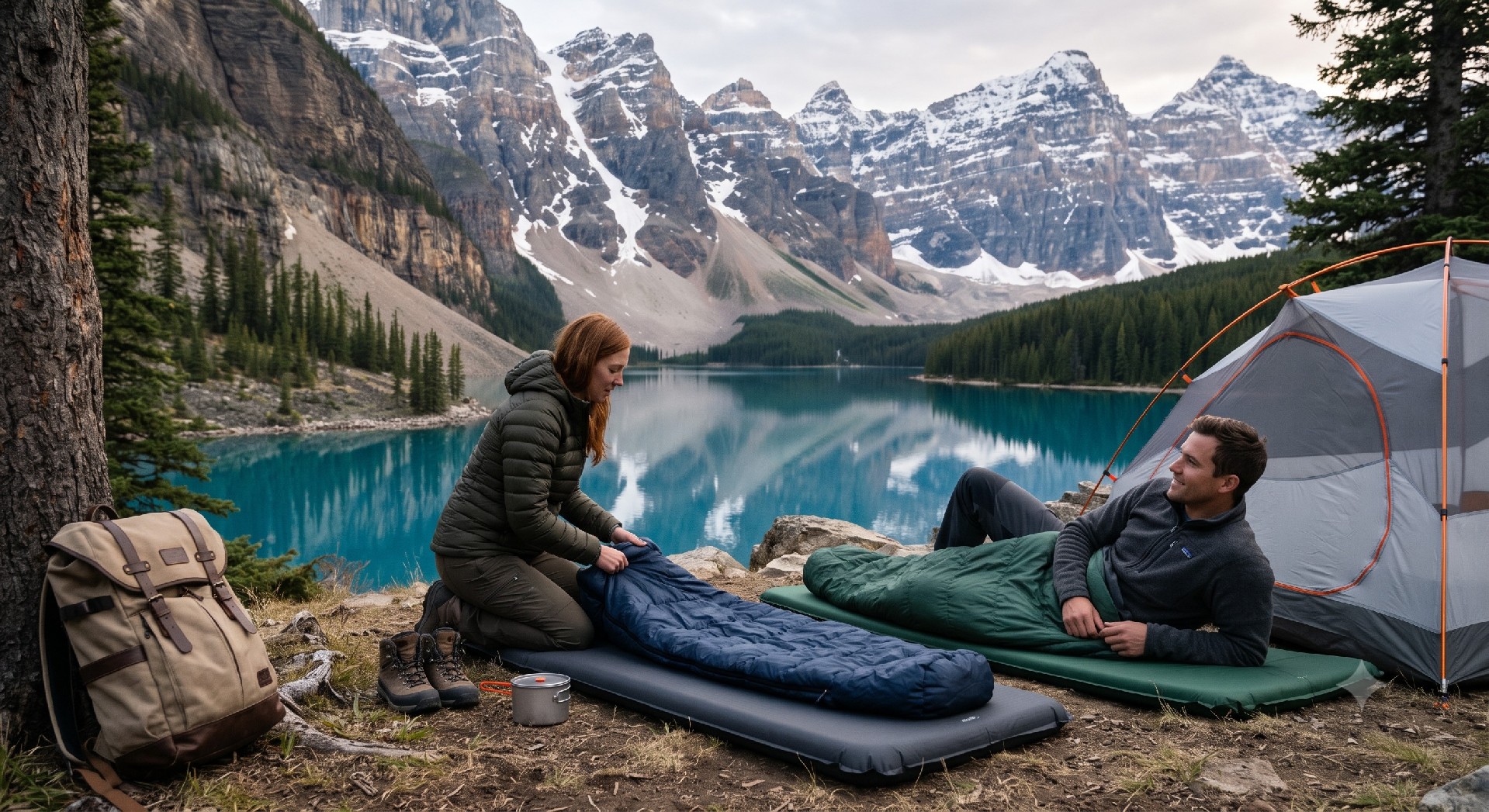
Material Science: The Foundation of Moisture Proofing
The efficacy of a moisture-proof mat is rooted in its material composition. Historically, mats utilized basic waterproof coatings; however, modern backcountry demands require advanced composites that balance weight, packability, and environmental resistance.
Fabric Denier and Composite Structures
The durability of a mat is often quantified by its denier count. High-denier fabrics, such as 1100D reinforced PVC or recycled 40D nylon, offer superior resistance to abrasion and punctures from sharp rocks or debris . For B2B sourcing, the choice of fabric dictates the product's lifespan. For example, premium products utilize ripstop polyester shells, which prevent small tears from expanding, significantly extending the product's usable life in rugged commercial rental environments .
Furthermore, the lamination process is critical. Materials like TPU film laminates are increasingly favored over traditional PVC due to their superior hydrolysis resistance and environmental compliance (e.g., REACH, Oeko-Tex Standard 100) . These materials prevent the degradation caused by moisture and body oils, ensuring the mat remains waterproof and structurally sound for thousands of cycles.
Moisture-Regulating Top Layers
Modern high-end mats are moving beyond simple waterproofing to active moisture management. The integration of top layers featuring materials such as organic cotton tricot and certified wool insulation offers superior moisture regulation by wicking perspiration away from the sleeper, which is a critical feature for B2B buyers targeting premium or glamping markets . These materials maintain comfort even in damp conditions, reducing the rate of core heat loss. Mats incorporating these advanced composites often command higher wholesale prices but justify this through increased customer satisfaction and rental rates.
Engineering and Construction: Seams, Valves, and Internal Structure
The performance of a moisture-proof mat is defined not only by what it is made of but how it is built. In B2B procurement, understanding these engineering details is essential for assessing product durability and failure rates.
Drop-Stitch Technology and PSI Limits
Drop-stitch construction is a hallmark of high-quality inflatable mats. This technology involves thousands of individual threads connecting the top and bottom fabric layers, creating a rigid, stable structure when inflated to high pressures. Drop-stitch PSI (Pounds per Square Inch) is a key metric; higher PSI limits (e.g., 5-10 PSI) allow the mat to handle greater payload capacities while maintaining a firm, flat sleeping surface that prevents the "hammocking" effect common in lower-quality air pads . Ensuring the welding process used to bond these layers is robust is non-negotiable for B2B suppliers.
Seam Integrity: Heat-Welding vs. Gluing
The method of seam construction is the primary determinant of a mat's long-term airtightness. Heat-welded seams are the industry standard for commercial-grade mats, as they create a molecular bond between the fabric layers that is significantly stronger and more resistant to delamination than glued seams . In high-moisture environments, glued seams are prone to failure, leading to returns and warranty claims. For B2B buyers, specifying heat-welded construction in the manufacturing process (often associated with CE/ISO standards) is a critical step in ensuring product reliability and minimizing the Total Cost of Ownership (TCO) for fleet operators.
Valve Lifespans and Inflation Efficiency
Valve design directly impacts user experience and operational efficiency. Flat valves with rapid inflation/deflation capabilities are becoming standard . For a commercial rental fleet, reducing inflation/deflation time from several minutes to under 60 seconds accelerates turnaround times, allowing for higher throughput and increased revenue per asset. High-pressure valves must be engineered to withstand thousands of inflation cycles without leaking, a factor that B2B sourcing managers must evaluate through rigorous testing.
| Key Parameter | Technical Specification |
|---|---|
| Material Composition | 1100D Reinforced PVC / 20D-40D Nylon Ripstop / TPU Laminates |
| Drop-Stitch PSI | 5-10 PSI (High-Density Core for Rigidity) |
| Maximum Payload | Varies; e.g., 400 kg / 880 lbs for Commercial-Grade Models |
| R-Value (Insulation) | 2.0 - 7.2+ ASTM Standard |
| Valve System | High-Flow Flat Valves (Rapid Inflation/Deflation) |
| Seam Technology | Heat-Welded vs. Glued |
| Regulatory Standards | CE, EN71, ISO 6185, REACH, Oeko-Tex, bluesign® |
| Thickness | 3.5cm - 10cm |
Regulatory Standards and Commercial Compliance
For B2B sourcing in regulated markets, compliance is a prerequisite. Products must often adhere to stringent international standards to be sold legally and to qualify for insurance coverage, particularly in commercial rental or institutional (e.g., military) applications.
CE, EN71, and ISO 6185 Frameworks
Buyers should demand proof of compliance with relevant frameworks. CE marking indicates conformity with health, safety, and environmental protection standards for products sold within the European Economic Area. ISO 6185 specifies safety and performance requirements for inflatable boats and related equipment, a standard that increasingly informs the design of larger, high-capacity sleeping platforms . Additionally, ensuring materials comply with REACH regulations (Registration, Evaluation, Authorisation and Restriction of Chemicals) and are certified under standards like Oeko-Tex Standard 100 or bluesign® guarantees the absence of harmful substances, making the product suitable for global distribution and minimizing liability .
Commercial ROI: Durability, Lifespan, and Profit Margins
From a B2B perspective, the selection of a moisture-proof mat is an investment. The primary driver of ROI is not the wholesale unit cost but the quantified commercial lifespan of the product.
Total Cost of Ownership (TCO) in Rental Fleets
A mat priced slightly higher but constructed with hydrolysis-resistant TPU, high-denier ripstop fabrics, and heat-welded seams will inevitably outlast a cheaper alternative. For high-throughput rental operations, the replacement cycle of a mat directly impacts profitability. A mat that lasts 500 cycles versus one that lasts 200 cycles offers a 150% increase in asset life, dramatically reducing capital expenditure on replacements and maximizing margin per rental day .
Target Market Differentiation
The choice of mat specs should align with the target market. For mass-market retailers, a basic closed-cell foam mat (e.g., XPE or EVA) may be sufficient . However, for high-end glamping resorts, outfitters, or serious recreational rentals, investing in thick (e.g., 10cm) self-inflating or air mats with high R-values (e.g., 7.0+) and moisture-wicking tops provides a superior sleep experience that commands premium pricing . While the initial outlay is higher, the ability to market these as premium, durable products significantly boosts margins.
Conclusion: Strategic Sourcing for Long-Term Success
Understanding the science behind moisture-proof mats for backcountry camping is essential for making informed B2B sourcing decisions. The industry is shifting toward high-performance materials and robust construction techniques such as drop-stitch cores, heat-welded seams, and TPU laminates. These elements not only define the product's functionality and user experience but also govern its lifespan and financial return.
For wholesalers, OEMs, and procurement managers, success lies in prioritizing technical specifications over simple cost-cutting. By selecting mats with high max payload capacities, rigorous CE/ISO compliance, and effective moisture-regulating properties, businesses can ensure high customer satisfaction, low return rates, and superior long-term profitability.
