

Introduction: The Commercial Sanitation Imperative
For B2B operators—from glamping resorts to high-volume water sport rental fleets—the cleanliness of an inflatable swimming pool is not merely an aesthetic issue; it is a critical component of risk management, asset longevity, and customer satisfaction. Unlike permanent concrete structures, inflatable pools utilize specific polymer substrates that require a nuanced cleaning protocol to prevent material degradation while ensuring rigorous sanitation. This guide serves as a comprehensive technical manual for sourcing managers and facility operators, detailing the intersection of material science, compliance standards, and operational efficiency in the context of inflatable pool maintenance.
Industry data suggests that commercial-grade inflatable pools, constructed with 0.9mm to 1.2mm reinforced PVC or Hypalon, have a functional lifespan of 3 to 5 years under heavy rental conditions. However, improper cleaning techniques—particularly the use of incompatible solvents—can reduce this lifespan by up to 40%. We will explore how to maximize your Total Cost of Ownership (TCO) by adhering to a scientifically backed maintenance regimen.
Material Science and Chemical Compatibility: The Foundation of Cleaning
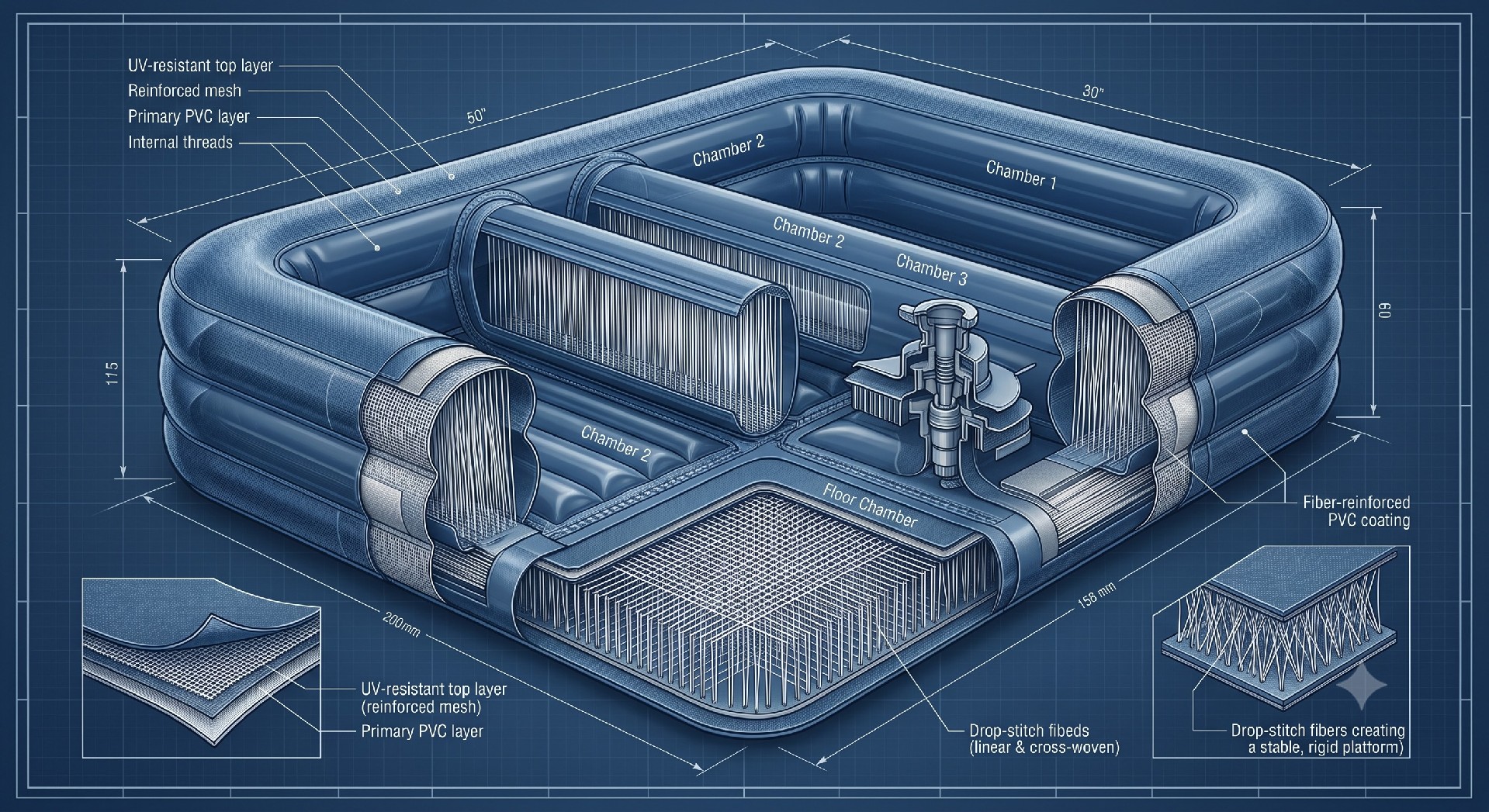
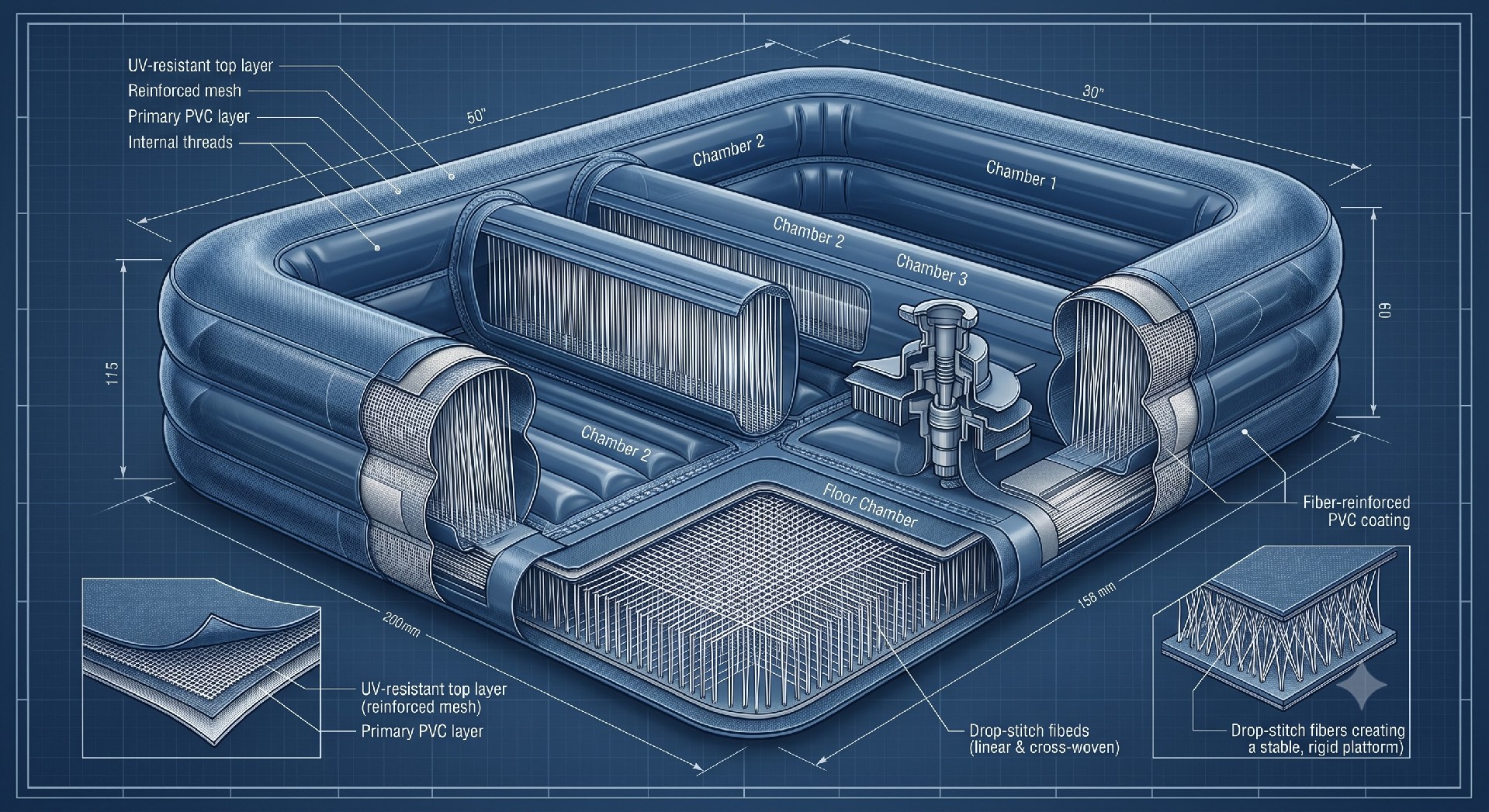
The efficacy of any cleaning protocol depends on a deep understanding of the substrate. Inflatables are primarily manufactured from Phthalate-free PVC or Hypalon (CSM) to meet REACH and EN71 safety standards for phthalate content. While these materials are highly durable, featuring denier counts often exceeding 1000D for abrasion resistance, they are susceptible to chemical attack from petroleum-based solvents or harsh oxidizers.
Compatibility Protocols
DO USE: Mild dish soap, white vinegar (diluted 1:3 with water), or enzyme-based cleaners designed to break down organic oils (sunscreen, body oils) without compromising the polymer chain.
AVOID: Abrasive brushes, bleach solutions exceeding 1 tablespoon per gallon, and strong acids. While bleach is effective for disinfection, it can degrade the Drop-stitch PSI integrity of high-pressure floors (often inflated to 10-15 PSI) if not rinsed thoroughly.
From a design perspective, the cleaning process must account for the RF welded seams versus glued seams. Welded seams, standard in commercial units, offer superior resistance to chemical penetration compared to glued alternatives.
Operational Cleaning Protocols: Daily, Weekly, and Seasonal
Search intent analysis reveals a demand for structured, tiered maintenance schedules. For B2B fleets, standardization is key to maximizing Inflation/Deflation time efficiency and reducing downtime.
Daily Maintenance: The No-Filter Method
For smaller recreational units or splash pads without circulation pumps, the CDC mandates that water should be emptied at least daily. Stagnant water serves as a breeding ground for Pseudomonas aeruginosa and other pathogens. Daily steps include:
Debris Removal: Use a skimmer net to remove organic material (leaves, insects), which consumes free chlorine and accelerates algae growth.
Surface Rinse: Rinse the interior walls with fresh water to remove biofilm precursors.
Air Drying: Allow the pool to air dry completely before re-inflation to prevent mildew formation in the folds of the PVC/Hypalon thickness layers.
Weekly Deep-Clean: Sanitization Protocol
In commercial settings where water is retained for 1-2 weeks via filter systems, a weekly deep-clean is necessary to maintain water clarity and pH balance (ideal range 7.2-7.8).
Drain and Scrub: Drain the pool and use a soft-bristled brush with a mild cleaning solution to manually remove algae and calcium deposits on the floor and seams.
Disinfection: Apply a diluted bleach solution (½ cup of 5.25%–8.25% household bleach per 1 gallon of water) to all surfaces, ensuring a contact time of at least 6 minutes to inactivate pathogens.
Thorough Rinse: Rinse extensively with fresh water to eliminate residue, which could otherwise degrade the UV protection layer of the material.
End-of-Season Storage (Winterization)
For operators utilizing Maximum payload waterslides or large aqua parks, off-season storage is where the majority of material fatigue occurs. Steps include:
Vacuum Dehydration: Use a wet/dry vacuum to extract water from seams and drop-stitch cores to prevent freezing and cracking.
Complete Sun-Drying: Ensure the unit is entirely dry before deflation. Lay it flat to ensure adequate airflow on all sides.
Powder Application: Apply pool-grade talcum powder or unscented baby powder to prevent PVC adhesion during long-term folding.
Inspection: Repair any punctures (Max payload areas are susceptible to stress tears) using the appropriate PVC patch kit before storage.
| Cleaning Phase | Agent Concentration | Dwell Time | Material Compatibility |
|---|---|---|---|
| Daily Rinse | Fresh Water / Mild Soap | N/A | High (PVC/Hypalon) |
| Deep Cleaning | 1 tbsp Bleach per Gallon H2O | 6 Minutes (Min) | Requires Thorough Rinse |
| Algae Control | Vinegar (1:3 with Water) | 5 Minutes | High (Natural Degreaser) |
| End-of-Season | Enzyme Cleaner / Talc | Air Dry 24hrs | Prevents Mold/Sticking |
Contamination Event Response: Fecal and Vomit Protocols
One of the most critical aspects of B2B operation is managing high-risk contamination events. The CDC provides specific guidelines for inflatable pools when a child defecates or vomits in the water. This is particularly relevant for operators in the hospitality sector (Glamping) or water parks where children are present.
Immediate Evacuation: Remove all users and don disposable gloves.
Physical Removal: Remove as much solid matter as possible and dispose of it safely.
Drain and Disinfect: Drain the water completely. Clean the surface with soapy water, rinse, and allow to air dry.
Bleach Application: Apply the standard bleach solution (½ cup bleach per gallon of water) to all surfaces and allow to sit for the manufacturer's recommended dwell time (minimum 6 minutes).
Sunlight Exposure: For diarrhea incidents, leave the pool in direct sunlight for a minimum of 4 hours after drying, as UV radiation aids in pathogen inactivation.
Compliance and Technical Specifications
Adherence to established standards is non-negotiable in the B2B space. When sourcing cleaning chemicals or evaluating the safety of a unit post-cleaning, reference the following:
ASTM F2666-16(2024): This Standard Specification for Aboveground Portable Pools mandates that manufacturers provide comprehensive cleaning and maintenance instructions. It ensures that pools are resistant to horizontal and vertical forces, preventing collapse during cleaning or use.
ISO 6185: Pertains to the construction and performance of inflatable boats; relevant for heavy-duty water sport equipment where high-pressure valves (often requiring maintenance cycles every 2-3 years) are present.
CE & EN71: Ensure cleaning agents do not react with the material to release toxic compounds, preserving compliance with Toy Safety Directives.
Conclusion: Maximizing ROI Through Scientific Maintenance
The economic viability of a commercial inflatable pool fleet is intrinsically linked to the quality of its maintenance program. By adopting a tiered cleaning strategy—daily rinses, weekly chemical sanitation, and rigorous end-of-season storage—operators can extend the Quantified Commercial Lifespan of their assets beyond the typical 3-5 year window.
Proper cleaning reduces the frequency of repairs, maintains the structural integrity of Heat-welded seams, and ensures compliance with health regulations, thereby mitigating liability. For sourcing managers, investing in high-quality cleaning equipment and training is not an overhead cost; it is a strategic imperative that protects your fleet's value and your brand's reputation in the competitive outdoor leisure market.
