

The Bottom Line: Why Commercial-Grade Equipment is the Keystone of Profitable Pool Party Rentals
For B2B operators in the outdoor recreation and hospitality sectors, the allure of the family weekend pool party is a significant revenue driver. However, the difference between a profitable season and a logistical nightmare often comes down to the equipment selected. While consumer-grade inflatables may seem like a cost-effective entry point, they fail under the relentless demands of high-throughput rentals. This analysis dissects the total cost of ownership (TCO) for commercial-grade inflatable equipment, demonstrating how superior materials, engineering, and safety compliance translate directly to a healthier ROI and a sterling reputation for reliability .
CapEx vs. OpEx: Justifying the Premium for Heavy-Duty Materials
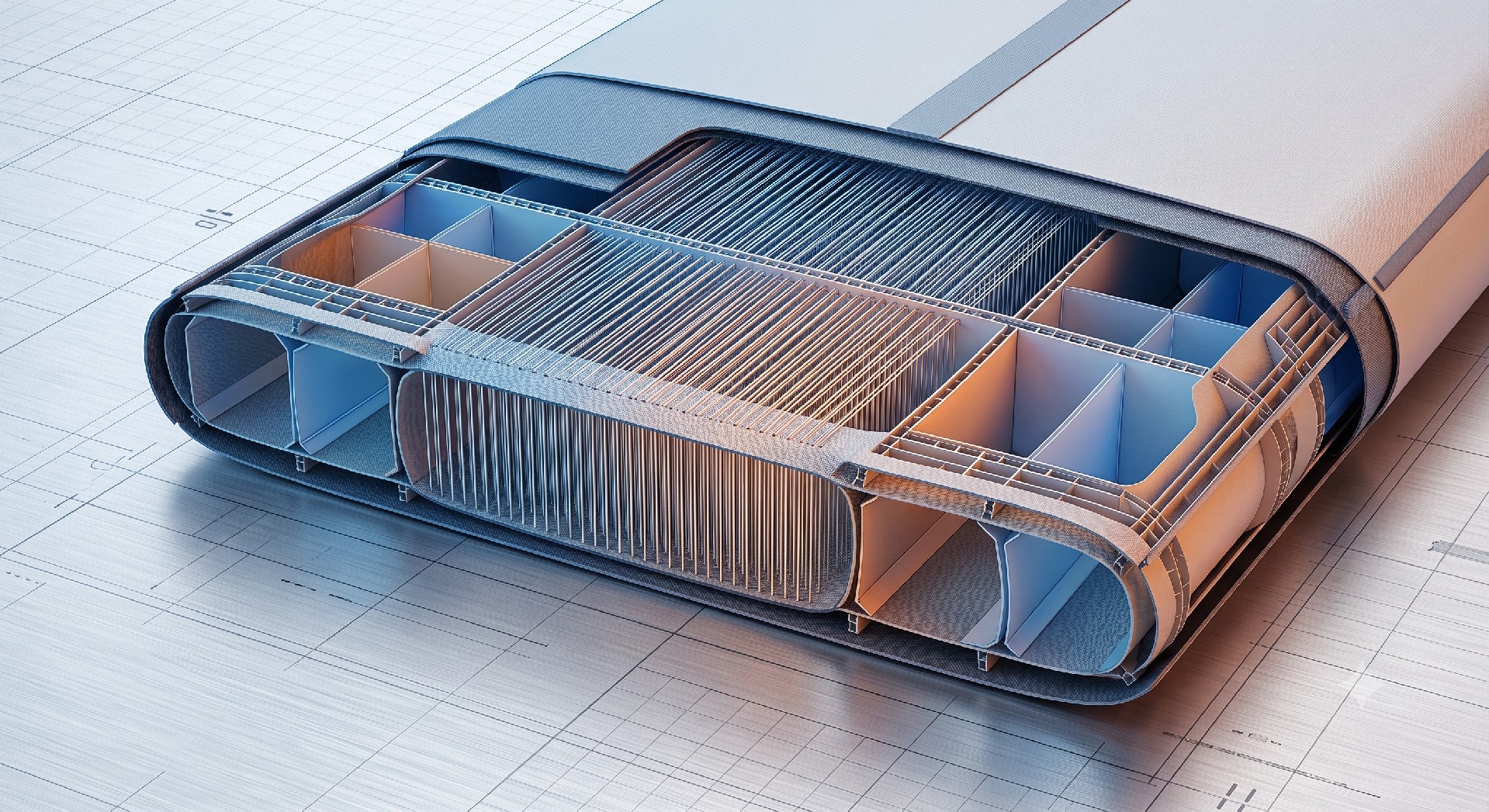
The initial capital expenditure (CapEx) for commercial gear is undeniably higher. However, this is where operational expenditure (OpEx) narrative begins. For instance, a residential-grade float might use 0.5mm PVC, while a commercial unit utilizes 0.9mm to 1.2mm reinforced PVC or even Hypalon for extreme durability. This is not merely about thickness; it's about denier count and abrasion resistance. A 1100D polyester mesh embedded in PVC provides a tear strength that far exceeds standard materials, significantly reducing the frequency of repairs and replacements.
Furthermore, the manufacturing process is critical. Our commercial-grade inflatable pool floats and structures employ heat-welded seams rather than glued ones. High-frequency welding creates a molecular bond that is stronger than the material itself, impervious to the degrading effects of chlorine, saltwater, and UV radiation . This engineering choice dramatically extends the product lifecycle, directly lowering the cost per use—a key metric in any rental fleet TCO model.
Turnaround Efficiency: The Economics of Rapid Deployment
In a weekend rental scenario, time is money. The ability to quickly inflate, deploy, and later deflate and store equipment dictates how many rentals a single unit can handle. High-volume commercial drop-stitch technology is pivotal here. A high-quality, multi-chamber inflatable water slide or pool party platform equipped with high-pressure valves can achieve operational rigidity at 10-15 PSI.
Optimizing the inflation and deflation cycle directly impacts fleet utilization. We recommend a target inflation time of under 5 minutes and a deflation and pack-down time of under 10 minutes for a standard unit. This efficiency allows operators to perform same-day turnarounds, maximizing the equipment's revenue-generating potential on peak summer weekends.
Technical Specifications & Compliance Matrix
The following table outlines the critical specifications that differentiate commercial-grade equipment from its consumer counterparts, directly impacting safety, durability, and ROI.
| Key Parameter | Commercial-Grade Specification | Consumer-Grade Benchmark | ROI Impact |
|---|---|---|---|
| Material Thickness / Denier | 0.9mm - 1.2mm / 1100D Reinforced PVC or Hypalon | 0.4mm - 0.6mm / 420D PVC | 3x-5x longer lifespan |
| Seam Construction | High-Frequency Heat-Welded | Glued or Stitched | Eliminates common failure points |
| Maximum Safe Payload | 400 kg - 800 kg (880 - 1760 lbs) | 100 kg - 200 kg (220 - 440 lbs) | Supports high-occupancy rental models |
| Operating Pressure (PSI) | 10 PSI - 15 PSI (Drop-Stitch) | 1 PSI - 3 PSI (Air-Beam) | Provides rigid, stable surface for premium experience |
| Safety Certification | CE, EN71, ISO 6185, REACH | Often Uncertified | Essential for liability insurance and client trust |
Critical Safety & Compliance Standards
CE & EN71: Certification ensures compliance with European safety standards for toys and recreational equipment.
ISO 6185: The international standard specifically for inflatable boats and buoyancy aids, dictating construction, stability, and buoyancy requirements.
REACH Compliance: Guarantees the equipment is free from harmful substances, crucial for guest safety and environmental responsibility.
Multi-Chamber Safety: Commercial units feature multiple independent air chambers, ensuring that a puncture in one chamber does not compromise the entire structure's integrity.
Target Markets and Revenue Maximization
Understanding your target market is crucial for maximizing ROI on your equipment investment. Different client segments have distinct needs and willingness to pay.
High-Throughput Urban Rentals: Operate near metropolitan areas. These clients prioritize rapid setup, extreme durability, and vibrant aesthetics for social media appeal. Equipment must withstand continuous use.
Glamping & Luxury Resorts: Demand premium, aesthetically pleasing, and exceptionally comfortable solutions. The focus is on creating an experience, with inflatable loungers and floating bar platforms being high-ticket items.
Corporate Events & Team Building: Require larger inflatable obstacle courses and slides that can accommodate groups, often with specific branding opportunities .
[IMAGE_2]
Executive Verdict: The Long-Term Profit Margin
Purchasing commercial-grade water sports and pool party equipment is an investment in business resilience. While the upfront cost is 30-50% higher than consumer-grade alternatives, the lifespan can be 3 to 5 times longer. When factoring in reduced downtime, minimized repair costs, and the ability to command higher rental prices for premium, safety-certified gear, the total cost of ownership calculation clearly favors the commercial-grade investment.
The joy of a family weekend pool party is a universal experience, and for B2B operators, it represents a lucrative opportunity. By leveraging equipment built to last, you not only ensure safety and customer satisfaction but also secure a consistently profitable and scalable business model.
