

Introduction: The Non-Negotiable Physics of Survival
In emergency water scenarios, the line between a successful rescue and a catastrophic failure is often measured in millimeters of fabric thickness and single-digit PSI tolerances. For B2B procurement specialists, fleet managers, and first-response units, selecting an inflatable rescue boat based solely on price is a gamble with unacceptable stakes. Material integrity is not a feature; it is the foundational safety protocol that dictates whether a craft can withstand puncture, UV degradation, and hydrodynamic stress. This masterclass dissects the rigorous engineering and compliance standards (CE, ISO 6185, REACH) that separate commercial-grade rescue equipment from recreational toys. We move beyond marketing claims to analyze the fabric science, weld engineering, and payload metrics that define life-or-death performance in the field .
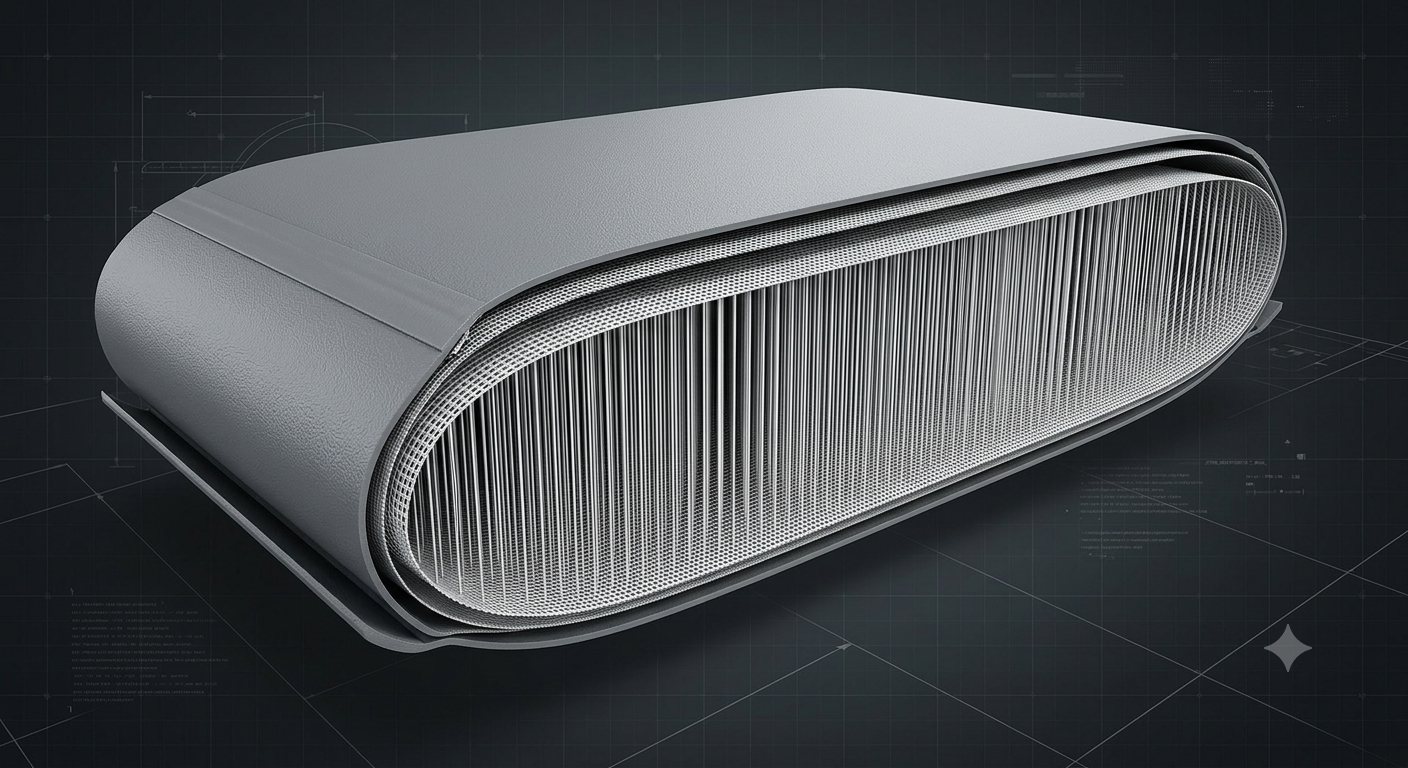
Manufacturing Quality Standards: The Fabric of Survival
Reinforced PVC vs. Hypalon-Neoprene Composites
The choice of substrate is the primary determinant of a boat's operational lifespan in harsh environments. While standard PVC is common for entry-level gear, commercial-grade emergency vessels demand advanced composites. Heavy-duty Nylon fabric coated with Hypalon (CSM) on the outer layer and Neoprene on the inner side offers superior resistance to UV degradation, ozone cracking, and abrasion . Data from certified manufacturers indicates that Hypalon-based materials using a 1670 dtex base fabric with a weight of 1500g/m² provide a 66% improvement in puncture resistance compared to industry-standard PVC . This durability is critical for deployments in flood zones with submerged debris or rocky shorelines.
Internal Structural Integrity: Drop-Stitch and Multi-Chamber Logic
Structural rigidity in high-pressure inflatables is achieved through drop-stitch technology, where thousands of high-tenacity threads connect the top and bottom fabric panels. This creates a stable, plank-like floor essential for standing operations and motor mounting. Crucially, safety in emergency scenarios relies on multi-chamber design. For instance, rescue rafts featuring five separate inflatable chambers ensure that if one tube is compromised by a puncture, the remaining chambers maintain positive buoyancy and structural shape, allowing the crew to safely abort the mission . This engineering logic complies with global safety mandates that require survivability even after a loss of pressure in a single compartment.
| Key Parameter | Technical Specification | Compliance Relevance |
|---|---|---|
| Fabric Composition | 1670 dtex / 1500g/m² Hypalon outer, Neoprene inner | ISO 15372:2000(E) & REACH compliant for durability |
| Maximum Payload | 850 kg (1,874 lbs.) / Approx. 8 persons | Calculated based on ISO 6185-3 and CE Capacity standards |
| Structural Pressure | Tubes: 5 PSI (0.35 bar) / Floor: 10 PSI (0.7 bar) | High-pressure drop-stitch floor for stability and hard-shell performance |
| Chamber Safety | 5 independent inflatable chambers | Ensures positive buoyancy and structural integrity in case of puncture |
| Abrasion & UV Resistance | 66% improvement in puncture resistance vs. standard PVC | Sustained performance in extreme marine and high-UV environments |
| Seam Integrity | Heat-welded seams (No adhesives) | Prevents delamination, ensuring long-term reliability under stress |
Certified Specs & Load Protocol: The Data-Driven Evaluation
Understanding the specific metrics of compliance is essential for procurement audits and operational planning. Directly referencing the ISO 15372:2000(E) standard ensures that the coated fabrics used for inflatable chambers meet the minimum requirements for tensile strength and resistance to environmental stressors . Furthermore, designs that comply with ISO 6185-3 are specifically certified for boats operating in sea conditions with a significant wave height up to 2 meters . For a professional rescue team, a typical 4.7-meter inflatable boat has a maximum payload capacity of 850 kg (1,874 lbs.), accommodating approximately 6-8 personnel . The operational pressure is strictly segmented: main tubes often operate at 5 PSI (0.35 bar) to provide a cushioned ride, while the high-pressure drop-stitch floor requires up to 10 PSI (0.7 bar) for optimal rigidity . Adherence to CE certification also mandates that for less severe rescues (e.g., evacuating structures during floods), the capacity is calculated under ISO 12217-3, ensuring stability ratings are accurately aligned with specific mission profiles .
Field Performance: Weld Integrity and Abrasion Resistance
The assembly method is as critical as the material itself. In high-risk environments, heat-welded seams provide superior bond strength compared to glued seams, eliminating the risk of chemical delamination associated with adhesives . A key requirement for any rescue product is its resilience to environmental degradation. Under standard safety requirements, the metallic components, such as D-rings and valves, must be manufactured from stainless steel or treated for corrosion resistance . Additionally, fabric must withstand immersion in diesel and saltwater. Standard safety protocols require that after a 24-hour immersion in diesel, the material exhibits no signs of swelling, decomposition, or a flotation loss greater than 5%, ensuring the boat remains operational despite exposure to contaminants .
[IMAGE_2]
Conclusion: The Strategic Value of Certified Durability
In the B2B emergency equipment sector, material integrity directly translates to Return on Investment (ROI) and operational trust. Specifying materials that comply with ISO 15372 and CE standards protects buyers from the high costs of fleet downtime, premature replacement, and liability . For fire departments, coast guards, and NGO rescue teams, investing in heavy-duty Hypalon fabrics and heat-welded drop-stitch floors is not an expense but a strategic necessity. It ensures that when every second counts, the equipment performs to its engineered limits, safeguarding both the rescuers and the rescued.
