

Introduction: The B2B Case for Premium PVC Inflatable Boats
For procurement managers, fleet operators, and outdoor resort owners, the choice of watercraft is a strategic business decision. While traditional hard-shell boats have their place, the modern commercial landscape demands equipment that balances durability, portability, and cost-efficiency. This is where premium PVC inflatable boats have revolutionized the industry. This guide provides a technical deep dive into the materials, manufacturing standards, and commercial ROI that make these vessels a superior choice for B2B applications, from high-turnover rentals to luxury glamping experiences.
Material Science: Beyond Basic PVC
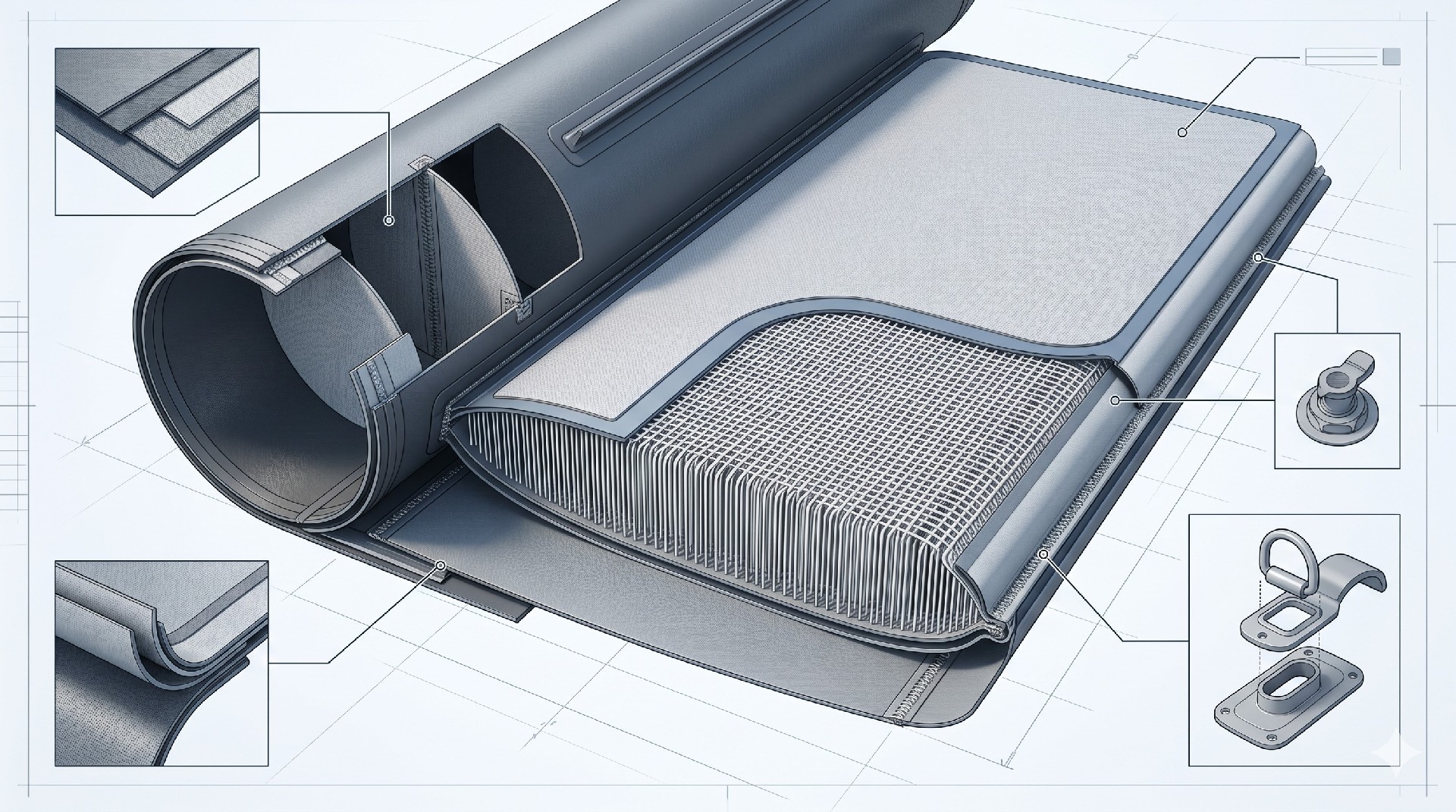
The term 'PVC' often undersells the engineering behind a commercial-grade hull. The foundation of a durable, premium boat lies in its fabric specification, measured in denier (D) or decitex (dtex), and its thickness (mm). Entry-level consumer products often use 0.3mm PVC , which is insufficient for professional use. For B2B applications, the standard starts at a 0.9mm / 1100 Dtex fabric, with premium models utilizing 1.2mm / 2000 Dtex reinforced PVC for maximum resistance to tearing and abrasion .
Denier Density and Weight: A Critical Trade-Off
High denier counts, such as 1100 dtex to 2000 dtex, directly correlate with tensile strength and puncture resistance. A 2000 Dtex fabric, as used in heavy-duty rescue boats, offers significantly more tear resistance than standard 850 g/m² variants . However, increased thickness adds weight—a crucial factor for portability. Modern premium designs strike a balance, with 0.9mm PVC being the industry sweet spot for recreational rentals, while 1.2mm is specified for high-risk environments like rocky rapids .
Hypalon vs. PVC: The Welding Advantage
While Hypalon is often cited as a gold standard for chemical and UV resistance, PVC has a decisive advantage in modern manufacturing: thermal welding. PVC can be heat-welded (HF or hot air), fusing the material at a molecular level into a homogeneous, incredibly strong bond . This eliminates the need for labor-intensive, cold-gluing required for Hypalon, which relies on overlapping strips and can degrade over time. High-end manufacturers have therefore moved towards premium PVC with advanced anti-UV treatments, offering the 'best of both worlds': the lightweight, weldable nature of PVC with enhanced longevity .
Manufacturing Excellence: The Technical Engine
The difference between a consumer toy and a commercial asset lies in the manufacturing process. B2B buyers must prioritize suppliers who demonstrate mastery in specific technical areas.
Heat-Welded Seams and Multi-Chamber Safety
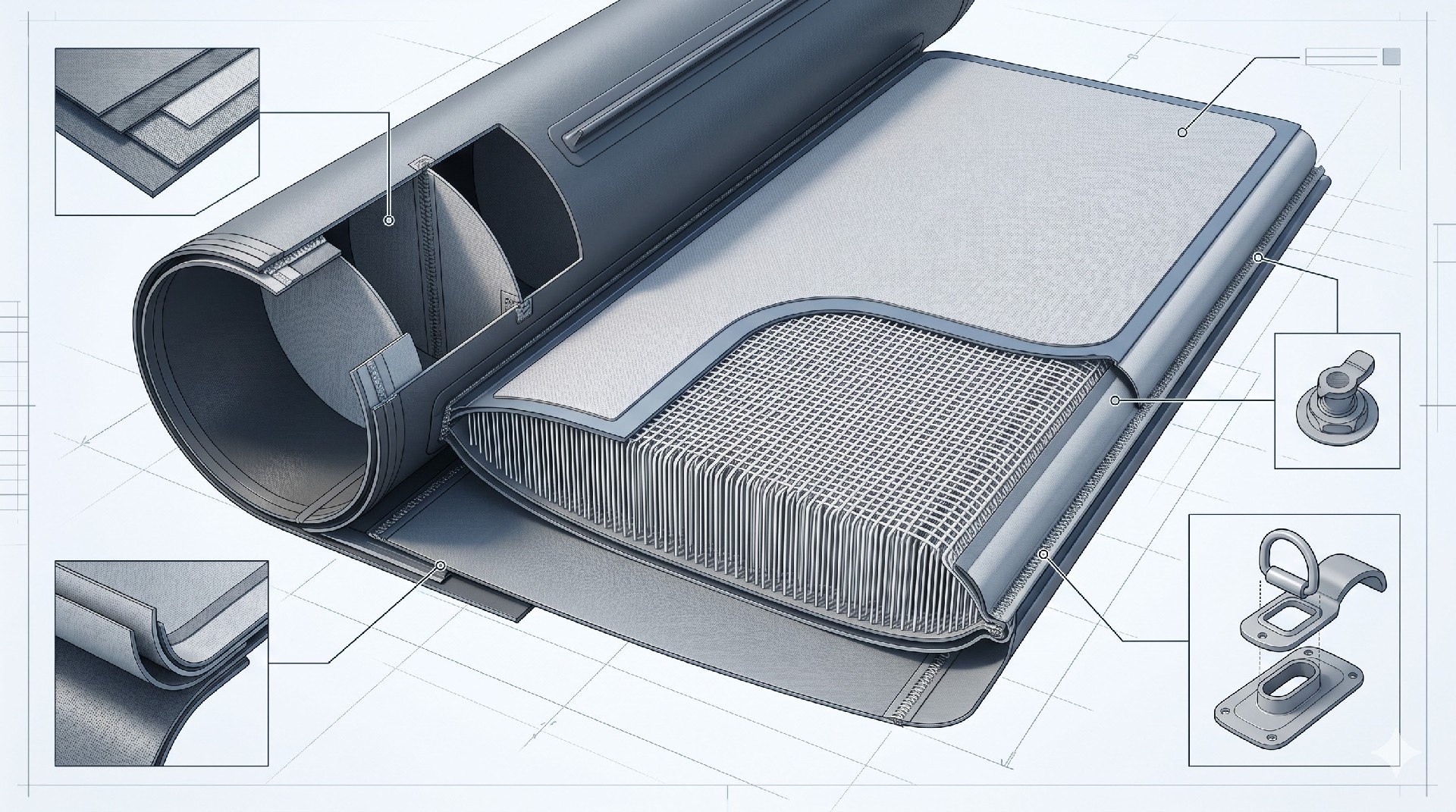
Seam integrity is the single most critical factor in a boat's lifespan. Premium commercial boats utilize quadruple overlap heat-welded seams that are guaranteed to last in saltwater, fresh water, and extreme humidity . Furthermore, commercial-grade vessels feature multiple independent air chambers. The West Marine PSB-275, for example, features 3+1 chambers, ensuring that if one chamber is compromised, the boat retains sufficient buoyancy for a safe return .
The Innovation of Drop-Stitch and High-Pressure Floors
Traditional hard floors (aluminum or plywood) provide stability but add weight and assembly time. Premium PVC boats are increasingly adopting high-pressure drop-stitch floors (like Air Deck technology). This technology creates a rigid, stable surface comparable to a hard floor when inflated to high PSI, without the weight or bulk . This innovation is critical for B2B fleets where storage space and rapid turnaround times are paramount.
Technical Specifications and Compliance
For B2B sourcing, data is king. The following table outlines the key specifications that differentiate premium commercial assets from recreational products, along with relevant industry standards (CE, ISO 6185).
| Key Parameter | Technical Specification | Commercial Relevance |
|---|---|---|
| Material Thickness (PVC) | 0.9mm (1100 Dtex) to 1.2mm (2000 Dtex) | Higher thickness (1.2mm) provides ~30% more puncture resistance for harsh environments |
| Fabric Weight | 850 g/m² to 1100 g/m²+ | Higher weight indicates denser, more durable fabric suitable for heavy-duty commercial use |
| Maximum Payload | 400 kg (880 lbs) to 760 kg (1675 lbs) | Directly impacts revenue per trip. High capacity supports 4-6 adults + gear for tours |
| Chambers (Air) | 3+1 (Multi-chamber) | Critical for safety; ensures buoyancy in event of a puncture, meeting CE/ISO 6185 standards |
| Seam Technology | Heat-Welded (Quadruple Overlap) | Superior strength and longevity compared to glued seams, critical for saltwater and UV exposure |
| Inflation Time (approx.) | 5-10 minutes (with high-volume pump) | Directly affects turnover rates in rental fleets; speed is a key operational metric |
Commercial Applications and ROI
Understanding the technical specs is only half the equation; the real value is realized in commercial deployment. Premium PVC inflatable boats are driving profitability across multiple sectors.
High-Throughput Rentals and Water Sports
For rental operations, turnover time is directly tied to revenue. Boats featuring rapid inflation/deflation systems and lightweight construction reduce setup times by an estimated 50% compared to rigid boats . The ability to store a fleet of 9-foot boats in a compact space (deflated) significantly reduces warehousing costs and allows operators to maximize their asset utilization .
Premium Glamping and Resort Experiences
In the high-end hospitality sector, aesthetics and guest experience are paramount. Commercial-grade PVC boats offer customizable color options (including digital camouflage and luxury finishes) and can integrate comfortable seating, awnings, and motor mounts for silent, guided tours . Their stability and load capacity (up to 400kg+ for a 4-person boat) ensure safety and comfort, directly impacting guest satisfaction and resort ratings .
B2B Sourcing Strategy: Certifications and Quality Verification
When sourcing premium PVC boats, due diligence is non-negotiable. Leading manufacturers hold certifications such as ISO 9001 for quality management and CE marking to confirm adherence to European safety directives . B2B buyers should also mandate third-party lab reports verifying material thickness, tensile strength, and seam peel resistance .
Conclusion: The Data-Driven Verdict
Premium PVC inflatable boats have evolved from simple recreational toys into highly engineered, data-driven commercial assets. The combination of high-denier, heat-welded PVC with drop-stitch technology and multi-chamber safety offers an unbeatable value proposition: lower upfront costs, reduced maintenance (CapEx/OpEx), and higher operational efficiency compared to traditional hard-shell boats or Hypalon alternatives. For B2B buyers, the choice is clear. By focusing on quantifiable metrics—PVC thickness, PSI limits, and ISO compliance—and partnering with certified manufacturers, businesses can secure a fleet that delivers superior performance and a rapid return on investment.
