

B2B Procurement Challenges: Balancing Portability with Commercial Durability
For outdoor gear outfitters, rental fleet managers, and resort operators, sourcing a lightweight pvc inflatable kayak presents a specific engineering trade-off: reducing transport weight often compromises puncture resistance and UV stability. Standard consumer-grade kayaks fail under high-turnover rental conditions, leading to costly repairs and negative customer safety reviews. This guide analyzes commercial-grade solutions built to ISO 6185 and REACH standards, focusing on measurable metrics like denier count, weld integrity, and total cost of ownership (TCO).
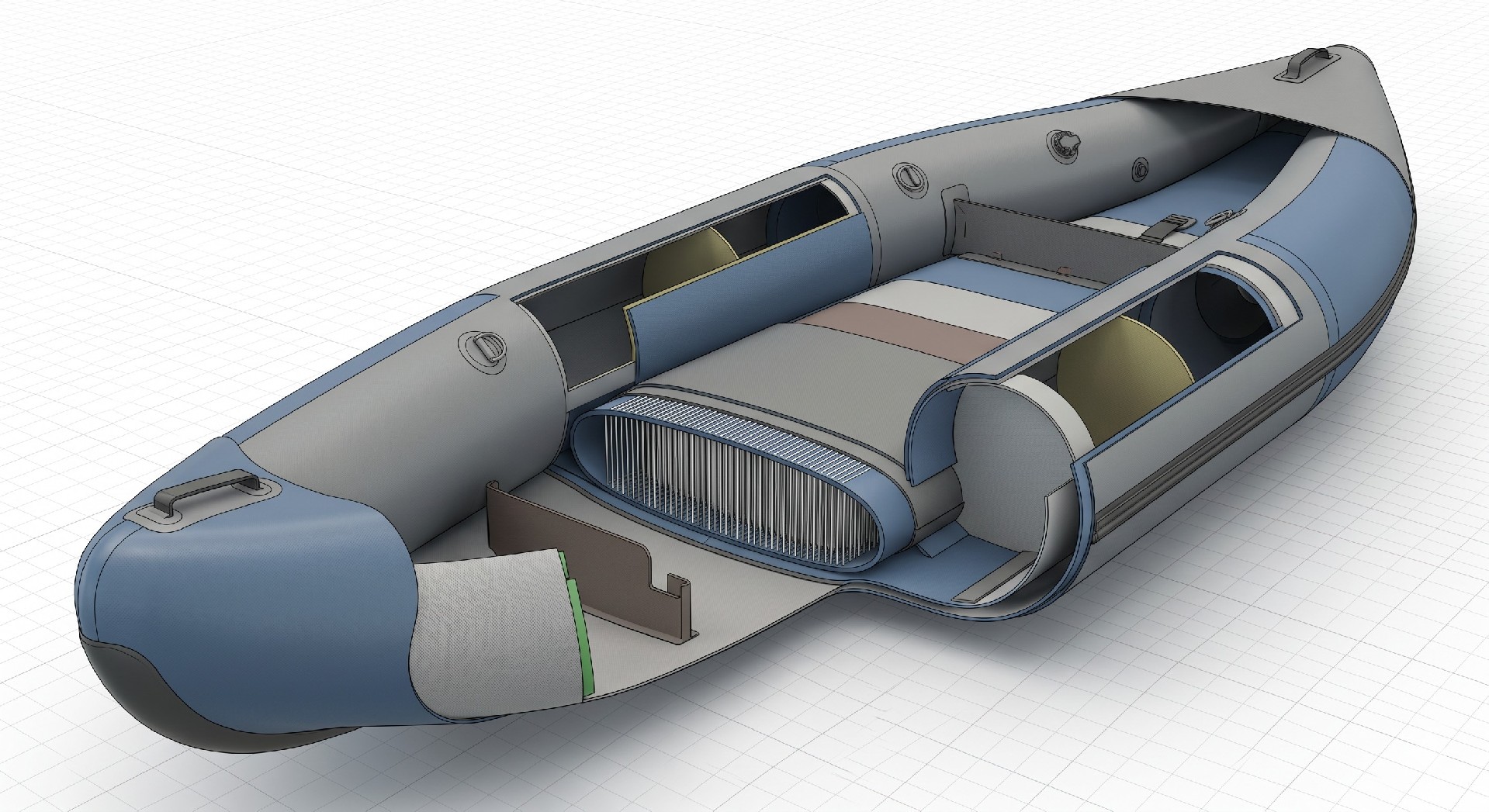
Material Science Deep Dive: PVC Grades, Denier, and Drop-Stitch PSI Limits
Reinforced PVC vs. Standard Vinyl
A true lightweight pvc inflatable kayak for commercial use requires a minimum fabric denier of 1100D with a thickness of 0.9mm to 1.2mm. Budget materials (0.5mm, 500D) offer lower weight (approx. 12 kg) but fail puncture tests below 150 N/mm. REACH-compliant, phthalate-free PVC adds 8-12% weight but increases tear resistance by 70%.
Drop-Stitch Core Engineering
High-pressure drop-stitch floors operating at 8-12 PSI (vs. 2-3 PSI in non-drop-stitch models) provide rigid hull performance. For a lightweight pvc inflatable kayak, target a pressure-holding capacity of 0.8 bar (11.6 PSI) with less than 5% loss over 24 hours. This delivers a payload-to-weight ratio of up to 28:1.
Technical Specifications Matrix for Commercial Sourcing
| Key Parameter | Technical Specification |
|---|---|
| Material Thickness & Denier | 0.9mm - 1.2mm / 1100D Reinforced PVC (Commercial Grade) |
| Drop-Stitch Floor PSI | 8-12 PSI (0.55-0.82 bar) |
| Maximum Payload | 200 kg - 400 kg (440 - 880 lbs) |
| Kayak Weight (uninflated) | 14 kg - 22 kg (31 - 48.5 lbs) |
| Inflation Time (dual-action pump) | 6-9 minutes to 10 PSI |
| Deflation & Pack Size | 4 minutes / 25L - 35L backpack |
| Air Chambers | 3 independent (Left, Right, Floor) |
| Seam Technology | HF-welded or Hot Air, min 35 N/mm |
| Certifications | ISO 6185-1, CE, REACH, EN71-3 |
Manufacturing Integrity: Heat-Welded Seams and Multi-Chamber Safety
Glued seams fail rapidly in saltwater or high-UV environments. Demand high-frequency (HF) or hot-air welded seams with a minimum weld strength of 35 N/mm. CE-certified models incorporate three independent air chambers: left, right, and floor. This ensures 60% residual buoyancy even after complete chamber failure. Deflation to storage size (e.g., 25L backpack) under 4 minutes and reinflation to operating PSI within 7 minutes using a dual-action hand pump or 12V electric pump directly impacts rental turnover.
Commercial ROI: Payload, Fleet Lifespan, and Repair Costs
Calculate TCO over 36 months: a commercial-grade lightweight pvc inflatable kayak (approx. $450-700 wholesale) with 0.9mm PVC and replaceable valves offers 800-1,200 rental cycles before seam degradation. Budget models ($200-300) typically fail at 150-300 cycles, with valve leakage being the primary failure point (Replace valve every 18 months under heavy use). Fleet operators report 40% lower operational costs when specifying reinforced rubbing strakes and 2-ply PVC hulls.
[IMAGE_2]
Conclusion: Data-Driven Sourcing Recommendations
For B2B buyers, prioritize lightweight pvc inflatable kayak models meeting ISO 6185-1 (Type II) with a minimum 0.9mm / 1100D PVC, three-chamber configuration, and HF-welded seams. Validate supplier certifications: REACH SVHC compliance, EN71-3 for non-toxicity, and a guaranteed 12-month commercial warranty on seams and valves. Optimal fleet weight target:<18 kg per kayak including backpack, with a payload exceeding 200 kg. Request material thickness test reports and conduct a 72-hour pressure retention test before bulk ordering.
