

Immediate Response: What to Do When Your Pump Handle Snaps Mid-Inflation
A snapped handle on a manual air pump during inflation is more than an inconvenience; it's a critical operational bottleneck. For commercial users—whether you're a rental fleet operator, a resort activities manager, or an OEM brand owner—a broken pump can lead to downtime, frustrated customers, and rushed, potentially unsafe repairs. The first step is to stop using the pump immediately. Continuing to operate a pump with a broken handle can damage the internal piston mechanism, scoring the cylinder wall and leading to a complete pump failure. This guide provides a systematic, commercially-focused approach to diagnosing the cause of the break, performing emergency repairs, and making an informed decision on repair versus replacement.
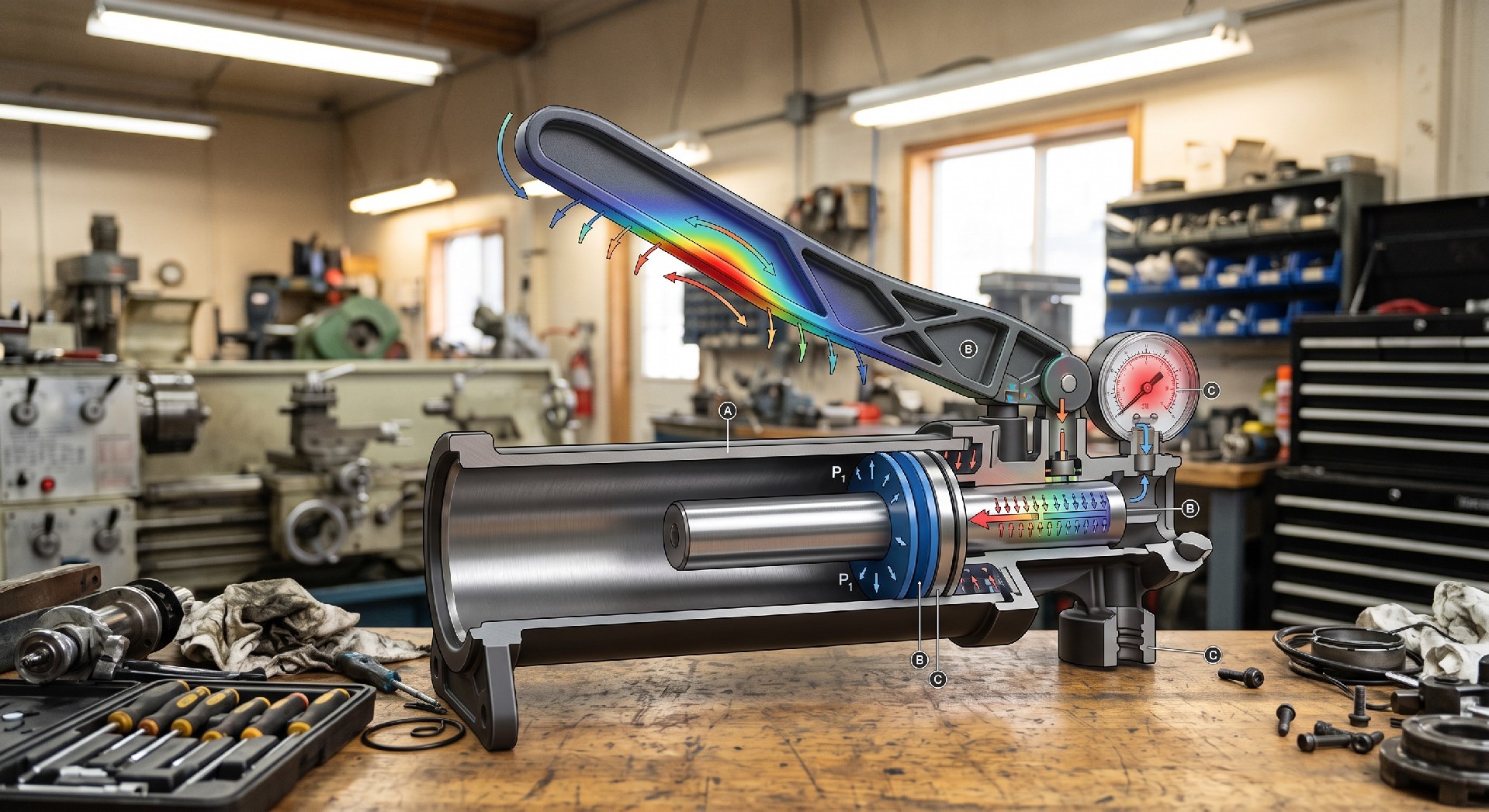
Assessing the Damage and Immediate Diagnostics
Before attempting any repair, conduct a thorough assessment to understand the scope of the damage. This diagnostic step is crucial for deciding whether a fix is feasible or if you need a replacement pump to maintain operations.
Visual Inspection
Handle Material: Is the handle made of plastic, nylon-reinforced plastic, cast metal (like zinc or aluminum), or tubular steel? A clean break in a plastic handle often indicates a casting defect or fatigue, while a bent or fractured metal handle suggests excessive force or an underlying pump issue.
Break Point: Where exactly did it break? A break at the handle's grip, the shaft, or the connection point to the pump's piston rod. A failure at the pivot pin is often due to wear, while a break in the shaft is usually from overloading.
Handle Assembly: Check the integrity of the handle's connection to the piston rod. Sometimes the handle itself is fine, but the retaining pin or bolt has sheared off. This is a much simpler and cheaper repair.
Pump Mechanism Check
Inspect the piston rod and cylinder for damage. A bent piston rod makes the pump harder to operate, putting immense stress on the handle and causing premature failure. Press the piston rod down and listen for any grinding or scraping sounds, which indicate a scored cylinder or a compromised seal. If the cylinder is damaged, the pump is not worth repairing for commercial use.
Emergency Repairs vs. Field Fixes
In a commercial setting, you may need a temporary fix to finish a job or get through a rental period. These are field expedients, not permanent solutions.
Duct Tape and Clamps: For a clean break in a plastic or metal shaft, a heavy-duty hose clamp and a splint (like a piece of metal or hardwood) can be clamped over the break. This is a temporary solution that may allow you to finish a single inflation, but it reduces leverage and is unreliable.
Epoxy or Plastic Weld (Field Repair): If the break is in a non-structural part of the handle (e.g., a cracked grip), a two-part epoxy (like JB Weld) can be a quick fix. Ensure the area is clean and dry. Apply the epoxy, clamp the parts together, and allow sufficient curing time according to the manufacturer's instructions. This repair is often weaker than the original and not suitable for high-force applications.
Replacement Handle Kits: For standard manual pumps, replacement handle assemblies are available from OEMs or through spare parts suppliers. This is the best field fix if you have a stock of spare parts. The repair is typically a simple procedure of unbolting the old handle and bolting on the new one.
Motorized Backup (If Available): If you have a backup electric or gas-powered pump, it is best to use that to finish the inflation. Manual pumps are generally for backup or final top-off pressure, so relying on them as a primary inflation method is a commercial risk.
| Observed Symptom | Likely Cause | Diagnostic Check | Corrective Action |
|---|---|---|---|
| Handle snapped cleanly at grip or shaft joint. | Material fatigue or over-pressure. | Inspect for cracks or casting defects; check if the pump gauge is functioning. | Replace handle with a reinforced metal version; ensure pressure gauge is calibrated. |
| Handle is bent before breaking. | Excessive force or misalignment. | Check piston rod for bend; roll on a flat surface to detect warping. | Replace pump assembly; train operators on correct technique. |
| Pivot pin sheared off; handle is intact. | Worn or undersized retaining pin. | Inspect hole for elongation; check pin diameter against spec. | Replace with a hardened steel pin; consider upgrading to a larger pin design. |
| Handle cracks near the connection to the piston rod. | Lateral force or repeated high-cycle loading. | Check for side-to-side play in the handle assembly; inspect rod for wear. | Lubricate pivot; replace handle if cracked; add a bushing to reduce play. |
Commercial Decisions: Repair, Replace, or Upgrade the Handle?
For a B2B operation, the decision to repair or replace a manual pump handle is an economic and operational one. The cost of downtime, lost revenue, and potential equipment damage (from over-inflation or under-inflation) often far outweighs the cost of a replacement pump.
When to Repair the Handle
Wear and Tear: If the handle is the only damaged component and the pump mechanism is in good working order. This is a viable strategy if the handle is a commonly replaced item and you have spare parts inventory.
Specific Handle Failure: If the handle failure is due to a known defect (e.g., a batch of weak castings) and a stronger replacement handle is available from the OEM or a third-party manufacturer, it may be worth repairing.
Leverage: Replacing a handle is significantly cheaper than replacing a whole pump. For large fleets with several manual pumps, stocking spare handles is a cost-effective maintenance strategy.
When to Replace the Whole Pump
Internal Damage: If the piston rod is bent or the cylinder walls are scored, the pump's efficiency is compromised. A pump with internal damage cannot generate the required pressure and will cause the handle to fail again.
Age and Obsolescence: If the pump is old, the design is outdated, or the manufacturer no longer offers replacement parts, it's time to replace the entire unit.
Upgrade Opportunity: A handle break is an opportunity to upgrade to a more robust, higher-quality manual pump, or transition to a more efficient electric or hydraulic system. Consider pumps with solid metal or reinforced handles.
Fleet Standardization: If you are standardizing your fleet on a newer pump model to reduce maintenance complexity and spare parts inventory, a failed handle is a good reason to replace.
Handle Material and Design Tradeoffs
Different handle designs offer tradeoffs in durability, comfort, and cost. Here is a breakdown for commercial buyers making a selection or replacement decision:
Nylon-Reinforced Plastic: These are often lightweight and inexpensive but can be brittle. They are prone to cracking or snapping under high pressure or when subjected to cold temperatures. Not recommended for heavy-duty commercial use.
Zinc or Aluminum Alloy Castings: These offer a good balance of strength and weight. However, castings can have internal defects (porosity, inclusions) that lead to sudden, catastrophic failure. Look for a supplier with a rigorous QC process that includes radiographic or ultrasonic testing for critical components.
Steel or Ductile Iron: These are the most durable materials for pump handles. They are resistant to bending and snapping, but they are heavier and more expensive. For a commercial fleet, the increased upfront cost is often justified by lower lifecycle costs.
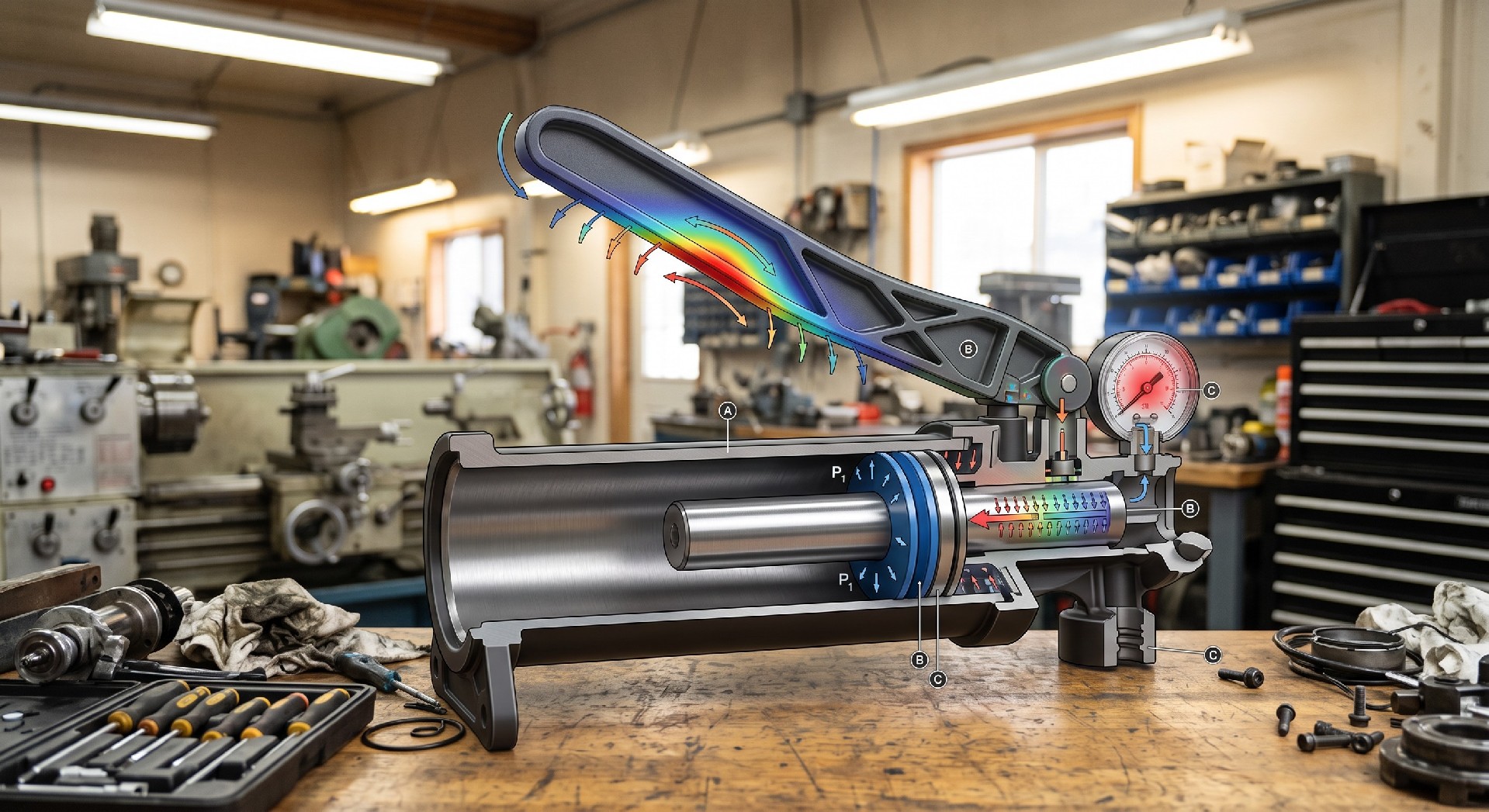
When replacing a handle, consider the maximum working pressure of the pump and the force required to achieve it. For instance, a manual pump designed for a high-pressure inflatable boat (e.g., 15 PSI) will require significantly more force and therefore a stronger handle than a pump for a low-pressure inflatable pool (e.g., 2 PSI). Verify the handle's material and construction are rated for the pump's maximum output pressure.
Preventative Maintenance and Operator Training
Preventing handle breakage is a key part of lifecycle management for any commercial inflatable operation. A proactive maintenance program reduces downtime and extends the life of your equipment.
Operator Training: Ensure staff are trained to use the pump correctly. They should know the working pressure of the inflatable product and use the pressure gauge to avoid over-inflation. Over-inflation is a primary cause of handle failure.
Routine Inspection: Include manual pumps in your regular pre-use and post-use inspection routine. Look for signs of stress, cracks, or wear on the handle, pivot points, and piston rod. A small crack is an early warning sign.
Lubrication: Keep the piston rod and pivot points lubricated to reduce friction. A dry, stiff pump requires more force to operate, increasing stress on the handle. Use a manufacturer-recommended lubricant (often silicone-based).
Spare Parts Inventory: For high-traffic rental operations, keep a stock of replacement handles and other common wear items (seals, valves, pressure gauges). This ensures you can quickly repair a pump and get it back into service.
Your Action Plan: The Repair or Replace Decision
Faced with a snapped manual pump handle, your decision comes down to one question: is it cheaper and more reliable to fix the existing pump, or does the failure signal an opportunity to improve your operational reliability?
Choose to repair if the pump mechanism is sound, a replacement handle is readily available and cost-effective (under $30-$50 for a handle), and the repair can be performed quickly without significant labor costs.
Choose to replace the pump if the pump shows signs of internal wear (bent rod, scored cylinder), the pump is old and lacks parts support, or you can upgrade to a more durable model that will reduce long-term downtime.
Choose to upgrade if you are currently using consumer-grade pumps in a commercial environment. Invest in a commercial-grade manual pump with a heavy-duty steel or metal handle, a replaceable piston seal, and a robust pressure gauge. This is a strategic investment in operational reliability.
For B2B operations, the cost of a handle break is not just the price of a new handle; it's the cost of a customer waiting, a stranded rental, or a damaged reputation. Prioritize reliability, inspect your equipment, and make decisions that minimize operational disruption.
