

Why Creases Become a Commercial Problem for PVC Inflatables
For commercial operators and fleet managers, creases in PVC inflatables are not merely a cosmetic issue. A crease represents a localized zone of material stress where the plasticizer migration and polymer chain alignment have been permanently altered. Inflatable products used in rental fleets, resorts, or OEM supply chains often face repeated folding and deployment cycles. Over time, these creases can develop into micro-cracks, reducing the fabric's tensile strength and compromising air retention. This guide addresses the real-world challenge of preventing creases and permanent damage when folding PVC inflatables, focusing on material science, folding protocols, and storage environments.
Understanding PVC Material Memory and Crease Formation
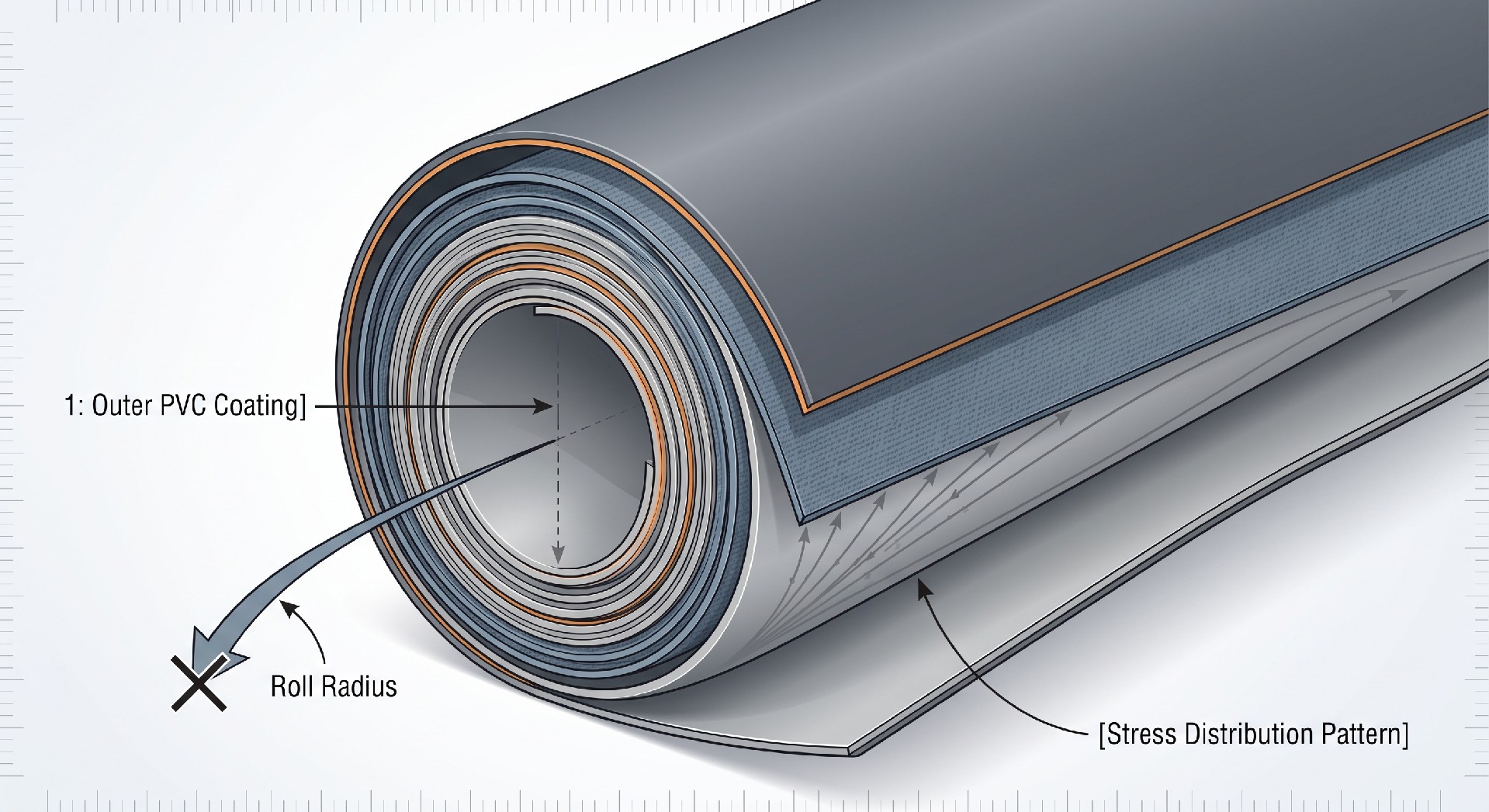
PVC-coated fabrics used in commercial inflatables are engineered to be flexible, but they are not infinitely elastic. When a PVC inflatable is folded, the outer radius of the bend stretches while the inner radius compresses. If the bend radius is too tight or the duration of folding is too long, the material's plasticizers can shift, and the fabric may not return to its original flat shape. This phenomenon, often referred to as 'material memory,' is the primary cause of permanent creases. In high-quality commercial fabrics, the base scrim and coating formulation dictate the minimum safe fold radius. However, the operator's folding technique and storage conditions are equally critical in preserving the product's integrity.
Critical Factors Influencing Crease Severity
Preventing creases requires a multi-faceted approach that accounts for the product's design, the folding environment, and the storage duration. Several key factors determine whether a fold will result in permanent damage.
Temperature: PVC becomes more pliable at higher temperatures. Folding a cold inflatable significantly increases the risk of creasing. Ideally, folding should occur when the material is at a temperature of at least 15°C. Conversely, storing a folded product in high heat (above 50°C) can accelerate plasticizer evaporation, making the material brittle.
Folding Method: Rolling is almost always superior to folding. A loose roll with a large diameter distributes stress evenly across the material's surface. Sharp, accordion-style folds create concentrated stress points that are more likely to become permanent.
Surface Contamination: Dirt, sand, or salt crystals on the fabric act as abrasives. When the fabric is folded under pressure, these particles can be pressed into the coating, creating stress risers that become the epicenter of a crease or crack.
Product Geometry: The presence of welded seams, D-rings, or valves creates areas of varying thickness. Folding along these areas without adequate padding can lead to severe distortion and de-lamination.
Step-by-Step Folding Protocol for PVC Inflatables
Implementing a standardized folding procedure is the most effective way to mitigate damage. This protocol is designed to minimize mechanical stress and preserve the fabric's elastic properties for the next deployment.
Clean and Dry: Before folding, the inflatable must be completely dry and free of debris. Use a mild soap and water solution to remove salt or dirt, and allow the product to air dry thoroughly. Moisture trapped in folds can lead to mildew or hydrolysis of the adhesive.
Deflate Completely: Leave valves open during the entire folding process. Residual air pockets create localized pressure points when rolled, leading to distortions.
Plan the Fold Path: Identify the natural flex points of the product. For tubular structures (like SUP or kayaks), begin by folding the side tubes inward over the deck. For flat structures (like docks or mats), start from the long edge.
Roll, Don't Fold: Starting from one end, roll the product loosely toward the valve end (to allow any remaining air to escape). Maintain a large roll diameter (minimum 12-15 inches for thick PVC). Avoid sharp 90-degree folds.
Use a Cover: If the product will be stored for more than 24 hours, wrap it in a protective tarp or canvas cover. This minimizes UV exposure during storage and prevents the roll from being crushed by other equipment.
Long-Term Storage and Material Stress Management
Storage conditions are the second leading cause of crease damage. Once a PVC inflatable is folded and stored, the pressure from its own weight or other stored items can exacerbate creases over weeks or months. In a commercial rental fleet, storage racks are a common solution. However, if the rack supports are placed under a fold line, they can cause permanent indentation. We recommend storing rolled products horizontally on broad, flat shelves, or vertically in a sling-style rack that supports the entire length of the roll. Furthermore, if the product must be stored folded, rotating the inventory—deploying and re-rolling the units periodically—redistributes stress points.
| Storage Condition | Effect on PVC Flexibility | Crease Risk Level | Commercial Control Method |
|---|---|---|---|
| Below 5°C | Increased rigidity, brittle | High | Indoor heated storage, delay folding |
| 15-25°C (Folding) | Optimal plasticity | Low | Standard operating procedure for all folding |
| Above 35°C (Ambient) | Soft but viscous, tacky | Moderate | Allow to cool, use talc powder to prevent sticking |
| High Humidity (>80%) | Potential coating adhesion loss | Moderate | Store in climate-controlled area, use desiccants |
| Crushed by other items | Localized stress, deep grooves | Severe | Use flat shelves or sling racks to distribute weight |
Preventive Maintenance and Crease Remediation
Even with the best practices, some creases may form. In commercial applications, it is essential to distinguish between a superficial crease and a structural flaw. Superficial creases can often be remediated by laying the inflatable flat in the sun (or applying low, even heat with a heat gun) to allow the plasticizers to flow back into the stressed area. However, this is a temporary fix and should not be relied upon for high-pressure applications. Structural creases—those that feel like a distinct ridge or trough in the fabric—indicate that the scrim has been permanently damaged. These areas are prone to seam separation and should be flagged for immediate repair or retirement.
[IMAGE_2]
Commercial Folding Equipment and Accessories
For large fleets, manual folding is labor-intensive and inconsistent. Several commercial solutions exist to standardize the process and reduce the risk of creases. Folding tables with rounded edges allow operators to roll large products evenly without sharp angles. Motorized rollers are used by some OEMs to fold large inflatable docks and slides, ensuring even tension across the fabric. These tools represent a significant capital expenditure but can extend the lifecycle of an expensive asset by 20-30%. Distributors and rental operators should evaluate the annual replacement cost of damaged inventory against the price of such equipment to determine ROI.
Evaluating PVC Quality and Supplier Specifications
Not all PVC fabrics are created equal. The best defense against crease damage starts at the procurement stage. When sourcing inflatables, ask the OEM for specific cold-crack and flex-fatigue test results. Higher-grade commercial PVC often includes a polyester scrim with a higher denier and a coating that contains a higher percentage of plasticizers, making it more resistant to deformation. A common mistake in private-label purchasing is prioritizing initial cost over long-term durability. If the product will be folded frequently for storage or transport, specify a PVC grade that meets DIN 53361 (cold bend) standards for your operating climate. For distributors, requiring a 24-hour 'fold test' in the sample approval phase is a prudent way to validate the material's memory.
Decision Checklist for Fleet Operators
To integrate crease prevention into your commercial lifecycle management, consider the following checklist:
Establish a mandatory 'cool-down' period for inflatables used in hot environments before folding.
Inspect storage racks for any points of pressure that could indent the fabric.
Train staff to roll, not fold, and to use a minimum roll diameter of 300mm.
Rotate inventory to prevent any single unit from being stored folded for prolonged periods (e.g., more than 30 days).
Document and monitor crease formation as a key performance indicator for material quality.
Conclusion: Proactive Management Over Reactive Replacement
Creases are an inevitable byproduct of using flexible materials. However, permanent damage is not. For B2B buyers and operators, the cost of implementing a strict folding and storage protocol is minimal compared to the replacement cost of a large-format inflatable. By understanding the material science behind PVC deformation and enforcing standardized handling procedures, commercial teams can dramatically reduce downtime and extend product lifespan. As a buyer, you should always prioritize the supplier's folding recommendations and verify their material's resilience through cold-test and flex-fatigue data.
