

Introduction: The Commercial Cost of Stubborn Stains
For rental fleets, resorts, and commercial operators, oil and grease stains on inflatable water toys are more than a cosmetic issue. Sunscreen, body oils, mechanical lubricants from tow ropes, and fuel residue from marine engines can degrade the surface finish, attract abrasive grit, and shorten the service life of high-value assets like towable tubes, water trampolines, and floating play structures. While a basic soap-and-water approach works for light dirt, the persistent adhesion of hydrocarbon-based substances demands a deliberate chemical and mechanical strategy. This guide provides a technical maintenance protocol for "How to Clean Oil and Grease Stains Off Inflatable Water Toys," tailored for commercial buyers, fleet operators, and facility managers who need to balance restoration effectiveness with material preservation and operational downtime.
Understanding the Adhesion Mechanism: Why Oil and Grease Are Difficult
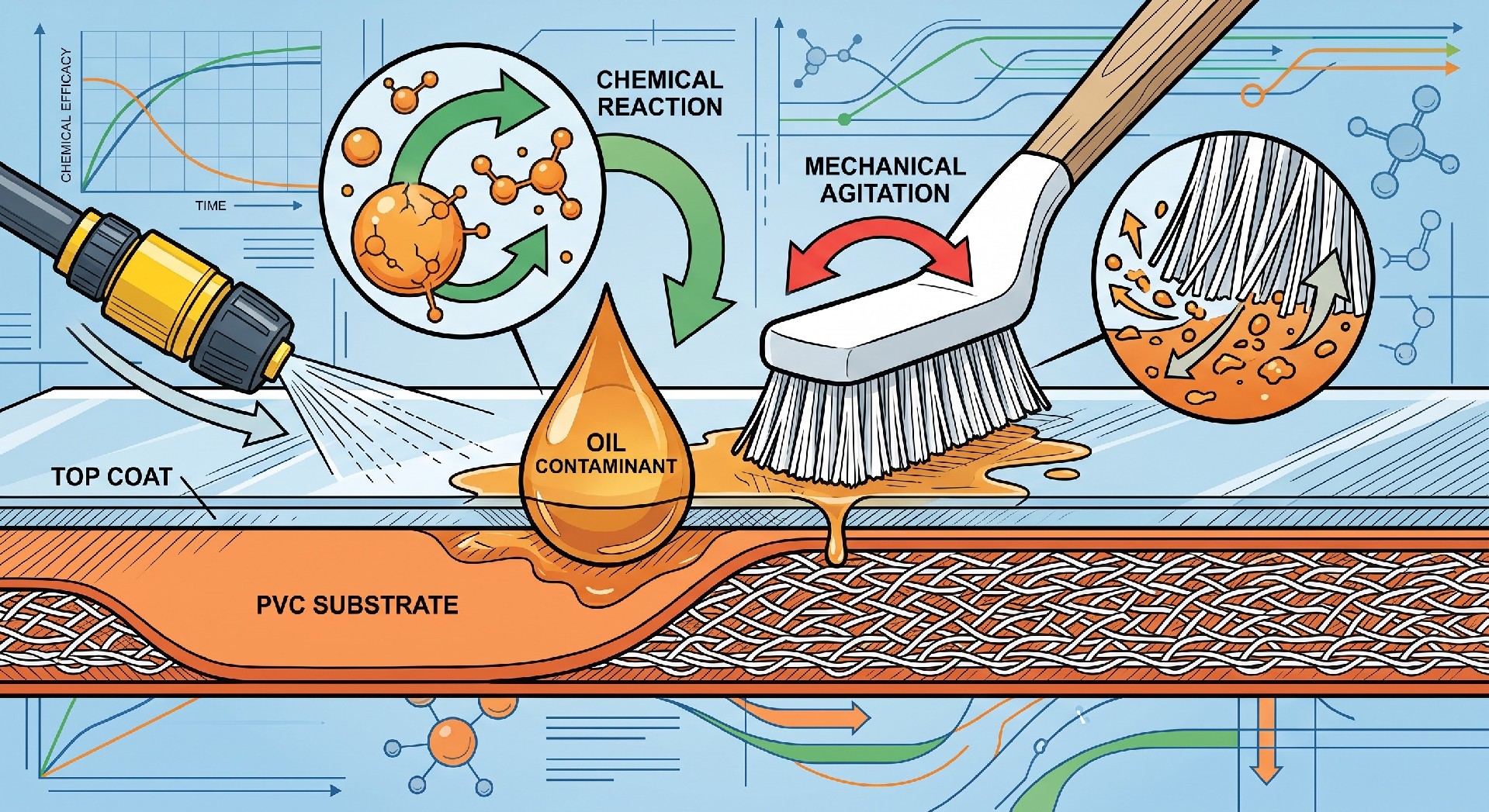
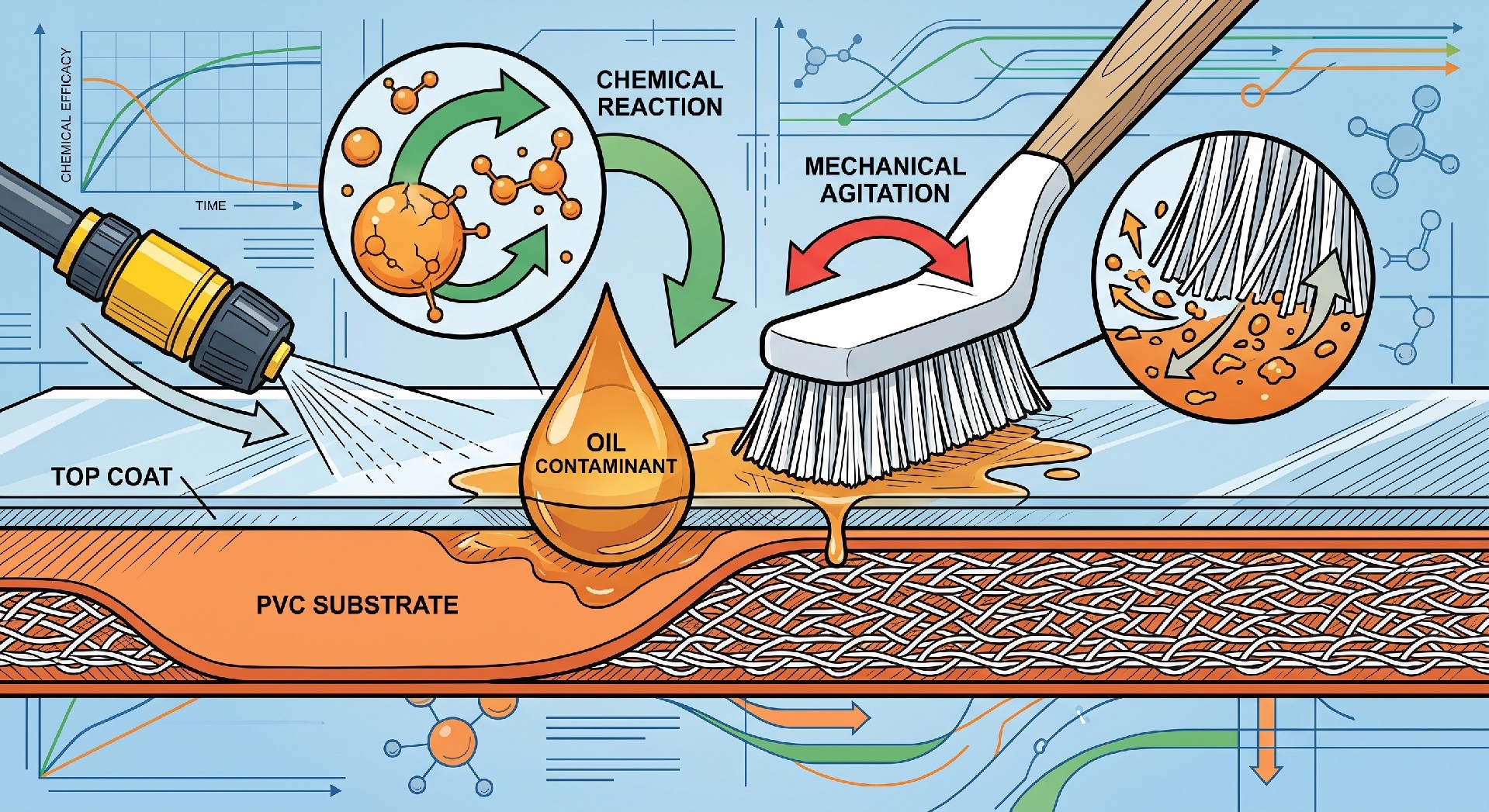
Oil and grease stains are stubborn because they are non-polar hydrocarbon compounds that readily bond with the plasticizers in PVC (polyvinyl chloride) and TPU (thermoplastic polyurethane) surfaces. Unlike water-soluble dirt, these substances penetrate the microscopic pores and surface irregularities of the material, creating a bond that simple surfactants cannot easily break. The challenge is compounded by UV exposure and heat, which can oxidize the oils and cause them to polymerize, forming a varnish-like film that is even more resistant to removal. For commercial inflatable water toys, which are often subjected to repeated cycles of sun exposure and submersion, the stain degradation process accelerates, making timely and correct cleaning essential.
Material Compatibility: Know Your Construction
Before applying any cleaning agent, it is critical to verify the primary material of the inflatable. The two dominant materials are PVC and TPU. PVC is the most common in recreational water toys due to its cost-effectiveness and durability, but it is susceptible to plasticizer migration and damage from strong solvents. TPU offers superior abrasion resistance and is often found in higher-end or drop-stitch constructions, but it can be sensitive to certain alcohols and aromatic hydrocarbons. A buyer’s target cleaning protocol must differentiate between these materials, as a cleaner optimized for one may cause surface cracking or discoloration in the other.
PVC (Polyvinyl Chloride): Typically flexible, high-gloss finish. Avoid cleaners with high concentrations of acetone or xylene, which can leach plasticizers and make the material brittle.
TPU (Thermoplastic Polyurethane): Often has a matte or slightly textured finish. Known for better resistance to oils but can degrade with prolonged exposure to some degreasers.
Hypalon (CSM): Less common in recreational toys but used in professional-grade gear. It has excellent chemical resistance but requires specific cleaning protocols.
The Commercial Cleaning Workflow: A Step-by-Step Protocol
Effective oil and grease removal is a multi-step process that balances the aggressiveness of the cleaning agent with the time available before the next rental. The following workflow is designed for high-turnover commercial environments where speed and asset protection are paramount.
Step 1: Immediate Pre-Rinse and Surface Assessment
As soon as the toy is out of the water, rinse it thoroughly with fresh water to remove sand, salt, and loose debris. This prevents abrasive grit from scratching the surface during the cleaning process. Conduct a visual inspection to identify all oil and grease stains. Mark heavily soiled areas with chalk or tape to ensure they receive focused attention. Document the type of stain (e.g., sunscreen, marine grease, fuel) if possible, as this informs the choice of cleaner.
Step 2: Applying the Primary Degreaser
Select a cleaner that is specifically formulated for marine or inflatable materials. Commercial cleaning concentrates designed for PVC and hypalon, such as those containing d-limonene or citrus-based solvents, are highly effective at breaking down hydrocarbon bonds without attacking the material matrix. Apply the cleaner using a low-pressure sprayer or a soft sponge. Allow it to dwell for three to five minutes, but do not let it dry on the surface. For stubborn, polymerized stains, a gel-based degreaser may be necessary to maintain contact with the vertical surfaces of the inflatable.
Typical Commercial Range: Dilution ratios for concentrates commonly range from 10:1 to 20:1, but supplier-dependent formulations should always be tested on a small, inconspicuous area first.
Action: Gently agitate the stain with a soft-bristled brush. Avoid stiff brushes that can damage the surface finish or compromise the integrity of RF-welded seams.
Step 3: Rinse and Repeat for Deep-Set Stains
Rinse the area thoroughly with a high-pressure hose (but avoid pressures exceeding 1,500 PSI directly on seams or printed graphics). Inspect the area. If the grease mark persists, reapply the degreaser. For particularly tenacious stains—often those that have been baked in the sun for days—a mild abrasive paste made from baking soda and a small amount of the degreaser can be used to gently lift the stain. This mechanical assistance is often the deciding factor in a successful cleaning cycle.
Step 4: Final Rinse and Water Break Test
After the stains are removed, perform a final rinse. Conduct a water break test by spraying water over the cleaned area. If the water beads up, residual oils or waxes are still present. If the water sheets evenly, the surface is clean and ready for drying. Allow the inflatable to air dry completely in a shaded area before storage. Drying under direct UV exposure can accelerate degradation of both the material and any newly applied protective coatings.
| Stain Type | Recommended Cleaner | Application Method | Commercial Consideration |
|---|---|---|---|
| Sunscreen / Body Oils | Citrus-based marine degreaser | Spray on, dwell 3-5 min, agitate with soft brush | Common in rentals; rapid removal reduces downtime. |
| Marine Grease / Lubricants | D-limonene concentrate (20:1 dilution) | Apply with sponge, dwell 5 min, agitate, rinse | Commonly specified for tow rope attachments. |
| Oxidized / Polymerized Film | Mild abrasive paste (baking soda + degreaser) | Gently rub with non-abrasive pad, avoid seams | Often targeted by OEM buyers for heavy-use fleet. |
| Fuel / Petroleum Residue | Isopropyl alcohol (test spot first) | Dab directly, immediate rinse with fresh water | Supplier-dependent; verify against material datasheet. |
Advanced Troubleshooting: Stains That Resist Standard Protocols
Occasionally, an oil or grease stain will resist the standard cleaning regimen. This is often due to oxidation or the stain penetrating the top coat of the material. In such cases, commercial operators may consider a more aggressive chemical approach. However, this must be weighed against the potential for material damage. A solvent like isopropyl alcohol (IPA) can be effective against certain synthetic greases, but it should be used sparingly and immediately rinsed, as IPA can swell TPU and accelerate plasticizer loss in PVC.
Another option is to use a specialized PVC solvent cleaner, often sold as a "stain remover" for boat interiors. These contain mild solvents that are formulated to work with the plasticizer system of the material. Verify against the final datasheet or manufacturer’s recommendation before use. In a fleet management context, a stained toy that cannot be cleaned to standard within a reasonable time may be designated for a deep-clean schedule or, in extreme cases, rotated to a non-rental service status.
Preventative Maintenance: Reducing the Frequency of Stubborn Stains
The best way to handle grease stains is to prevent them from setting. Implementing a preventive protocol reduces downtime and chemical costs. This includes:
Application of UV and Stain-Resistant Coatings: A quality marine wax or polymer sealant applied at the start of the season creates a sacrificial barrier. This prevents oils from penetrating the material directly.
Establish a Post-Use Rinse Policy: Train staff to perform a quick freshwater rinse and wipe-down immediately after each use, before the sun bakes the oils into the surface.
Environmental Controls: Store inflatables in a cool, shaded area. High temperatures accelerate the polymerization of oils, making them harder to remove. While a durable PVC inflatable might cost more upfront, the lifecycle cost analysis often favors materials with better stain resistance when cleaning labor is expensive.
Lifecycle Decision: When Cleaning Is No Longer Enough
Every inflatable has a finite service life. Repeated aggressive cleaning can eventually thin the surface layer or compromise the material, leading to increased susceptibility to punctures and seam failure. For a rental fleet operator, the decision to replace a toy should be based on the cost of labor and chemicals required to maintain it versus the revenue it generates. A heavily stained toy that requires 30 minutes of specialized cleaning per rental may not be profitable.
Furthermore, consider the customer experience. In a resort or high-end rental environment, a stained toy can significantly diminish perceived value and lead to negative reviews. A clear "retirement trigger" should be part of the commercial fleet management plan. For instance, if a toy requires more than two chemical applications to remove standard sunscreen stains, it is a candidate for scheduled replacement. This is where the commercial decision moves from maintenance to lifecycle optimization. Ensure that the buyer checks the material warranty for any clauses regarding solvent use, which could void the coverage.
