

Introduction: The Commercial Imperative of Genuine Water Resistance
For the B2B outdoor equipment buyer, the distinction between water-resistant and waterproof is not merely semantics; it is a critical factor affecting customer satisfaction, brand reputation, and operational costs. Sourcing a "camping handbag" that promises protection but fails under field conditions leads to damaged gear, negative reviews, and a direct hit to your bottom line. This guide serves as a comprehensive technical manual for procurement professionals, product designers, and rental fleet managers. We will dissect the materials science, engineering standards, and financial implications of selecting a handbag that delivers on its water resistance claims, moving beyond marketing fluff to verifiable technical specifications .
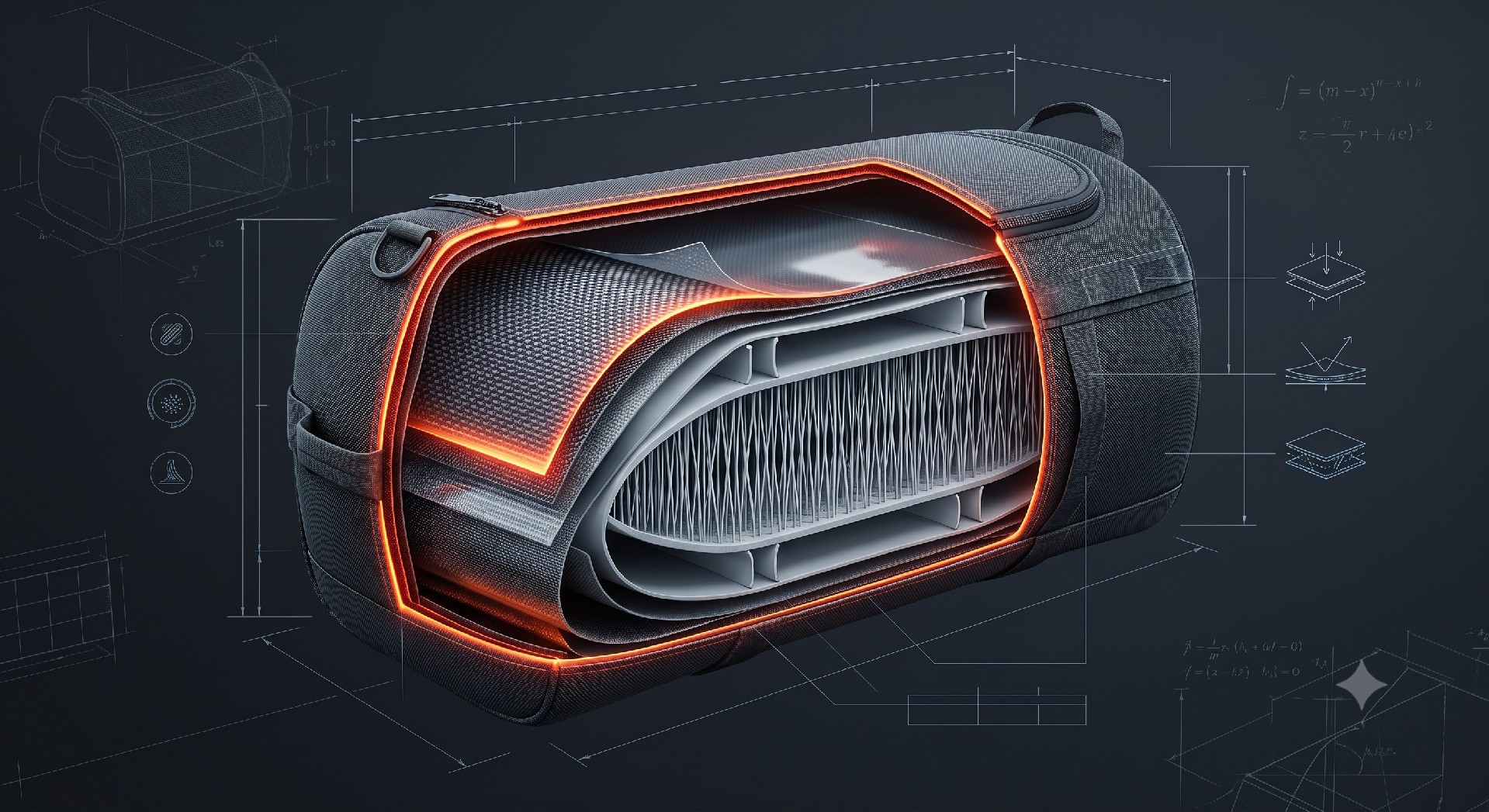
Decoding Water Resistance: IPX Ratings and Material Science
A truly water-resistant camping handbag is defined by both its materials and its construction. The Ingress Protection (IP) rating is the industry-standard benchmark for evaluating a bag's sealing capabilities. For B2B applications, understanding these grades is non-negotiable.
Understanding the IPX Rating System
IPX4: Offers protection from splashing water from all directions. Suitable for light rain or accidental spills. Often found in everyday hiking packs .
IPX6: Withstands powerful water jets (e.g., heavy rain or waves). An entry point for more demanding marine environments .
IPX7: The gold standard for submersion. The bag can be fully submerged in water up to 1 meter for 30 minutes without internal leakage. This is the benchmark for premium commercial-grade gear and rescue equipment .
IPX8: Indicates submersion beyond 1 meter, typically for specialized equipment .
For a commercial fleet or high-end resort, an IPX7 rating is the minimum acceptable standard to guarantee guest satisfaction and protect expensive electronics. However, the rating is only as good as the materials used to achieve it.
Core Material Analysis: Nylon, Polyester, and Coatings
The base fabric and its coating determine the bag's durability and water resistance. The primary materials are Nylon (Polyamide/PA) and Polyester (PES).
Nylon (PA): Highly durable, elastic, and lightweight. It offers superior tear and abrasion resistance compared to polyester of the same denier . Premium bags often use 800D to 1000D Nylon for extreme durability .
Polyester (PES): Highly resistant to UV degradation and moisture absorption. A 1200D Polyester shell provides a robust, water-resistant base .
Coatings: The fabric is rendered waterproof through a coating on the inner surface.
Polyurethane (PU): A common, versatile coating that provides excellent water resistance and structure .
Thermoplastic Polyurethane (TPU): A more premium, highly durable, and flexible coating. It is often paired with nylon to create a waterproof barrier without compromising the fabric's flexibility .
Hypalon®: A synthetic rubber known for its extreme durability, UV resistance, and chemical resistance. Often used for collars and reinforcements to ensure a perfect seal .
For a truly water-resistant handbag, the fabric should be a high-denier (e.g., 840D or 1000D) Nylon or Polyester with a robust TPU or PU coating. A Durable Water Repellent (DWR) finish on the outside, ideally PFAS-free, provides an additional layer of protection by causing water to bead and roll off the surface .
Engineering Waterproof Integrity: Seams and Closures
The material is only half the battle. Water ingress is most common at seams, zippers, and closures. True water resistance is an engineering feat.
Seam Technology: Welded vs. Stitched
Heat-Welded / RF-Welded Seams: This is the industry standard for premium waterproof gear. Instead of stitching, the fabric is fused together using heat and pressure. This creates a hermetically sealed, continuous bond that is stronger than the material itself and eliminates thousands of needle holes that water can penetrate. It is required to achieve IPX6 or IPX7 ratings .
Taped Seams: For bags that are sewn (often for structural shape), a waterproof tape (like TPU) is heat-sealed over the interior seams. This is an effective method but is less durable in the long term than welded seams. For B2B applications involving constant use, fully welded seams are the only acceptable choice .
Closure Mechanisms: The Primary Barrier
Roll-Top: The most reliable closure system for waterproof bags. The user rolls the top of the bag down multiple times (typically 3-4) and secures it with a clip. This creates an airtight and waterproof seal. For maximum water resistance, the collar should be reinforced with a rigid material like Hypalon® .
Waterproof Zippers (e.g., YKK AquaSeal): Used in high-end bags, these have a protective coating and a tight weave to resist water. However, they are not fully waterproof without a protective flap and are generally less reliable than a roll-top for submersion.
Technical Specifications Matrix
For B2B sourcing, these technical parameters are the final decision-making factors. The following table outlines the critical specs for a commercial-grade, water-resistant camping handbag.
| Key Parameter | Commercial-Grade Specification | B2B Significance |
|---|---|---|
| Material Composition | 840D – 1000D Nylon/Polyester with TPU/PU Coating | High denier ensures abrasion resistance and structural integrity under heavy loads . |
| Waterproof Rating | IPX7 (Submersible up to 1m for 30 minutes) | Guarantees protection during accidental submersion, key for water sports and harsh conditions . |
| Seam Construction | Fully Heat-Welded / RF-Welded | Eliminates needle holes, providing superior, reliable waterproofing compared to taped seams . |
| Closure System | Hypalon®-Reinforced Roll-Top | Provides a secure, adjustable, and highly reliable waterproof seal. Hypalon adds durability to the closure point . |
| Max Payload Capacity | ≥ 25 kg (55 lbs) | Indicates robust construction capable of carrying heavy gear for multi-day trips . |
ROI and Commercial Application Scenarios
Investing in a truly water-resistant camping handbag yields tangible returns. For a rental fleet, a high-quality bag lasts through thousands of rental cycles, reducing replacement frequency. An average bag may fail after one season in a high-abuse rental environment due to seam failure or material degradation. A premium, welded 1000D Nylon bag with an IPX7 rating can endure for 5-10 years, significantly lowering the Total Cost of Ownership (TCO).
For glamping resorts and premium outdoor experiences, these bags serve as a touchpoint of quality. Guests expect their belongings to be safe. A water-resistant bag reinforces the brand promise of a "luxury" experience. Conversely, a failed bag can ruin a guest's trip, leading to negative reviews that impact future bookings. The minor cost savings on a lower-quality bag are negligible compared to the risk of a single negative incident.
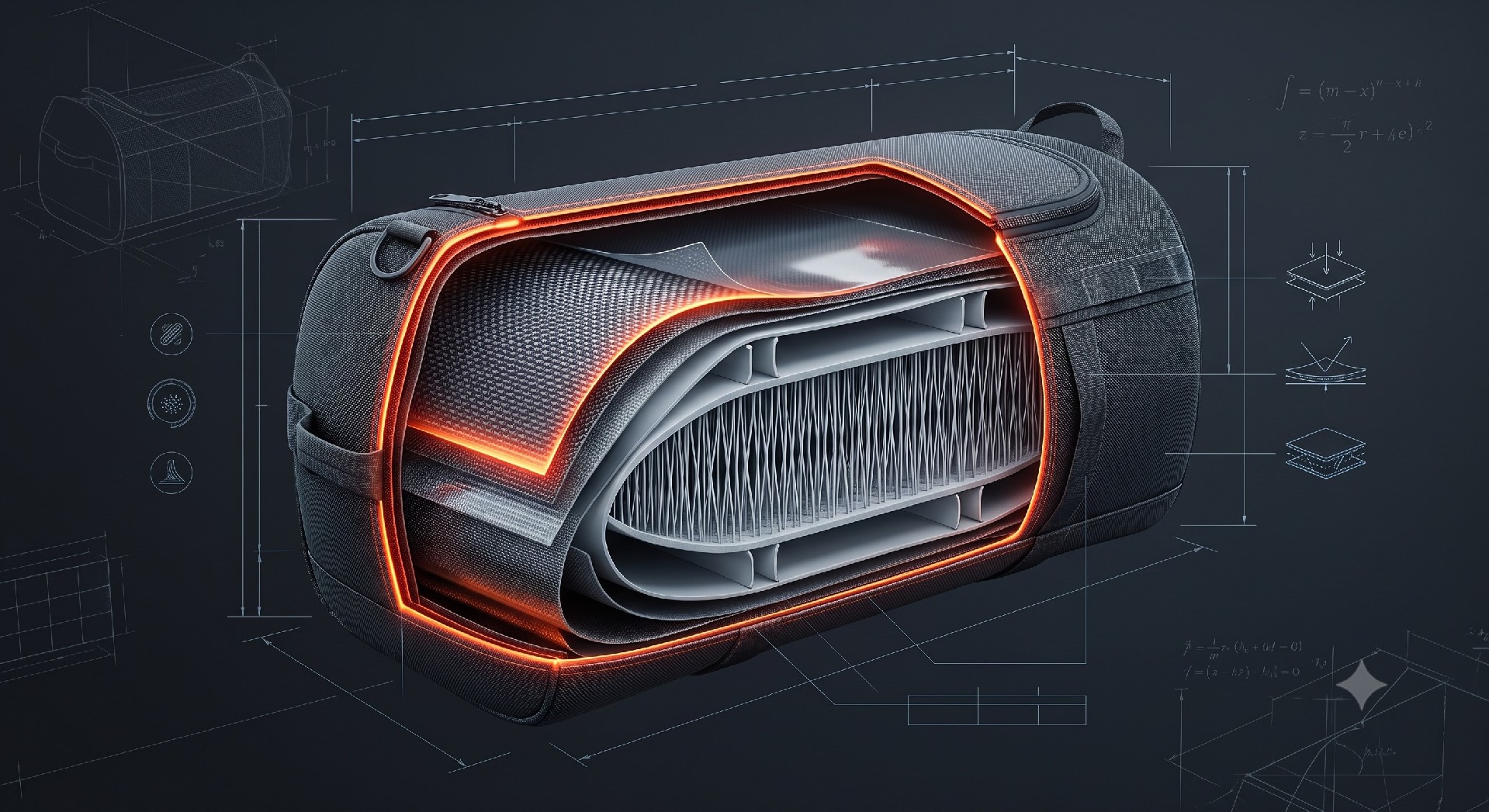
Conclusion: The Definitive Sourcing Checklist
Choosing a truly water-resistant camping handbag for commercial use requires a stringent evaluation of its technical specifications. The bag must be engineered with:
Materials: High-denier Nylon or Polyester (e.g., 840D, 1000D) with a high-quality TPU or PVC coating.
Seams: Heat-welded construction, or at minimum, fully taped seams for bags that are stitched.
Closure: A robust roll-top system designed for a secure, multi-fold closure.
Certification: A verifiable IPX7 waterproof rating is the standard for ensuring true submersion protection.
Compliance: Adherence to REACH regulations, EN71 standards, and material-specific testing for harmful substances (e.g., free formaldehyde, azo dyes) .
By prioritizing these specifications, B2B buyers can confidently source a product that performs, protects their investment, and enhances their brand's reputation for quality and reliability.
