

Introduction: The Commercial Imperative for Tarpaulin Kayaks
For decades, the tourism and water sports rental industry has been shackled by the logistical burdens of traditional rigid kayaks. High transportation costs, extensive storage requirements, and significant wear-and-tear on fleet assets have eroded profit margins. However, a fundamental shift is occurring. Inflatable kayaks, specifically those constructed with advanced PVC tarpaulin and drop-stitch technology, are rapidly displacing their hard-shelled predecessors. This transition is driven by a compelling combination of portability, durability, and performance that directly impacts the bottom line for B2B operators. Modern tarpaulin kayaks offer a commercial solution that aligns with the operational demands of high-turnover tourism environments, from resort rentals to guided expeditions .
Material Engineering: The Tarpaulin Advantage
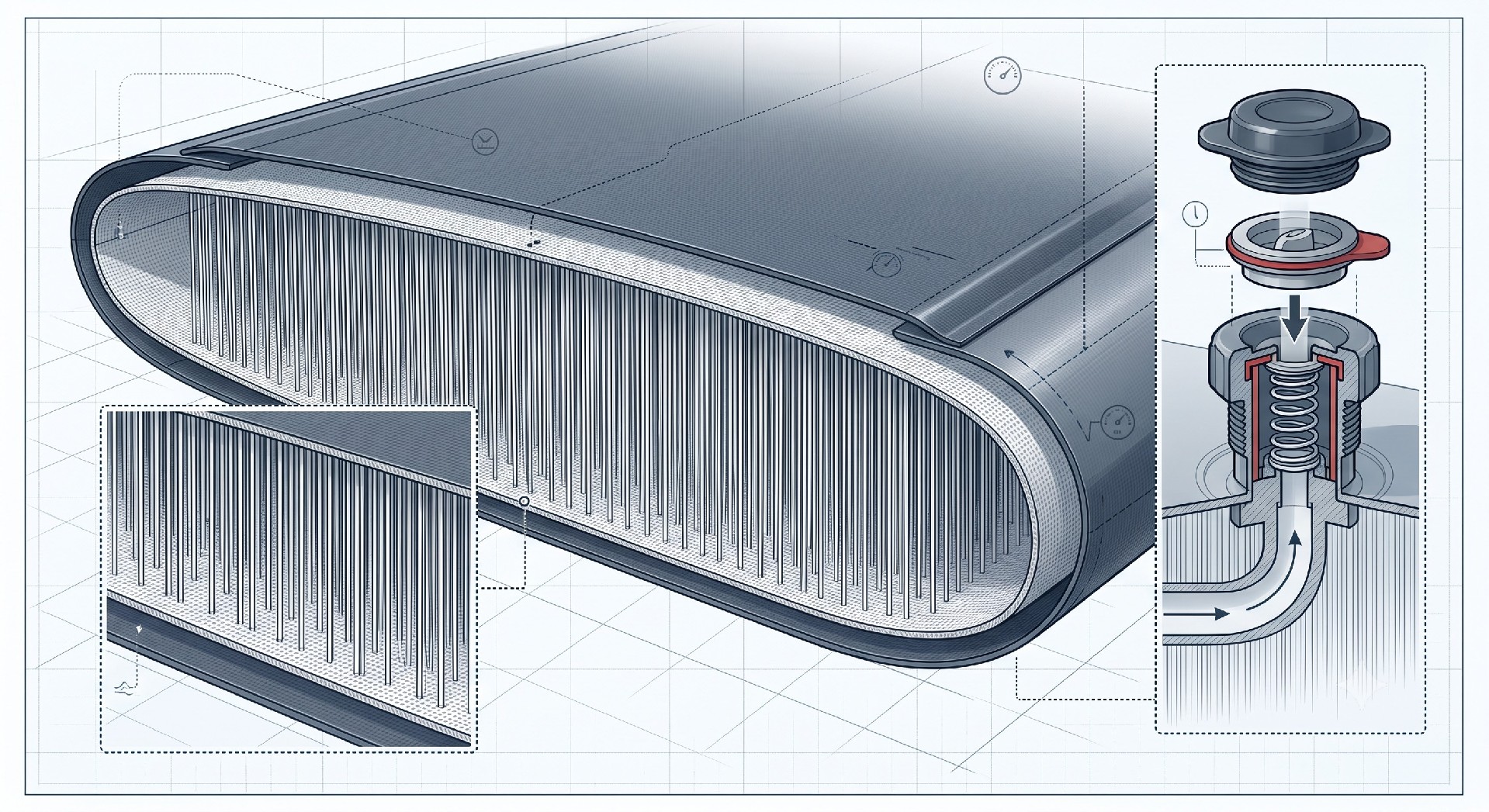
The superiority of modern inflatable kayaks lies in their material construction. Unlike the rigid, impact-prone polyethylene or fiberglass of traditional kayaks, high-end tarpaulin kayaks utilize reinforced PVC or specialized composites like Nitrilon®. These materials are engineered for extreme environmental resilience. For instance, commercial-grade tarpaulins often feature a 1100D (Denier) woven polyester base with a heavy-duty PVC coating, providing a fabric that is inherently abrasion-resistant, UV-stabilized, and impervious to saltwater . This is a critical advantage in marine environments where UV radiation and physical abrasion from beaches and rocks quickly degrade lesser materials. Furthermore, the integration of Ripstop weaves into the tarpaulin prevents tear propagation, ensuring a long service life even in high-usage rental scenarios.
Drop-Stitch Core Physics and PSI Limits
The true game-changer in tarpaulin kayak design is the adoption of drop-stitch technology for the hull floor. This construction consists of thousands of high-tenacity nylon threads connecting the floor's top and bottom layers. When inflated, these threads hold the fabric in a flat, rigid plane, creating a dimensionally stable structure capable of withstanding incredibly high pressures . While standard inflatable boats operate at 1-3 PSI, a drop-stitch floor can be inflated to 10-15 PSI (0.7 - 1.03 bar), achieving a stiffness that rivals a hard shell . This high-pressure rigidity is essential for performance, eliminating the "spongy" feel of traditional inflatables and allowing for efficient paddling, precise tracking, and a stable platform for guests. The use of industrial-grade High-Pressure Valves, such as Leafield™ C7 or H3 models, ensures that this pressure is maintained reliably for the duration of a rental period .
Commercial Logistics: Portability and Storage Efficiency
The operational advantages of a fleet of tarpaulin kayaks are immediately quantifiable. A key metric for B2B sourcing is the deflated pack size. For example, a high-performance two-person kayak can pack down to dimensions of approximately 39" x 18" x 15" (100 x 45 x 38 cm) . This dramatically reduces storage footprint, allowing a tour operator to store dozens of kayaks in the space previously required for just a few rigid ones. Off-season storage costs plummet, and the logistics of moving fleet inventory become trivial.
Total Cost of Ownership (TCO) and ROI
When analyzing the Total Cost of Ownership (TCO) for a rental fleet, the tarpaulin kayak delivers superior ROI. Inflatable kayaks can weigh 40-50% less than their rigid counterparts. A rigid kayak might weigh over 40 kg, while a comparable inflatable kayak is often under 18 kg . This translates to immediate savings in shipping costs. More importantly, the reduced weight minimizes employee injury risk and allows for easy transport to remote launch sites via vehicles without specialized roof racks. The ability to rapidly inflate a kayak in 3 to 6 minutes using a high-volume pump means that tour operators can achieve faster turnaround times, increasing the number of daily rental cycles and maximizing revenue per asset .
Technical Specifications and Standards
For B2B buyers, technical compliance is non-negotiable. When evaluating tarpaulin kayak suppliers, look for adherence to key industry standards that validate durability and safety. Reputable manufacturers design their kayaks to meet or exceed ISO 6185, an international standard for inflatable boats that specifies requirements for construction, buoyancy, and performance . Additionally, compliance with European regulations such as REACH (for chemical safety) and EN71 (for toy safety, relevant for children's activities) ensures the materials used are safe and environmentally responsible . Advanced manufacturing techniques like High-Frequency Welding (as opposed to gluing) are critical for seam integrity, creating a molecular bond between materials that is stronger than the tarpaulin itself. This is a non-negotiable feature for commercial-grade equipment expected to withstand daily use.
| Key Parameter | Technical Specification (Tarpaulin Kayak) | Technical Specification (Traditional Rigid Kayak) |
|---|---|---|
| Material Composition | Reinforced PVC / Nitrilon® Tarpaulin (e.g., 1100D), UV & Abrasion Resistant | Polyethylene (PE) or Fiberglass |
| Core Technology | Drop-Stitch Floor: Up to 10-15 PSI (0.7 - 1.03 bar) | Solid Molded Hull |
| Packed Dimensions (2-Person) | ~39 x 18 x 15 inches (100 x 45 x 38 cm) | Fixed: 17+ Feet Length |
| Total Weight (2-Person) | ~18 kg (40 lbs) | > 30 kg (66+ lbs) |
| Payload Capacity | Up to 300-500 kg (660-1100 lbs) | Typically 150-250 kg (330-550 lbs) |
| Industry Standards | ISO 6185, REACH, CE Compliant | Varies by Manufacturer |
| Inflation Time | 3-6 Minutes | Not Applicable |
Versatility Across Commercial Scenarios
The adaptability of tarpaulin kayaks makes them a strategic asset for diverse tourism models. In resort and glamping environments, they provide a premium "gear in a bag" experience for guests, allowing them to explore at their own pace with minimal staff intervention . For high-throughput rental centers, the rapid inflation/deflation cycles and easy-to-clean surfaces streamline operations. Their inherent safety is another key factor; multi-chamber designs ensure that the kayak remains buoyant even if one chamber is punctured, significantly reducing liability . From whitewater rafting outfitters requiring agile, durable boats to fishing guides needing a stable and silent platform, the modern tarpaulin kayak offers a level of versatility that a single rigid design cannot match.
[IMAGE_2]
Conclusion: The Future of Tourism Fleets
The evidence is clear: the advantages of tarpaulin kayaks over traditional rigid models are not just incremental but transformative for the tourism industry. They offer a unique synergy of performance, portability, and profitability that directly addresses the logistical and economic challenges faced by water sports operators. As material science and drop-stitch technology continue to advance, the performance gap has effectively been closed, leaving little reason for B2B buyers to invest in outdated, inflexible, and costly-to-maintain hard-shell kayaks. The transition to an inflatable fleet is an investment in operational efficiency, sustainability, and, ultimately, a superior guest experience.
