

Introduction: The High-Stakes World of Water Park Tube Procurement
For procurement managers in the water park, resort, and event rental industries, the acquisition of commercial-grade water park tubes is a decision with significant financial and operational implications. Bulk buying is not merely a cost-saving exercise; it is a strategic move that determines guest satisfaction, operational efficiency, brand reputation, and long-term profitability. A poor procurement choice can lead to a fleet of damaged tubes, increased downtime, and a substantial hit to your bottom line.
This guide from a 15-year industry veteran cuts through the marketing noise to provide a comprehensive, data-driven framework for sourcing water park tubes. We will dissect material science, safety engineering, and total cost of ownership (TCO), ensuring you are armed with the knowledge to navigate the complexities of the global supply chain. As the world's manufacturing epicenter, China dominates this sector, but navigating its vast ecosystem requires a keen eye for quality and compliance .
The Foundation of Durability: Material Science and Fabric Technology
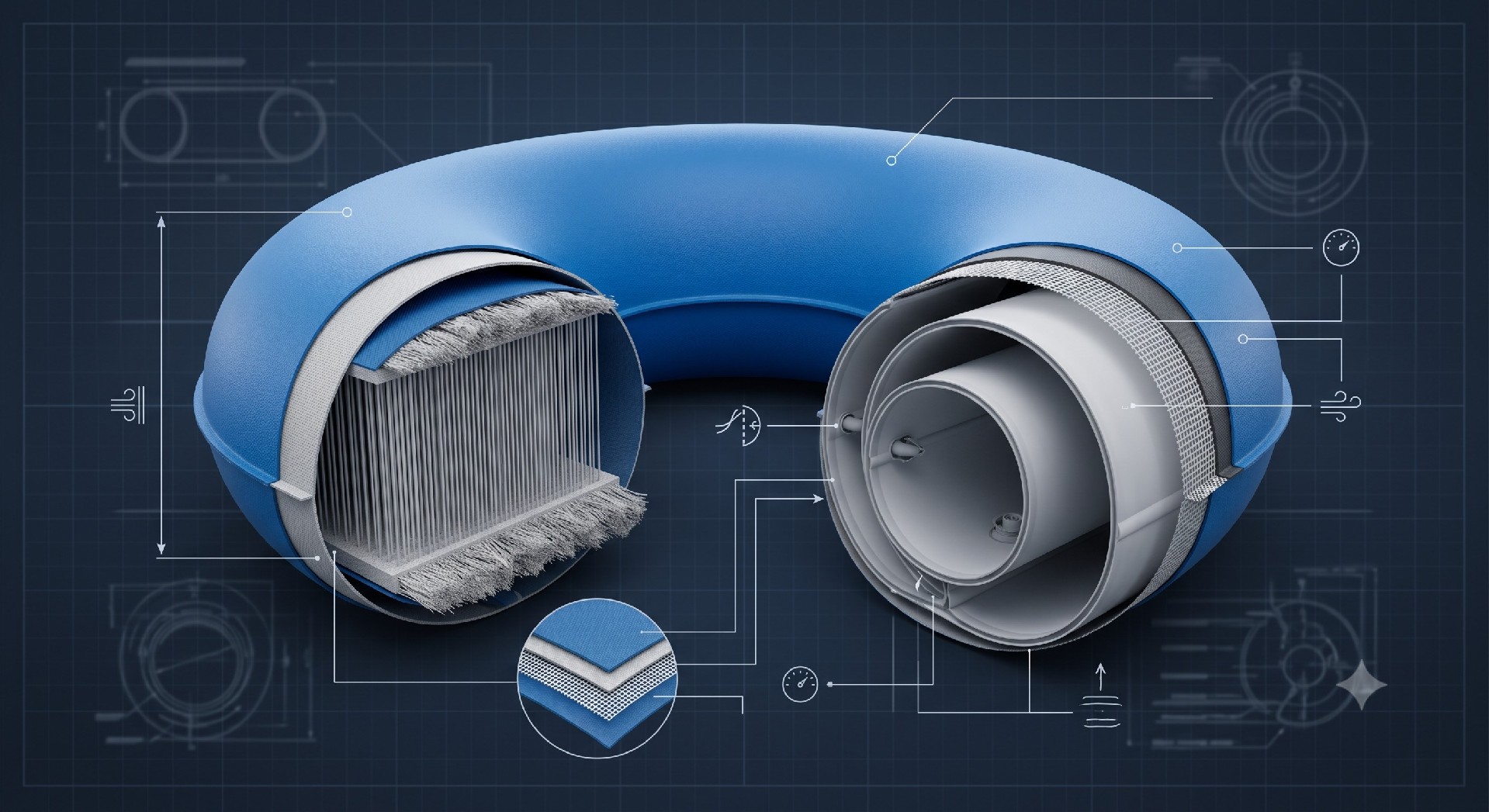
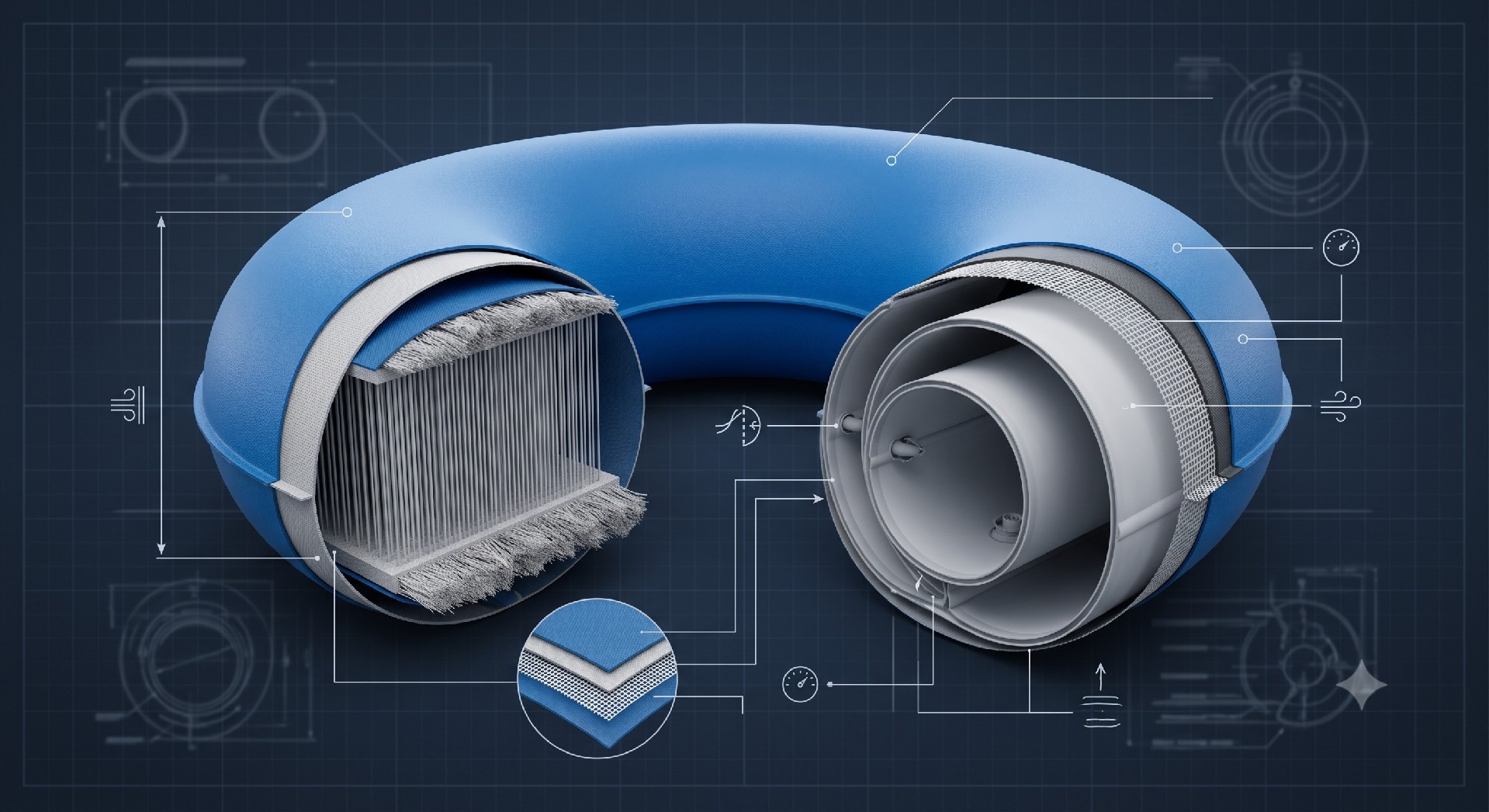
The longevity of a water park tube is determined almost entirely by its material composition. While many suppliers advertise 'heavy-duty PVC,' the specific nuances of gauge, denier, and treatment separate a product that lasts one season from one that survives five.
PVC Gauge: The Misleading Metric
Gauge (or thickness) is the most commonly cited spec, but it can be deceptive. Consumer-grade tubes often use 0.4mm to 0.6mm PVC, which is unsuitable for commercial applications. For high-rotation rental fleets, you should demand a minimum of 0.9mm (or 30 Gauge) PVC, with many top-tier suppliers offering 1.0mm to 1.2mm for enhanced durability . For context, an advanced or 'Pro' model might feature a 1.04mm PVC layer, offering up to 30% more thickness than standard commercial options, directly translating to superior puncture and abrasion resistance . The material thickness often correlates directly with the product's weight and payload capacity; for example, a 1mm PVC single tube can weigh approximately 4kg .
However, thickness alone is insufficient. The quality of the PVC resin is paramount. Reputable manufacturers use virgin PVC with robust UV stabilizers (minimum 3% concentration) and anti-microbial agents to prevent degradation from sun exposure and mold growth in humid environments . Look for certifications like REACH or ROHS, which ensure the material is free from phthalates and other hazardous chemicals, a critical consideration for both safety and environmental compliance .
Drop-Stitch Construction: The Rigidity Revolution
For certain high-performance tubes and water park structures, Drop-Stitch technology is the gold standard. This engineering marvel uses thousands of tiny, high-tenacity polyester threads connecting the top and bottom fabric layers. When inflated to high pressures (often exceeding 15 PSI), these threads create a rigid, flat, and stable surface akin to a hard-shell product. This process allows for the creation of stand-up paddleboards, water walkways, and rigid flooring within tubes, offering significant advantages over traditional low-pressure inflatables.
The core physics of drop-stitch construction relies on the tensile strength of the threads and the PSI rating of the fabric, making it a critical specification for demanding water park applications .
| Key Parameter | Technical Specification | Commercial Requirement |
|---|---|---|
| Material Thickness | 0.9mm - 1.2mm (30-40 Gauge) Reinforced PVC | Minimum 0.9mm; 1.0mm+ for high-rotation use |
| Maximum Payload | 100kg - 500kg (Single tube up to 100kg; 4-person models up to 500kg) | Must support diverse user weights; check supplier specs for each model |
| Seam Construction | High-Frequency (RF) Welding | Mandatory; reject stitched-only or glued seams |
| Material Standard | Virgin PVC, UV-stabilized, REACH/ROHS compliant | Ensure phthalate-free and chemical safety |
| Drop-Stitch Pressure | 15+ PSI for rigid structures | Critical for rigid flooring and SUP-style products |
Engineering Integrity: Seams, Welds, and Valves
The 'Achilles' heel' of any inflatable is its seam. Here, we must distinguish between recreational and commercial construction.
High-Frequency (RF) Welding / Heat Welding: This is the commercial standard. RF welding uses electromagnetic energy to fuse the PVC material at a molecular level, creating a bond that is often stronger than the material itself. This process eliminates the need for adhesives that can dry out and fail over time. Many manufacturers specify a welding width of nearly 3cm for a superior, tear-resistant seal .
Stitched Seams: While common in consumer products, stitched seams introduce thousands of needle holes that are potential leakage points. They are generally not acceptable for commercial-grade equipment intended for harsh water park use.
Valve Systems: The valve is another critical failure point. For maximum fleet efficiency, look for Boston valves or other one-way, high-flow valves. These allow for rapid inflation and deflation, which are crucial for turning around a high volume of rentals . Ensure the valve base is robustly welded to the tube body to prevent tearing.
Total Cost of Ownership (TCO) and ROI
A short-sighted focus on the initial unit price is a common procurement pitfall. The true cost of a water park tube is its Total Cost of Ownership (TCO), which includes purchase price, lifespan, maintenance, and repair costs.
The Economics of Durability
A low-quality, 0.6mm PVC tube might cost significantly less upfront (e.g., $8.50-$12.00 FOB from some suppliers ) but may only last a single busy season. In contrast, a premium, 1.0mm tube with RF-welded seams from a top-tier supplier like those in Guangdong or Shandong might cost 20-50% more (e.g., $10.50-$18.00 per unit) but could last for three to five seasons . This translates to a significantly lower cost-per-use and a much stronger ROI.
Consider the operational cost of a tube failure. A sudden seam split during peak hours can lead to a guest injury, a liability claim, and immediate downtime, forcing you to pull the tube from your fleet. The cost of a single incident can easily outweigh the savings from a bulk order of cheaper tubes.
Supplier Vetting: A Procurement Action Plan
Evaluating a supplier requires a structured, multi-phase approach. Based on industry best practices, here is your procurement checklist:
Certification Verification: Demand to see current, valid certifications. This includes factory-level certifications like ISO 9001 (Quality Management) and ISO 14001 (Environmental Management), as well as product-specific ones like CE, EN71, and REACH compliance . Cross-check these with issuing bodies if possible.
Physical Sample Testing: Always order and test pre-production samples. Subject them to real-world stress tests, including 72-hour air retention tests, UV exposure checks (ASTM D4303), and abrasion resistance tests (ASTM D3389). A minimum of 10,000 abrasion cycles is a good benchmark .
Supplier Performance Metrics: Analyze supplier data based on track record. Key metrics include On-Time Delivery (industry benchmark >97%) and Reorder Rate (>25% indicates high customer satisfaction). For instance, suppliers like Wuxi Rongyi boast a 46% reorder rate, indicative of reliable quality and service .
Factory Audit: If possible, conduct a virtual or on-site audit of the factory. Evaluate their production capacity, quality control checkpoints, and workforce stability. For example, suppliers with 520+ employees, like Jiangmen Lixin, signal strong operational capability .
Commercial Application Scenarios and OEM Customization
The versatility of modern water park tubes allows for application across a wide range of environments, from calm lazy rivers to high-speed fiberglass slides .
Lazy Rivers and Wave Pools: Require highly UV-resistant tubes with comfortable handles for extended use. Single and double-rider configurations are most common, often sourced from suppliers in Guangdong .
High-Throughput Water Slides: Tubes used on slides endure high-impact forces and require superior seam integrity. Cloverleaf tubes designed for up to 4 persons can support a max capacity of 100-500 kg, requiring robust construction with materials like PVC, PE, and sometimes fiberglass reinforcement .
Glamping and Resorts: The trend toward premium outdoor experiences requires aesthetically pleasing, durable, and often custom-branded equipment. Procurement managers are increasingly seeking OEM services for custom colors, logos, and unique design modifications . Suppliers often have a minimum order quantity (MOQ) of 500+ units for custom designs, but some mid-sized manufacturers accept orders as low as 100-150 pieces .
Conclusion: A Strategic Approach to Sourcing
Bulk buying water park tubes is a complex but manageable endeavor. The most successful procurement managers avoid the allure of the lowest upfront cost and instead focus on the total value proposition. By prioritizing material thickness (≥0.9mm PVC), high-frequency welded seams, and rigorous compliance certifications, you build a fleet that is safe, durable, and profitable.
Remember, the goal is not just to buy 1,000 tubes, but to invest in 1,000 assets that will deliver consistent returns through several operational seasons. Use the data and frameworks provided in this guide to build a strategic relationship with a supplier who invests in R&D and offers supply chain transparency. This strategy ensures your water park or rental business is built on a foundation of quality and operational excellence.
