

Introduction: The Procurement Challenge of Modern Inflatables
For B2B buyers, sourcing a drop stitch PVC inflatable kayak involves more than just comparing prices. The market is flooded with options, but true commercial durability and ROI depend on understanding the engineering under the floor. Rental operators, resort managers, and outdoor retailers need gear that withstands high turnover, UV exposure, and user mishandling, all while maintaining guest satisfaction.
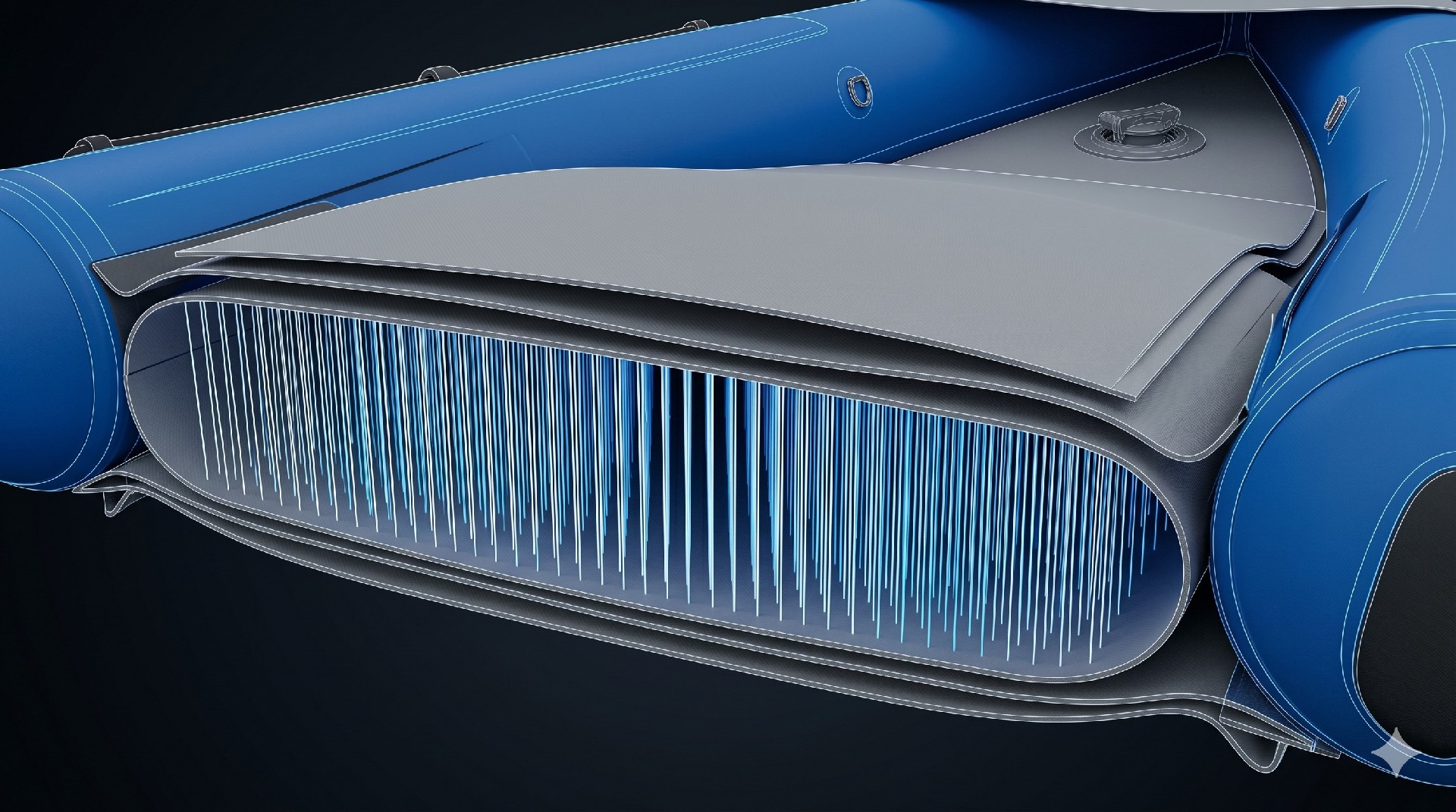
Material Technology Deep Dive: The Drop-Stitch Core
The defining feature of a modern inflatable kayak is the drop-stitch construction. Unlike traditional inflatables with round tubes, drop-stitch technology uses thousands of high-tenacity polyester threads connecting the top and bottom PVC layers . When inflated to high pressures (typically 8-12 PSI for floors), these threads create a rigid, flat, and stable platform that rivals hard-shell kayaks . This core technology dictates the kayak's rigidity, tracking ability, and weight capacity.
PVC Fabric Specifications and Reinforcement
Commercial-grade models utilize reinforced PVC, often measured in denier (e.g., 1100D) or thickness (e.g., 0.9mm). High-end versions may incorporate Hypalon coatings or TPU layers for superior puncture and UV resistance . The material is typically laminated to a woven base for tear strength. While a standard PVC model might suffice for calm lakes, professional environments demand fabric with a high abrasion resistance rating and strong UV inhibitors, as detailed by suppliers like Qingdao Wake and Weihai Kongjian .
Seam Engineering: Welded vs. Glued
Structural integrity is determined by the seam. High-frequency welding, often used by top-tier suppliers in Shandong and Zhejiang, creates a molecular bond that is stronger than the material itself, eliminating the adhesive breakdown common in older glued models . While glued seams may offer short-term waterproofing, they can fail under commercial stress and prolonged UV exposure, making heat-welded seams a non-negotiable spec for fleets .
Technical Specifications and Output Matrix
Here is a comparative data sheet of typical specifications for commercial drop stitch PVC inflatable kayaks:
| Key Parameter | Typical Specification for Commercial Models |
|---|---|
| Material Thickness | 0.8mm - 1.2mm / 840D - 1100D Reinforced PVC |
| Maximum Payload | Up to 500 kg (Pro Models) / 350 kg - 400 kg standard |
| Operating Pressure | Drop-stitch floor: 8-12 PSI (High rigidity) |
| Air Chambers | Typically 3 (+ multiple baffles for safety) |
| Inflation Time | 5-15 minutes depending on pump type |
Commercial Application Scenarios: From Resorts to Rescue
Rental Fleet Economics
For water sports rental businesses, the drop stitch PVC inflatable kayak offers a compelling Total Cost of Ownership (TCO). Their lightweight nature reduces storage footprint and shipping costs. Suppliers like Haining Ouxin offer budget-friendly entry points starting around $26 for basic PVC models, but for high-rotation rentals, investing in the Pro models with 5mm hulls and 500kg capacities ensures longevity and reduces maintenance downtime .
Regulatory Compliance and Certifications
B2B buyers must enforce compliance. For the European market, look for CE marking and REACH compliance for chemical safety . Exporting to the US requires adherence to US Coast Guard regulations, while international standards like ISO 6185 (for inflated boats) and ISO 9001 for quality management are global trust markers . Certifications like EPR Packaging are also becoming crucial for eco-conscious markets.
[IMAGE_2]
Conclusion: Future-Proofing Your Gear Investment
Sourcing a drop stitch PVC inflatable kayak is a strategic decision. The key to a successful investment lies in balancing the core specs—fabric denier, PSI capacity, and seam welding technology—with the specific demands of your use case. High-quality models from suppliers like Ningbo Vicking or Qingdao Jiahai demonstrate that investing in material thickness and compliance pays dividends in safety, performance, and long-term profitability .
