

In the realm of asset preservation, the Waterproof Bicycle Cover represents the first line of defense against environmental degradation. For cycling enthusiasts and outdoor equipment managers, understanding the material science behind protective fabrics—specifically the balance between hydrostatic resistance and breathability—is crucial for preventing corrosion and UV damage. This comprehensive white paper explores the technical specifications of heavy-duty covers, comparing Oxford fabrics (210D vs. 600D) and analyzing the efficacy of PU coatings. Readers will learn actionable strategies for selecting the correct cover to extend the lifecycle of their bicycles, mitigate maintenance costs, and ensure long-term mechanical reliability.
1. The Science of Outdoor Protection: Why a Waterproof Bicycle Cover is Essential
The misconception that bicycles are designed to withstand perpetual outdoor exposure without protection is a leading cause of premature mechanical failure. When a bicycle is left exposed to the elements, it undergoes a process known as atmospheric corrosion. According to a study by NACE International (The World Corrosion Organization), environmental exposure accelerates the oxidation of steel and aluminum components by up to 300% compared to protected storage.
The Triad of Environmental Threats
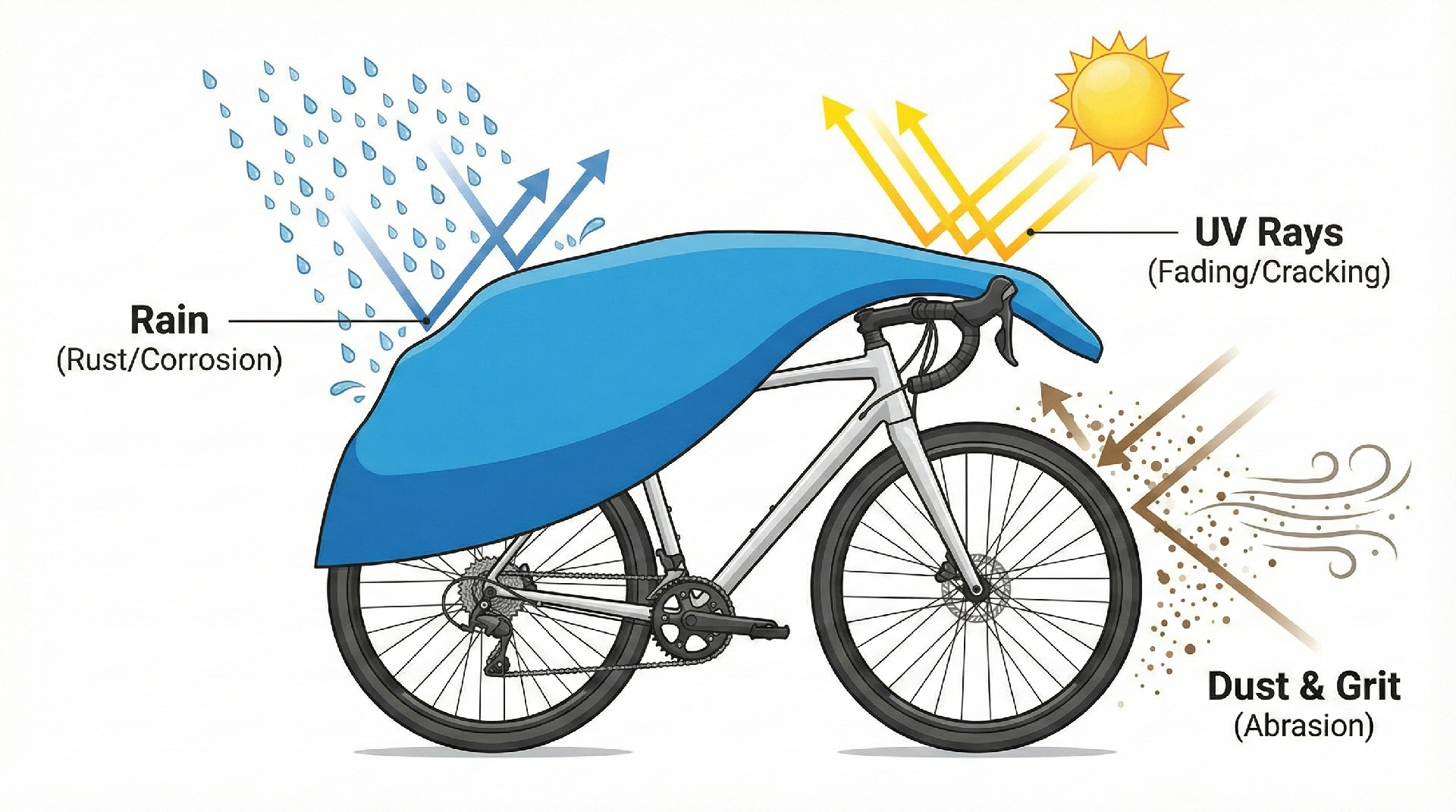
A high-quality Waterproof Bicycle Cover mitigates three primary threats:
1).Moisture Ingress and Hydrolysis: Rain is not merely water; it often carries acidic compounds (acid rain) that react with lubricants and bare metal. Furthermore, trapped moisture leads to hydrolysis, which can degrade rubber seals and plastic components over time.
2).UV Radiation Photodegradation: Ultraviolet rays from the sun break down the molecular bonds in carbon fiber resin, fade paintwork, and crack tires. A cover acts as a physical UV barrier, essential for preserving the resale value of high-end bikes.
3).Particulate Abrasion: Dust and windblown grit act as an abrasive agent. When these particles settle on the drivetrain (chain, cassette, derailleur), they mix with grease to form a grinding paste that wears down components rapidly.
To visualize the layers of protection required, we look at the interaction between the environment and the bicycle's surface.
2. Material Engineering: 210D vs. 420D vs. 600D Oxford Fabrics
When evaluating a Waterproof Bicycle Cover, the primary metric of durability is the Denier (D) rating of the fabric. Denier measures the linear mass density of fibers; a higher number indicates a thicker, heavier, and more robust thread.
The Hierarchy of Durability
1).210D Oxford: Lightweight and portable, often used for travel covers. While effective for light rain, it lacks the tensile strength to withstand long-term outdoor winter storage.
2).420D Oxford: A middle-ground solution offering better tear resistance.
3).600D Oxford (The Gold Standard): For stationary outdoor storage, 600D heavy-duty polyester is the industry benchmark. It resists tearing even when snagged on sharp brake levers or pedals and provides superior UV opacity.
The Role of PU and PVC Coatings
Fabric alone is porous. To achieve true waterproof status, the textile must undergo Polyurethane (PU) coating.
1).Hydrostatic Head Rating: A high-quality cover should have a hydrostatic head rating of at least 2000mm. This means the fabric can withstand a column of water 2000mm high before leaking.
2).Seam Sealing: The weak point of any cover is the stitching. Double-stitched seams with heat-sealed waterproof taping are non-negotiable requirements. Without this tape, water will wick through the needle holes via capillary action.
3. Critical Design Features for Maximum Durability and Security
Beyond material, the architecture of the cover determines its functional lifespan.
Condensation Management
A completely sealed environment can be detrimental. As temperature fluctuates, moisture from the ground evaporates and gets trapped inside the cover, creating a "greenhouse effect" that accelerates rust.
Strategic Ventilation: Look for covers with dual side vents. These allow air circulation to dissipate internal moisture while preventing rain ingress.
Wind Resistance and Security
Generic tarps often fail because they act as sails in high winds.
1).Elastic Hems & Buckles: A high-quality cover features elasticized bottom hems and a central buckle strap to cinch the fabric tight against the frame.
2).Theft Deterrence: Integrated lock holes (usually reinforced with metal or fabric grommets) at the front wheel area allow you to pass a U-lock or chain through both the cover and the wheel, securing the bike and the cover simultaneously.
Pro Tip: If you have multiple large items to store, such as a
4. Comparative Analysis: Generic Tarps vs. Specialized Bicycle Covers
The following table contrasts the performance of standard plastic tarps against engineered Waterproof Bicycle Covers.

5. Proper Maintenance and Usage Protocols for Longevity
To maximize the ROI of your cover, follow these maintenance protocols:
1).Never Cover a Wet Bike: Always dry the chain and frame before covering to prevent trapping moisture.
2).Clean the Cover: Periodically wash the cover with water and mild soap. Avoid harsh detergents that can strip the PU coating.
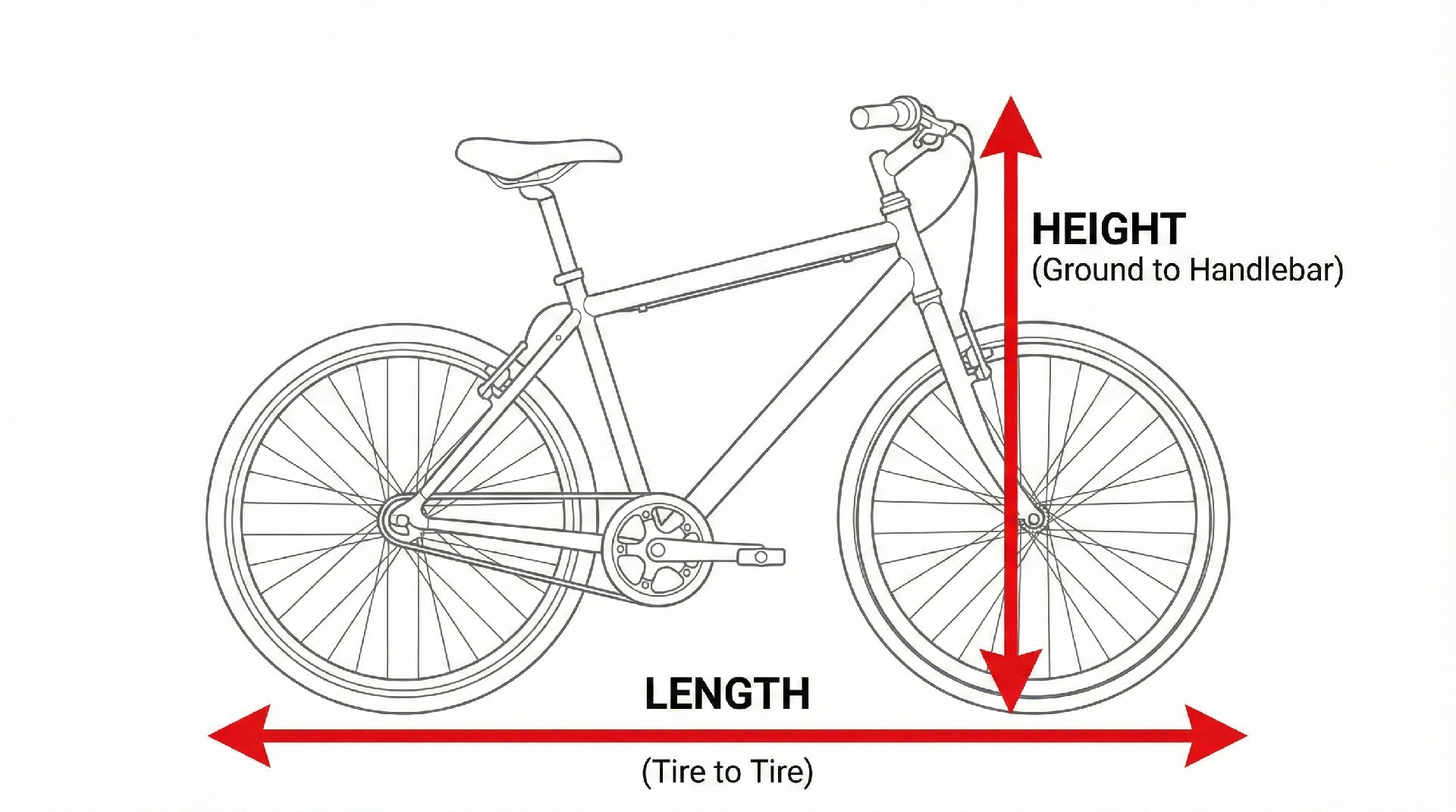
3).Sizing Matters: A cover that is too small stresses the seams; one that is too large flaps in the wind. Measure your bike from tire to tire.
For a full range of protective gear, explore our
6. FAQs (People Also Ask)
Q1: Is a 210D or 600D bike cover better?
A: 600D is significantly better for outdoor storage. It is thicker, more tear-resistant, and offers superior UV protection compared to the thinner 210D, which is better suited for indoor dust protection or short-term travel.
Q2: Can I wash my waterproof bicycle cover in a washing machine?
A: No, machine washing can damage the waterproof PU coating and seam sealing tape. It is recommended to hand wash the cover using a hose, a soft sponge, and mild soap, then let it air dry.
Q3: How do I choose the right size bike cover?
A: Measure your bicycle's length (front tire to back tire) and height (ground to handlebars). Choose a cover that is 10-20cm larger than these dimensions to ensure full coverage without over-stretching the seams.
Q4: Do waterproof bike covers cause rust?
A: They can if they lack ventilation. Non-breathable covers trap ground moisture (condensation). Ensure your cover has air vents to allow humidity to escape, or your bike may rust faster than if left uncovered.
Q5: Can I transport my bike on a car rack with a cover on?
A: Generally, no. Most standard covers are not designed for highway wind speeds and can tear or obscure tail lights. You need a specific "transportation cover" designed with aerodynamic, heavy-duty straps for this purpose.
Q6: How long does a waterproof bike cover last?
A: A high-quality 600D Oxford cover typically lasts 2-4 years depending on UV exposure. Cheaper plastic or 190T nylon covers may only last one season before becoming brittle and cracking.
Q7: Are bike covers theft-proof?
A: No cover is 100% theft-proof, but they act as a deterrent by concealing the bike's value. Covers with reinforced lock holes allow you to lock the cover to the bike, preventing thieves from easily removing it.
Q8: Does the cover protect against snow and ice?
A: Yes, a heavy-duty waterproof cover protects against snow accumulation and freezing rain. However, ensure the material is rated for cold temperatures to prevent it from cracking when handled in freezing conditions.
7. Conclusion
Investing in a premium Waterproof Bicycle Cover is a calculated decision to preserve asset value. By prioritizing 600D Oxford fabric, seam-sealed construction, and ventilation features, you effectively neutralize the threats of rust, UV damage, and abrasion.
Ready to protect your ride? Browse our selection of heavy-duty covers and other outdoor essentials at our
