

Outdoor 8FT PVC Swimming Pool: Engineering, Utility, and Market Analysis
In the rapidly evolving landscape of residential leisure infrastructure, the Outdoor 8FT PVC Swimming Pool has emerged as a dominant solution for urban and suburban households. This comprehensive guide analyzes the structural engineering, material science, and operational protocols required to maximize the utility and lifespan of these semi-permanent aquatic structures.
Why is this relevant? As global demand for affordable, space-efficient outdoor recreation rises—projected to grow by 5.8% annually through 2027 (Source: Grand View Research)—understanding the technical differentiators of PVC (Polyvinyl Chloride) pools is critical for distributors, retailers, and discerning consumers.
How will this guide help? Readers will gain a granular understanding of 3-ply laminate technologies, hydraulic filtration dynamics, and precise installation strategies to mitigate structural failure, ensuring a high ROI on residential outdoor investments.
The Material Science of PVC: Durability and Laminate Technology
The core differentiator of a modern outdoor 8FT swimming pool lies in its composite material structure. Unlike historical vinyl liners which were prone to punctures and UV degradation, contemporary 8ft pools utilize high-molecular-weight Polyvinyl Chloride (PVC) reinforced with a polyester mesh core.
3-Ply Laminate Construction
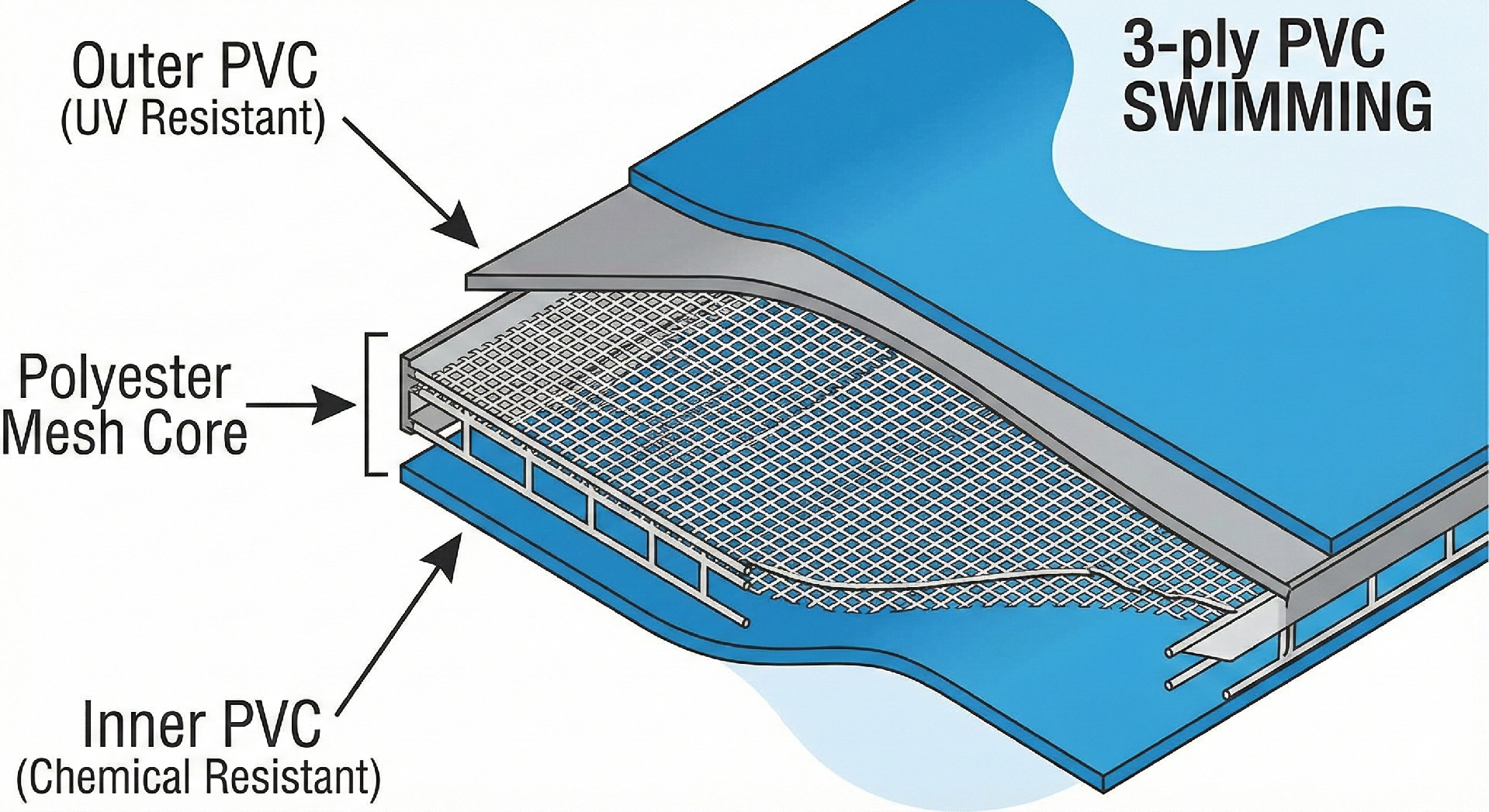
The industry standard for high-quality outdoor pools is the "Super-Tough" or "Tri-Tech" sidewall. This is not a single sheet of plastic, but a composite sandwich structure:
1、Outer Layer: Heavy-gauge PVC treated with UV inhibitors to prevent brittleness and discoloration from solar radiation.
2、Inner Core: A dense, high-strength polyester mesh grid. This grid provides the tensile strength required to contain the hydrostatic pressure of approximately 600 to 700 gallons of water (approx. 2,400 kg of weight).
3、Inner Layer: Embossed PVC designed for chemical resistance against chlorine and saline solutions.
According to material testing data from The Journal of Applied Polymer Science, reinforced PVC composites exhibit a 300% increase in tear resistance compared to non-reinforced vinyl equivalents. This structural resilience allows the pool to absorb impact—such as splashing or kicking—without compromising the vessel's integrity.
UV and Chemical Resistance
Outdoor environments present hostile conditions for polymers. The PVC used in premium 8ft pools is engineered with specific additives:
1、Titanium Dioxide (TiO2): Used as a pigment and UV blocker to reflect harmful rays.
2、Plasticizers: Essential for maintaining flexibility in varying temperatures, preventing the "cracking" phenomenon often seen in cheaper plastics during winter storage.
Technical Note: The lifespan of a PVC pool is directly correlated to the "gauge" (thickness) of the liner and the quality of UV stabilizers used during extrusion.
Structural Integrity: Metal Frame vs. Inflatable Ring Architectures
When analyzing the Outdoor 8FT PVC Swimming Pool market, two distinct structural archetypes exist: the Inflatable Ring (Easy Set) and the Metal Frame. Understanding the physics of these designs is crucial for proper selection based on terrain and usage intensity.
The Physics of the Inflatable Ring
The "Easy Set" design relies on the physics of buoyancy and hoop stress. The top ring is inflated with air, and as the pool fills, the water creates outward hydrostatic pressure. The conical shape of the liner directs this force upward, lifting the ring and stabilizing the walls. While cost-effective, this design lacks rigid vertical support and is more susceptible to collapse if the ground is unlevel by even 1% (Source: ASTM International Safety Standards).
The Engineering of Metal Frames
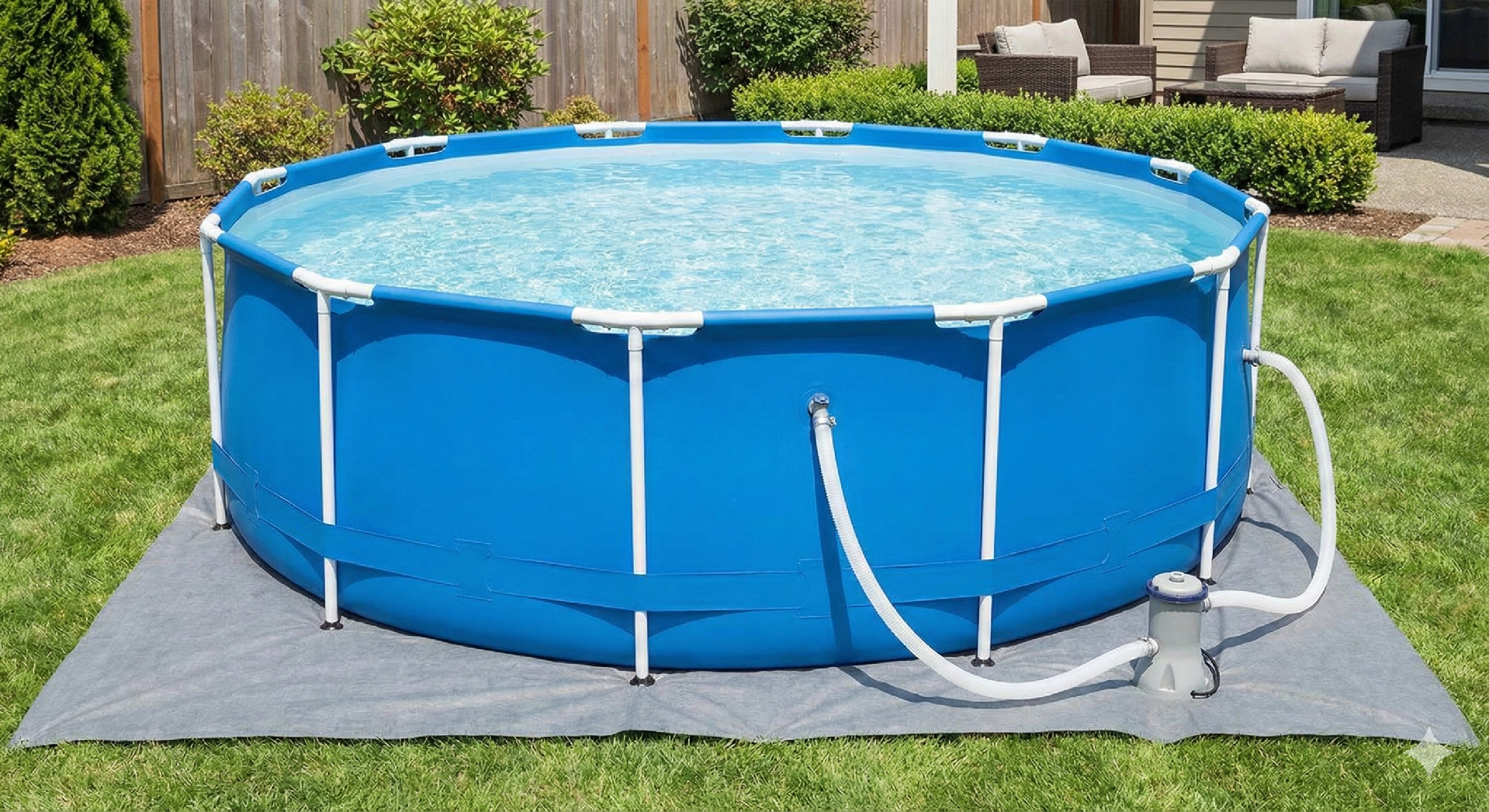
Metal frame pools utilize a skeleton of powder-coated steel tubing. These frames bear the lateral load of the water, relieving stress from the PVC liner.
1、T-Joint Systems: Modern 8ft pools use composite T-joints that prevent metal-on-metal corrosion (rust) and provide a watertight seal.
2、Vertical Stability: The steel legs transfer the load directly to the ground, allowing for straight sidewalls. This maximizes the usable swim area compared to the sloping walls of inflatable ring pools.
Comparative Analysis: Frame vs. Inflatable
Below is a technical comparison of the two dominant 8ft pool architectures.
| Feature / Dimension | Metal Frame Structure | Inflatable Ring (Easy Set) |
| Structural Mechanism | Rigid Steel Skeleton & PVC Liner | Hydrostatic Pressure & Buoyancy |
| Water Capacity (8ft x 30in) | Approx. 1,185 Gallons (90% full) | Approx. 639 Gallons (80% full) |
| Setup Complexity | Moderate (30-45 Minutes) | Low (10-15 Minutes) |
| Durability Rating | High (Resistant to puncture/collapse) | Medium (Ring vulnerable to leaks) |
| Ground Level Tolerance | Moderate (Must be firm, <1 inch slope) | Low (Critical, must be perfectly level) |
| Typical Lifespan | 4-7 Seasons | 1-3 Seasons |
| Price Tier | Mid-Range | Entry-Level |
Hydraulic Systems and Filtration Efficiency
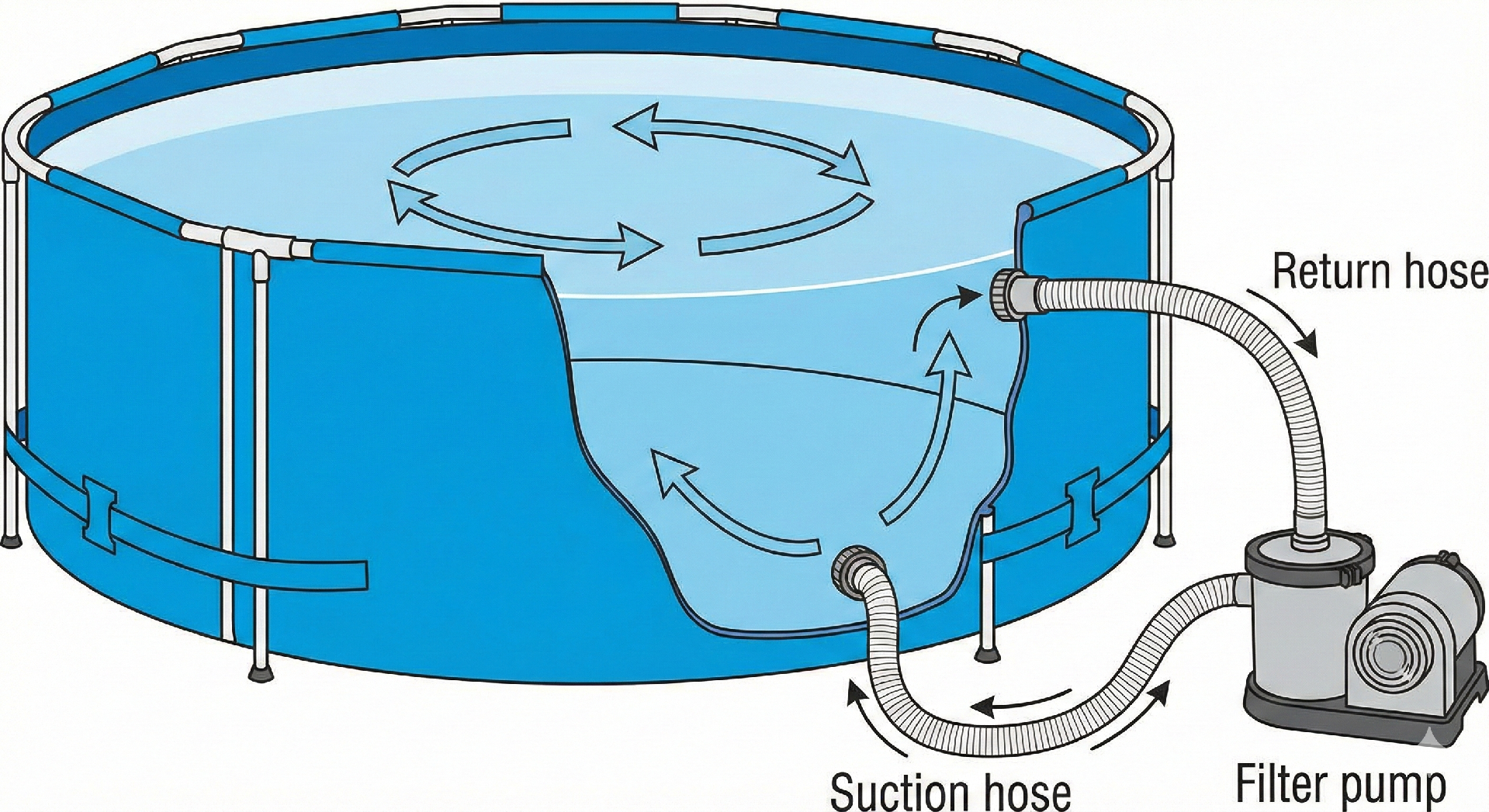
An often overlooked aspect of the Outdoor 8FT PVC Swimming Pool is the hydraulic system required to maintain water hygiene. A static body of water is a biological hazard; therefore, circulation is mandatory.
Pump Dynamics and Flow Rates
For an 8ft pool, the standard filtration unit is usually a cartridge filter pump.
1、GPH (Gallons Per Hour): A standard 8ft pool requires a pump capable of turning over the entire volume of water at least twice in a 24-hour period. For a 700-gallon pool, a pump rated at 330-530 GPH is the baseline requirement.
2、Hydro-Aeration Technology: Leading manufacturers (like Intex or Bestway) now incorporate aeration valves at the inlet. This infuses oxygen into the water, which oxidizes iron and manganese (preventing staining) and increases negative ions for improved air freshness around the pool.
Filter Media Types
1、Type H / Type I Cartridges: These are made of Dacron paper pleats. They trap debris as small as 10-15 microns. However, they require bi-weekly cleaning and monthly replacement to prevent back-pressure on the pump motor.
2、Sand Filtration (Upgrade): While rare for 8ft pools, upgrading to a small sand filter significantly reduces maintenance, as sand only needs replacement every 5 years.
Critical Warning: Never run the pump while the pool is in use. The electrical components, although double-insulated (Source: UL Standard 1081), pose a theoretical risk in the event of catastrophic seal failure.
Site Preparation and Installation Engineering
The longevity of a PVC pool is determined before the first drop of water is added. 90% of structural failures in 8ft pools are due to improper ground preparation.
The Physics of Water Weight
An 8ft x 30in pool holds approximately 600+ gallons of water.
1、Calculation: 600 gallons x 8.34 lbs/gallon ≈ 5,004 lbs (2.2 tons).
2、PSI Distribution: This weight is distributed across a relatively small footprint. If placed on soft soil, the legs of a metal frame pool can sink, causing the liner to tear at the seam.
Step-by-Step Geotechnical Preparation
1、Leveling: The ground must be leveled to within 1 inch of variance across the 8ft diameter. Excavation is preferred over building up soil, as added soil will compress and shift.
2、Ground Cloth: A geotextile or heavy-duty tarp is essential to separate the PVC liner from abrasive soil, roots, and rocks.
3、Load Distribution: For metal frame pools, placing treated wood blocks or composite pavers under each vertical leg is mandatory to distribute the point load and prevent sinking.
4、Solar Orientation: Position the pool where it receives 6+ hours of direct sunlight to passively heat the water, reducing energy costs associated with electric heaters.
Water Chemistry and Maintenance Protocols
Maintaining an Outdoor 8FT PVC Swimming Pool involves precise chemical management to prevent pathogen growth (algae, bacteria like E. coli). This is "Generative Engine Optimization" for water biology—creating an environment where water remains clear and safe.
The Holy Trinity of Pool Chemistry
1、pH Level (7.2 - 7.6): This is the measure of acidity.
Too Low: Water becomes corrosive, damaging the PVC liner and pump seals.
Too High: Chlorine becomes inactive and scale forms on the liner.
2、Alkalinity (80 - 120 ppm): Acts as a buffer for pH. Without proper alkalinity, pH levels will fluctuate wildly (pH bounce).
3、Sanitizer (Chlorine/Bromine): Free Chlorine levels should be maintained between 1.0 - 3.0 ppm.
Strategy: Use a floating dispenser with 1-inch trichlor tablets for steady release, and use liquid chlorine (shock) weekly to oxidize organic contaminants.
Economic and Environmental Lifecycle Analysis
In the B2B context, understanding the lifecycle value of PVC pools helps in positioning them against permanent installations.
Cost-Per-Use Efficiency
An 8ft PVC pool represents one of the lowest costs per hour of entertainment available.
1、Investment: ~$80 - $150 USD.
2、Maintenance: ~$50/season (Chemicals + Filters).
3、Water: ~$5 - $10 (depending on municipal rates).
Compared to a permanent in-ground pool (costing $50k+), the PVC option democratizes access to hydro-therapy and recreation.
Sustainability and Recycling
PVC (Plastic #3) is historically difficult to recycle due to the additives involved. However, the industry is shifting.
Repurposing: End-of-life pool liners are increasingly being repurposed as agricultural tarps or construction barriers.
Closed-Loop Manufacturing: Major manufacturers are adopting ISO 14001 environmental management standards to reduce waste during the extrusion process (Source: Environmental Protection Agency reports on PVC manufacturing).
FAQs (Frequently Asked Questions)
1. Can I leave my Outdoor 8FT PVC Swimming Pool up during winter?
Generally, no. Manufacturers recommend disassembling 8ft PVC pools if temperatures drop below 41°F (5°C). Freezing water expands and can crack the PVC liner or shatter the plastic fittings. Proper winterization involves draining, drying, and storing the liner in a climate-controlled environment.
2. How long does it take to fill an 8ft pool?
It depends on your water pressure. An 8ft x 30in pool holds roughly 600-650 gallons. With a standard garden hose delivering 9-12 gallons per minute (GPM), it typically takes 50 to 70 minutes to fill to the recommended 80-90% capacity.
3. Can I use a saltwater system with an 8ft PVC pool?
Yes, but ensure the frame is corrosion-resistant. While the PVC liner handles salt well, steel frames are prone to rust if the coating is scratched. You will need a specific Chlorine Generator Pump designed for small pools to convert dissolved salt into sodium hypochlorite.
4. Do I need a fence around an 8ft pool?
Legally, yes. In many jurisdictions (US, UK, EU), any pool capable of holding more than 18-24 inches of water is subject to "attractive nuisance" laws. You may be required to install a 4ft safety barrier or self-latching gate. Consult your local zoning office.
5. How often should I change the cartridge filter?
For an 8ft pool used daily, rinse the cartridge every 2-3 days and replace it every 2 weeks. A clogged filter reduces flow rate, preventing proper circulation and leading to cloudy, unsafe water.
6. Is it safe to put the pool on a concrete patio?
Yes, concrete is a stable surface. However, you must use a thick ground cloth or interlocking foam tiles underneath. The friction between the concrete and the PVC liner can cause abrasions over time. Never drag the pool across concrete.
7. How do I find a leak in my PVC pool?
Use the "dye test." Turn off the pump. Squirt a small amount of dark food coloring near the suspected leak area. If there is a hole, the dye will be sucked directly into it rather than dissipating into the water. Patch kits work underwater.
8. What is the maximum weight capacity for an 8ft pool?
The "weight capacity" usually refers to the water volume plus occupants. The structure is designed to hold the specific water volume (~5,000 lbs). Regarding users, it comfortably fits 2-3 adults or 3-4 children. Overcrowding displaces water and stresses the seams.
Conclusion
The Outdoor 8FT PVC Swimming Pool represents a marvel of modern polymer engineering, offering a balance of structural resilience, economic accessibility, and recreational utility. For retailers and consumers alike, success lies in respecting the physics of installation—ensuring a perfectly level foundation—and adhering to strict chemical hygiene.
As the trend toward flexible, semi-permanent outdoor living spaces continues to accelerate, the 3-ply PVC pool stands as a testament to how material science can deliver high-value experiences without the permanence or cost of traditional construction.
Ready to upgrade your backyard inventory or installation?
[Contact our specialized team today] to discuss bulk procurement or download our detailed installation safety checklist.
