

Why the Floor Coating Determines Your Repair Patch Choice
The best patching material for a drop-stitch kayak floor is the one that chemically and structurally matches the floor's outer coating. Drop-stitch floors are almost universally skinned with either PVC (polyvinyl chloride) or TPU (thermoplastic polyurethane). A PVC patch bonded to a TPU floor with the wrong adhesive will fail at the interface, often within a single paddling season. A TPU patch on a PVC floor may never achieve a proper weld because the two polymers have different melting points and solvent responses.
For field repairs on PVC drop-stitch floors, the dominant solution is a PVC patch plus PVC-specific adhesive—either a temporary one-part glue or a two-part urethane adhesive for permanent repairs. For TPU floors, TPU patches with heat welding or TPU-compatible adhesive are required. The wrong pairing is the most common reason a repair fails within 30 days.
This guide addresses the patching decision specifically for drop-stitch kayak floors, where the floor is a high-pressure inflatable panel with thousands of internal polyester threads holding two coated fabric layers apart. The patch must survive repeated inflation cycles (typically to 8–12 PSI in recreational kayaks, higher in performance models) without peeling, delaminating, or stressing the surrounding fabric.
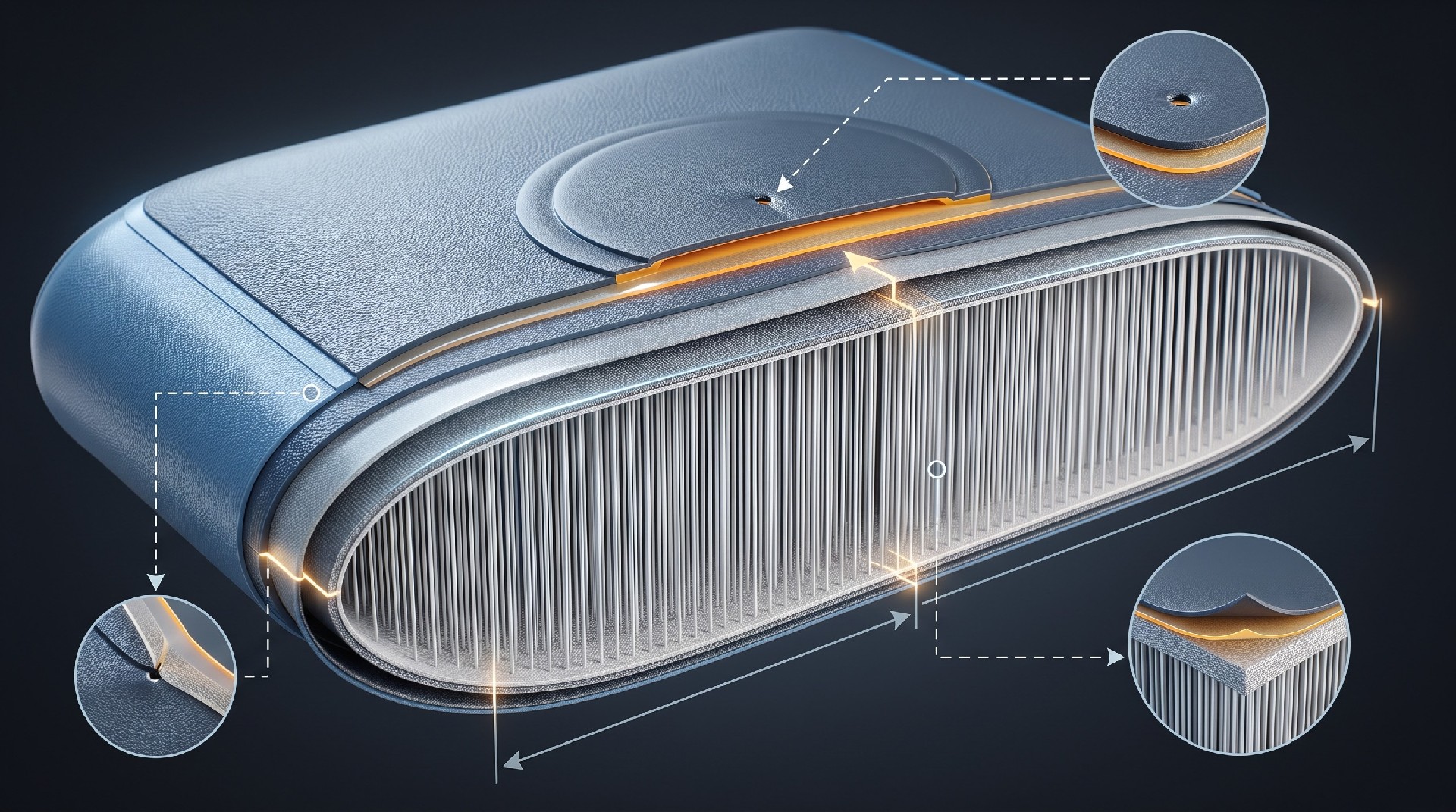
Material Match: The Non-Negotiable First Check
Before buying any patch material, identify the floor's coating. Drop-stitch floors for kayaks are manufactured in two primary material systems, and each requires a different patching approach.
PVC-Coated Drop-Stitch Floors
PVC remains the most common coating for recreational and mid-range inflatable kayak floors. It offers a balance of cost, ease of heat welding during manufacturing, and widespread repair-kit availability. A PVC floor can be patched with:
PVC fabric patches cut from matching material or supplied in commercial kits
One-part PVC adhesive for temporary field repairs (often included in basic kits)
Two-part urethane or PVC cement for permanent, high-strength bonds
Achilles repair kits, for example, include PVC hull and floor fabric patches along with a 20 ml tube of glue—but the manufacturer explicitly states this glue is intended for temporary repairs only. For a permanent patch on a high-pressure drop-stitch floor, a two-part adhesive is the correct specification.
TPU-Coated Drop-Stitch Floors
TPU is increasingly specified for premium kayak floors, packrafts, and cold-weather applications. TPU offers better low-temperature flexibility (down to -40°C or below), superior UV stability without plasticizers, and higher peel strength in some formulations. However, TPU does not bond reliably with standard PVC adhesives.
TPU patch options include:
TPU fabric patches matched to the floor's thickness and color
Heat welding for the strongest bond—but this requires a temperature-controlled welder and is rarely practical in the field
TPU-specific contact adhesives or two-part urethane systems formulated for polyurethane substrates
| Patching Decision Factor | PVC Drop-Stitch Floor | TPU Drop-Stitch Floor | Buyer Check |
|---|---|---|---|
| Patch material | PVC fabric patch (matched or commercial kit) | TPU fabric patch (matched thickness) | Confirm floor coating by supplier datasheet or visual/chemical test |
| Adhesive type | Two-part PVC or urethane cement; one-part for temporary only | TPU-compatible two-part adhesive; heat welding for permanent repair | One-part glue is not a permanent solution on high-pressure floors |
| Typical adhesive cure | 24 hours at room temperature (two-part) | 24 hours at room temperature (two-part) | Do not inflate to working pressure before full cure |
| Surface preparation | Isopropyl alcohol or acetone; medium abrasion | TPU-compatible cleaner; light abrasion to avoid smearing | Contamination is the leading cause of patch failure |
| Patch size guidance | 25–50 mm beyond damage on all sides; 80–110 mm for tears | Same sizing principle; TPU bond strength supports larger patches | Undersized patches peel under inflation stress |
| Repairability limits | Punctures and small tears; not severe delamination | Punctures and small tears; heat-weldable if equipped | Delamination or multiple leak points indicate replacement |
| Field vs workshop | Field-patchable with kit; permanent repair at workshop | Field-patchable with TPU adhesive; heat weld requires workshop | Carry correct patch type for your floor coating in the field kit |
Field Repair Workflow: Preparation Determines Bond Strength
The patch material is only half the equation. Surface preparation on a drop-stitch floor is more demanding than on a simple tube because the floor surface is flat, exposed to abrasion, and under continuous inflation stress.
Cleaning and Abrading
The repair area must be free of sand, salt residue, sunscreen, and any mold-release compounds. For PVC floors, isopropyl alcohol or acetone (used sparingly and with ventilation) removes surface contamination. Abrade the surface lightly with the emery cloth included in most kits—the Achilles kit provides a 2-1/4" × 2-5/8" piece, which one reviewer noted was insufficient for a large patch.
For TPU floors, abrasion should be gentler—TPU can smear under aggressive sanding, reducing the mechanical key. A fine-grit abrasive pad followed by a TPU-compatible cleaner is the appropriate preparation.
Adhesive Application and Cure
Two-part adhesives require accurate mixing ratios and full cure time—typically 24 hours at room temperature for maximum bond strength. One-part glues may allow use within hours but will not achieve the same peel strength. On a drop-stitch floor that flexes and pressurizes, a partially cured one-part adhesive is likely to creep and eventually leak.
Patch size matters. The patch should extend at least 25–50 mm beyond the damaged area on all sides. For a pinhole leak, a 50 mm diameter patch is often sufficient. For a tear or valve-area leak, a larger patch—80–110 mm—provides better load distribution.
Pressure During Cure
Drop-stitch floors are flat, which actually helps. A flat weight (a book, a sandbag) applied over the patch during cure maintains uniform contact pressure. This is more effective than trying to clamp a curved tube surface. Leave the floor deflated during cure to prevent internal pressure from lifting the patch before the adhesive sets.
When Replacement Beats Patching
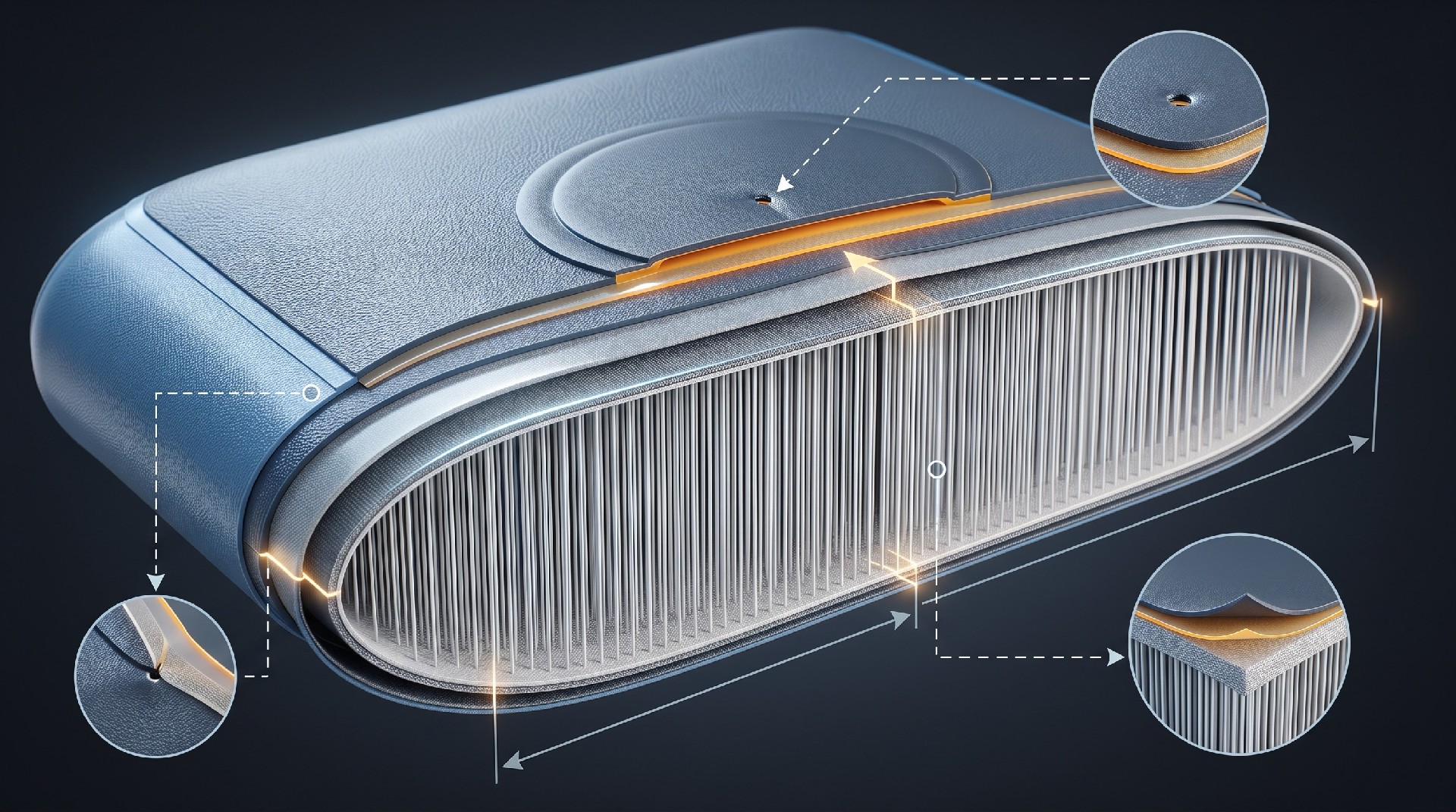
Some drop-stitch floor failures are not worth patching. Decathlon's support documentation for their Dropstitch kayak bottoms notes that the floor is repairable for punctures and valve wear, but severe delamination—where the internal threads separate from the outer coating—is typically a replacement scenario.
The patching-versus-replacement decision depends on:
Damage extent: A single puncture is a patch. Multiple leak points or widespread delamination indicate structural failure.
Location: Valve-area leaks are patchable but require precision. Seam failures on the floor's perimeter are often not field-repairable.
Floor age and remaining life: A floor already showing UV chalking, stiffening, or surface cracking will not hold a patch well.
Replacement cost versus repair labor: Replacement drop-stitch floors for popular kayak models are sold as spare parts—for example, Decathlon lists a replacement drop-stitch floor for their Itiwit kayaks at approximately €76–€130 depending on model and market. If a professional repair costs half that, replacement may be the more reliable choice.
Buyer Checklist: Drop-Stitch Kayak Floor Patching
Confirm floor coating (PVC or TPU) before selecting patch material.
Choose two-part adhesive for permanent repairs; one-part glues are temporary.
Verify patch fabric matches the floor's coating and approximate thickness.
Prepare surface with appropriate solvent and abrasion for the coating type.
Allow full cure time—24 hours for two-part systems—before inflating to working pressure.
Assess delamination honestly; patch kits are not a fix for structural floor failure.
The correct patching material for a drop-stitch kayak floor is not a universal product—it is a material match. PVC floors need PVC patches and adhesive. TPU floors need TPU patches and either heat welding or a TPU-compatible adhesive. Using the wrong material is the most expensive mistake because it wastes both the patch kit and the window of usability before the next trip.
