

Introduction: The Shift from Pole-Based to Pneumatic Shelter Systems
In the B2B outdoor equipment sector, the conversation around first-time camping experiences has shifted from a survival checklist to a technology showcase. For procurement managers, event rental companies, and glamping resort operators, outfitting a novice camper is no longer about simplifying a complex setup; it is about eliminating barriers to entry through advanced material science and pneumatic engineering. The modern inflatable camping tent represents a convergence of drop-stitch technology, high-denier fabric durability, and rapid-deployment systems that offer a compelling commercial ROI. This guide serves as a comprehensive technical deep-dive into the must-have equipment for a first weekend camping trip, analyzed through a B2B lens of material specifications, safety compliance, and fleet management.
When sourcing gear for first-time campers, the primary challenge is durability vs. user error. As the industry moves toward pressurized air frames, understanding metrics like Maximum Payload, PSI limits, and Hydrostatic Head ratings is crucial for mitigating warranty claims and ensuring guest satisfaction. This analysis focuses on the top 10 items, with a specific focus on high-value assets like inflatable shelters and sleep systems.
1. Shelter Core: The Inflatable Tent Frame System
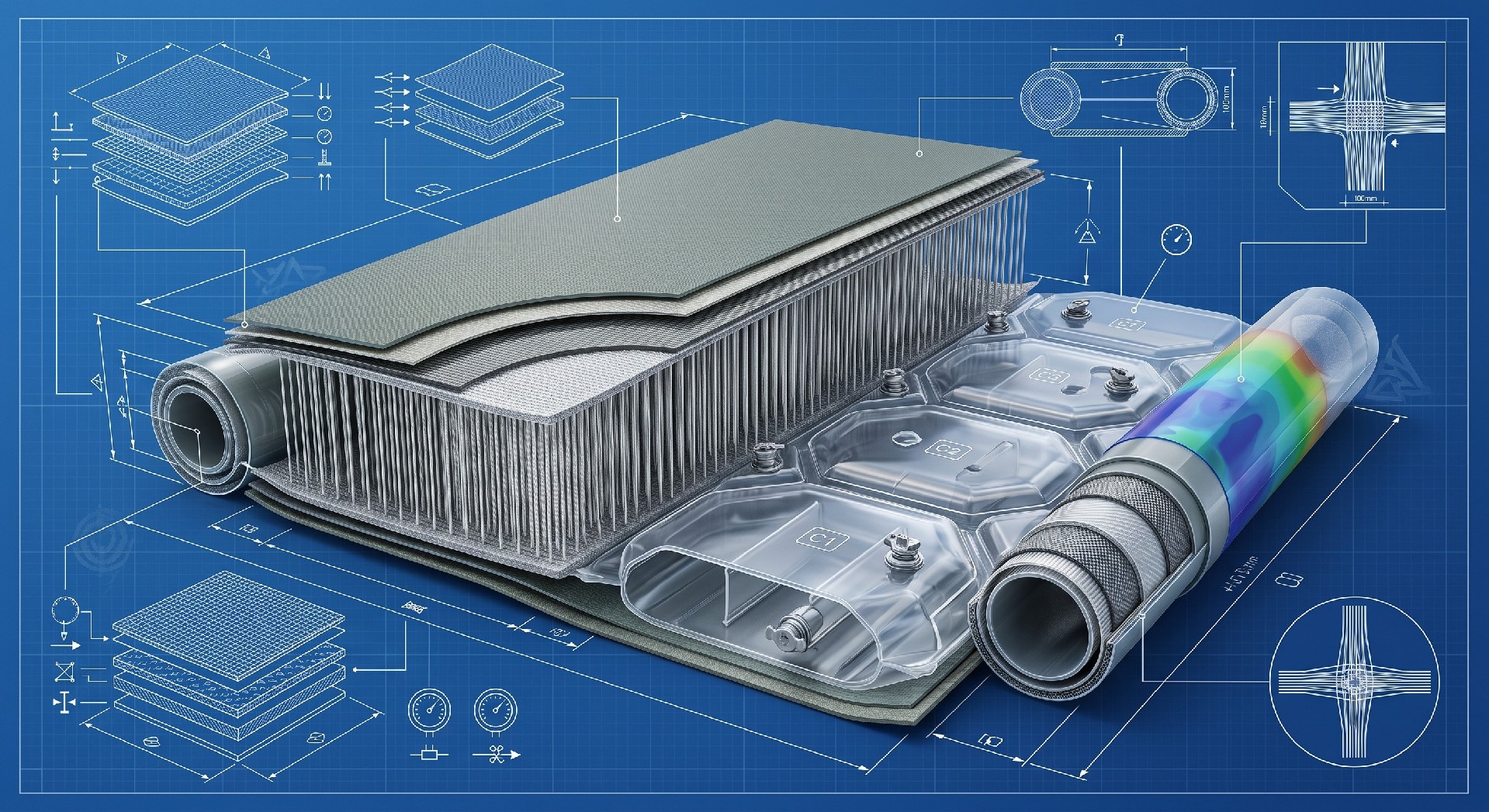
Forget traditional fiberglass and aluminum poles. The premier item on any list is the rapid-inflatable tent. These systems utilize an inflatable ribcage frame structure that offers significant advantages in setup time and structural integrity. A high-quality B2B unit should feature a single-point inflation system, allowing a large hub tent to be pitched in approximately 14 minutes [12]. The material specifications are critical: look for reinforced air tubes engineered to be over 200% stronger than standard TPU beams, offering resilience in extreme weather [12]. The canopy material often utilizes 210gsm polycotton (Aqua Cotton) or high-denier polyester, which balances breathability to reduce condensation with a high hydrostatic head rating (e.g., 4,500mm) for reliable waterproofing [12]. For commercial fleets, the pack size and weight (e.g., 90 x 55 x 66 cm, 55 kg) are vital metrics for logistics and transportation planning.
2. Sleep Systems: The Mechanics of Thermal Insulation
A successful camping trip hinges on sleep quality. B2B operators must prioritize sleep systems that offer both comfort and thermal efficiency. The market is moving beyond simple foam pads toward integrated inflatable mattress systems. For a premium experience, consider the AirNEST system, which combines a wall-to-wall queen-sized air mattress with an R-value of 4.0, essential for retaining body heat against cold ground [4]. The mattress is constructed from puncture-resistant 420D Oxford ripstop nylon, providing a balance of durability and weight (22.88 lbs for the integrated system) [4]. For a more traditional B2B supply, self-inflating pads remain a staple. When evaluating sleeping bags, always check for EN or ISO standard temperature ratings; a bag rated for the season, along with a sleeping mat with a high R-value, ensures a restful night and reduces the risk of cold-related discomfort [3][6].
3. The Power Infrastructure: Portable Energy and Inflation
The heart of the modern inflatable campsite is the electric pump and portable power station. For first-time campers, a manual pump is a deterrent. Commercial-grade gear must include high-output electric pumps (e.g., Airbank) capable of inflating both the tent structure and air mattresses in under two minutes each [4]. Furthermore, B2B suppliers should consider bundling portable power stations (e.g., EcoFlow RIVER 2) that can handle this load and provide backup power for lighting and devices. The ability to quickly inflate and deflate systems directly impacts throughput and operational efficiency, a key metric for rental fleets. The inflation/deflation time is a critical spec that must be communicated to end-users to ensure a frictionless experience.
4. Lighting and Navigation: Safety and Ambiance
Visibility is non-negotiable. For first-time campers, a headlamp is the superior choice over a traditional flashlight, as it keeps hands free for cooking and setup [9]. B2B procurement should focus on USB-rechargeable units with red-light modes to preserve night vision [6]. Additionally, a sturdy lantern serves as the centerpiece for evening activities. For navigation, offline digital maps (downloaded via apps) are recommended over physical maps for this demographic, but a portable battery pack is essential as cellular signal is often unreliable in parks [3][11].
5. The Camp Kitchen: Hygiene and Efficiency
The camp kitchen can make or break the end-user experience. Simplicity is key. For a first weekend, a compact single-burner gas stove with a push-button ignition is ideal [2]. B2B suppliers should advocate for lightweight, nesting cookware and utensils. A practical tip for retailers to pass on is pre-prepared meals or freeze-dried options to minimize washing up [9]. The inclusion of a 5-litre water carrier ensures easy access to water for drinking and cleaning [9]. Furthermore, a sturdy cooler (hard-sided or rotomolded) with a high ice-retention rating (e.g., Yeti Tundra) is a high-margin upsell that protects fresh food and reduces the hassle of ice runs [6][11].
6. Health and Safety: The Non-Negotiable Essentials
Legal liability and guest safety are paramount for B2B operators. A comprehensive first aid kit is mandatory. It should include blister pads (a necessity for new hikers), antiseptic wipes, pain relievers, and a tick removal tool [5][11]. For remote locations, a Personal Locator Beacon (PLB) or satellite communicator (e.g., Zoleo) is recommended as a non-negotiable safety standard [3]. Sunscreen and insect repellent are also basic hygiene items that prevent common complaints.
| Equipment Category | Critical B2B Specification | Industry Standard / Metric |
|---|---|---|
| Inflatable Tent Frame | Reinforced Air Beams (200%+ Strength vs TPU), 210gsm Polycotton, 4,500mm Hydrostatic Head | CE, EN71, ISO 6185 |
| Sleeping System (Mattress) | 420D Oxford Ripstop Nylon, R-Value 4.0+, Puncture Resistant | Drop-stitch PSI / Max Payload |
| Power & Inflation | Electric Pump (2 min inflation time), 12V/15,600mAh Lithium-Ion Battery | Portable Power Station (e.g., EcoFlow RIVER 2) |
| Cook System | Single-Burner Gas Stove (Push-button ignition), Rotomolded Cooler (Ice Retention) | Total Cost of Ownership (TCO) / Fuel Efficiency |
7. Apparel: The Layering System vs. Cotton
For the first-time camper, apparel is the area where rookies make the most mistakes. The priority is eliminating cotton, which loses its insulating properties when wet. The recommended technical layering system is: Merino wool base layer (moisture-wicking), fleece mid-layer (insulation), and a waterproof shell jacket [3][6]. Sturdy footwear, such as waterproof hiking boots, is essential. For B2B retailers, bundling a high-quality synthetic beanie and gloves is a high-margin add-on that prevents cold-related issues.
8. Site Comfort: The Glamping Touch
Comfort items are highly profitable for B2B wholesalers. A folding camp chair is not a luxury; it is a user-experience necessity that significantly improves satisfaction [1]. Offering a foldable table or a tarp/sunshade provides weather protection and a dedicated dining area, enhancing the perceived value of the rental package.
9. Tools and Quick Fixes: Resilience Kits
First-time campers are prone to accidents. B2B kits should include a multi-tool and a spare tarp. A small repair kit containing duct tape and superglue can be a lifesaver for minor punctures or broken tent zippers [7]. These low-cost items prevent catastrophic failure and protect the primary asset (the tent).
10. Connectivity and Storage: The Digital Nomad Edge
Finally, for the modern family camper, a portable power station ensures devices stay charged for photography and emergencies [11]. Additionally, dry bags and compression sacks are critical for organization, keeping clothes and electronics dry in unpredictable weather [1].
[IMAGE_2]
Commercial Conclusion: Balancing Specs with End-User Reality
For B2B buyers, selecting the "Top 10" items for a first weekend trip requires a shift from general retail to performance engineering. The focus must be on pneumatic reliability (Drop-stitch PSI, welded seams, CE/ISO compliance), material longevity (PVC/Hypalon thickness, denier count), and operational logistics (inflation/deflation time, pack size). The top-tier asset is the inflatable tent. A data-driven evaluation of this equipment [10] shows that investing in reinforced drop-stitch cores and multi-chamber safety systems minimizes downtime and maximizes rental profitability. By prioritizing these technical specifications, businesses can ensure their clients experience a seamless, safe, and enjoyable first adventure, driving loyalty and repeat business.
