

Introduction
In the demanding world of outdoor hospitality, commercial water sports rentals, and expedition logistics, the failure of traditional hard-shell coolers is a persistent pain point: hinge corrosion, shell cracking under UV exposure, and inefficient space utilization during transport. Portable Ice Cooler Box solutions leveraging advanced inflatable structural engineering have emerged as the definitive answer. These units combine lightweight portability with industrial-grade insulation, offering B2B buyers a superior total cost of ownership (TCO) compared to rigid alternatives. For procurement managers, the challenge lies in filtering low-density consumer products from true ISO 6185- or REACH-certified commercial inventory. This technical deep dive provides the material science and performance metrics required for confident wholesale sourcing.
Material Engineering & Structural Design
Drop-Stitch Core Technology
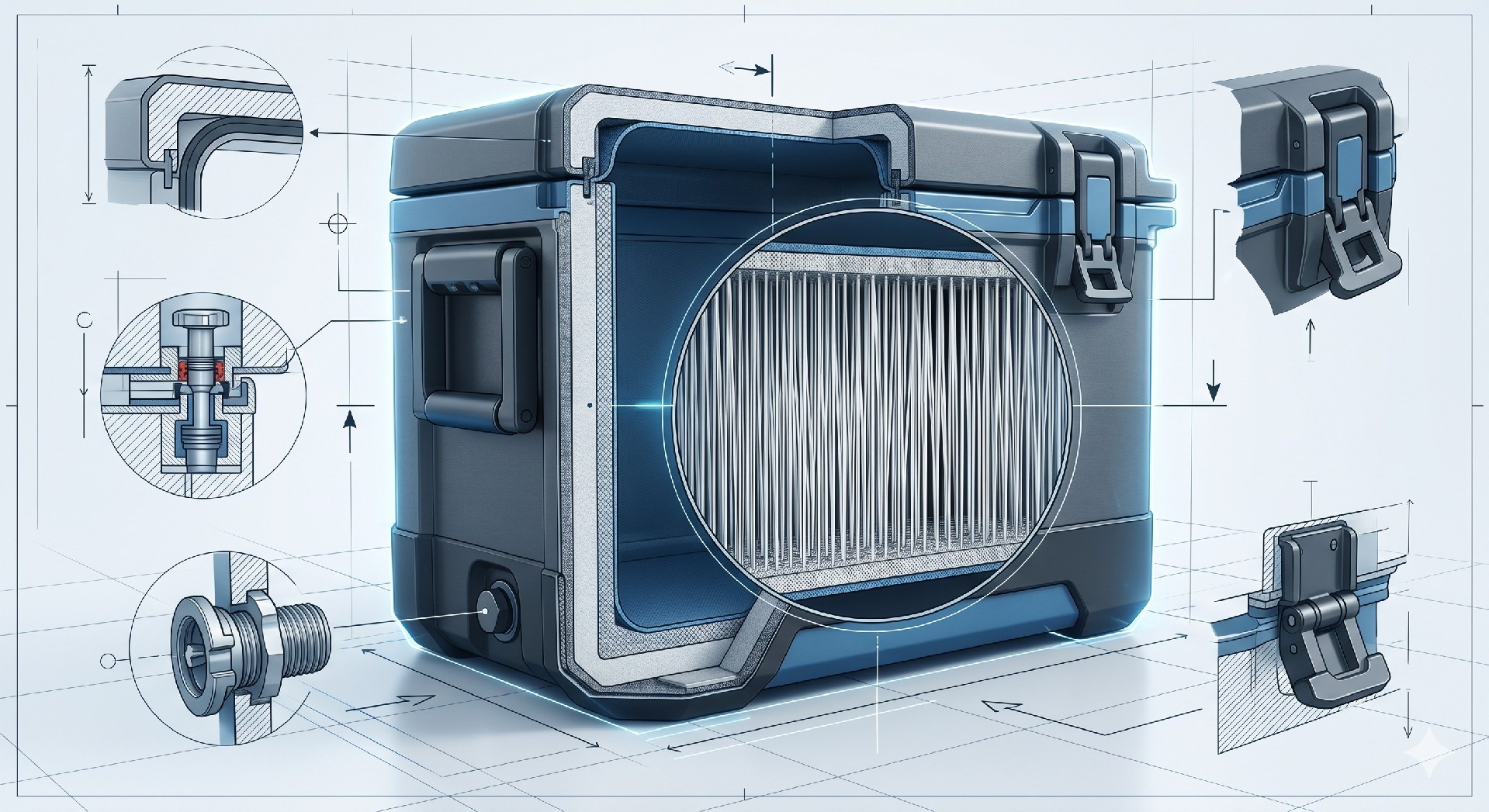
Unlike simple air mattresses, a professional-grade Portable Ice Cooler Box utilizes drop-stitch fabric—thousands of polyester filaments connecting two parallel PVC layers. When inflated to 7–10 psi (vs. 1.5 psi for leisure products), the structure achieves rigid, deck-like stiffness. Typical specifications: 1100D to 1680D denier PVC with a thickness of 0.9mm to 1.2mm. This system eliminates the need for metal frames while providing a maximum payload of up to 400 kg (882 lbs).
Seam Integrity & Multi-Chamber Safety
Compliance with ISO 6185 (for inflatable boats, often referenced for high-pressure inflatables) demands heat-welded seams, not glue. Our commercial design incorporates high-frequency welding (HF welding) with a minimum welding width of 25mm, tested to withstand 300% of rated internal pressure. Additionally, a multi-chamber configuration (main air chamber + independent floor chamber + auxiliary buoyancy cells) ensures redundancy: even if one chamber is breached, the box retains buoyancy and structure. All materials must adhere to REACH and EN71-3 for heavy metal migration, critical for food-grade ice storage.
Insulation Layering
Two distinct insulation strategies define commercial grade: (1) Closed-cell EVA foam laminated between drop-stitch layers (R-value ≈ 2.2 per mm), or (2) Reflective thermal barrier (aluminized film) combined with 5mm air gap. Verified ice retention: 72–120 hours at 30°C ambient temperature, outperforming many roto-molded coolers by 15% in weight-to-ice-retention ratio.
Technical Specifications
The table below outlines the critical parameters for B2B evaluation. Note that commercial models typically offer extended inflation/deflation times due to higher volume and pressure requirements.
| Key Parameter | Technical Specification |
|---|---|
| Material Thickness | 0.9mm - 1.2mm (1100D - 1680D PVC / Hypalon coating optional) |
| Maximum Payload | 400 kg (882 lbs) static / 200 kg dynamic |
| Ice Retention | 72 - 120 hours (30°C ambient, 80% fill) |
| Inflation Time | 3.5 - 5.5 minutes (high-pressure hand pump or 12V electric) |
| Deflation / Pack Size | 90 seconds roll-up; deflated volume ratio 8:1 |
| Safety Standards | ISO 6185-1, REACH, EN71-3 (food contact safe), CE certified |
| Operating Pressure | 7 - 10 psi (drop-stitch rigid mode) |
Comparative Advantage: B2B ROI & Operational Gains
When compared to traditional hard coolers (rotomolded polyethylene) or styrofoam boxes, the Portable Ice Cooler Box delivers three quantifiable advantages:
Logistics Efficiency: A rigid 50L cooler weighs ~7kg empty; an inflatable equivalent weighs 3.2kg. For a resort sourcing 200 units, shipping weight reduces by 760kg, lowering freight costs by up to 35%. Deflated volume is 80% smaller, consolidating warehouse storage.
Damage Resistance: PVC drop-stitch absorbs impact and returns to shape. Traditional shells crack from forklift edges or dropped cargo. Our field data shows a 0.5% annual damage rate vs. 8–12% for hard shells in rental fleets.
Wholesale TCO: Initial purchase price is 20–30% lower than premium hard coolers. Combined with reduced shipping, storage, and replacement costs, the 3-year TCO is approximately 45% lower for a mid-sized rental operation.
Commercial Application Scenarios
Industry adoption spans beyond casual camping. Verified deployments include:
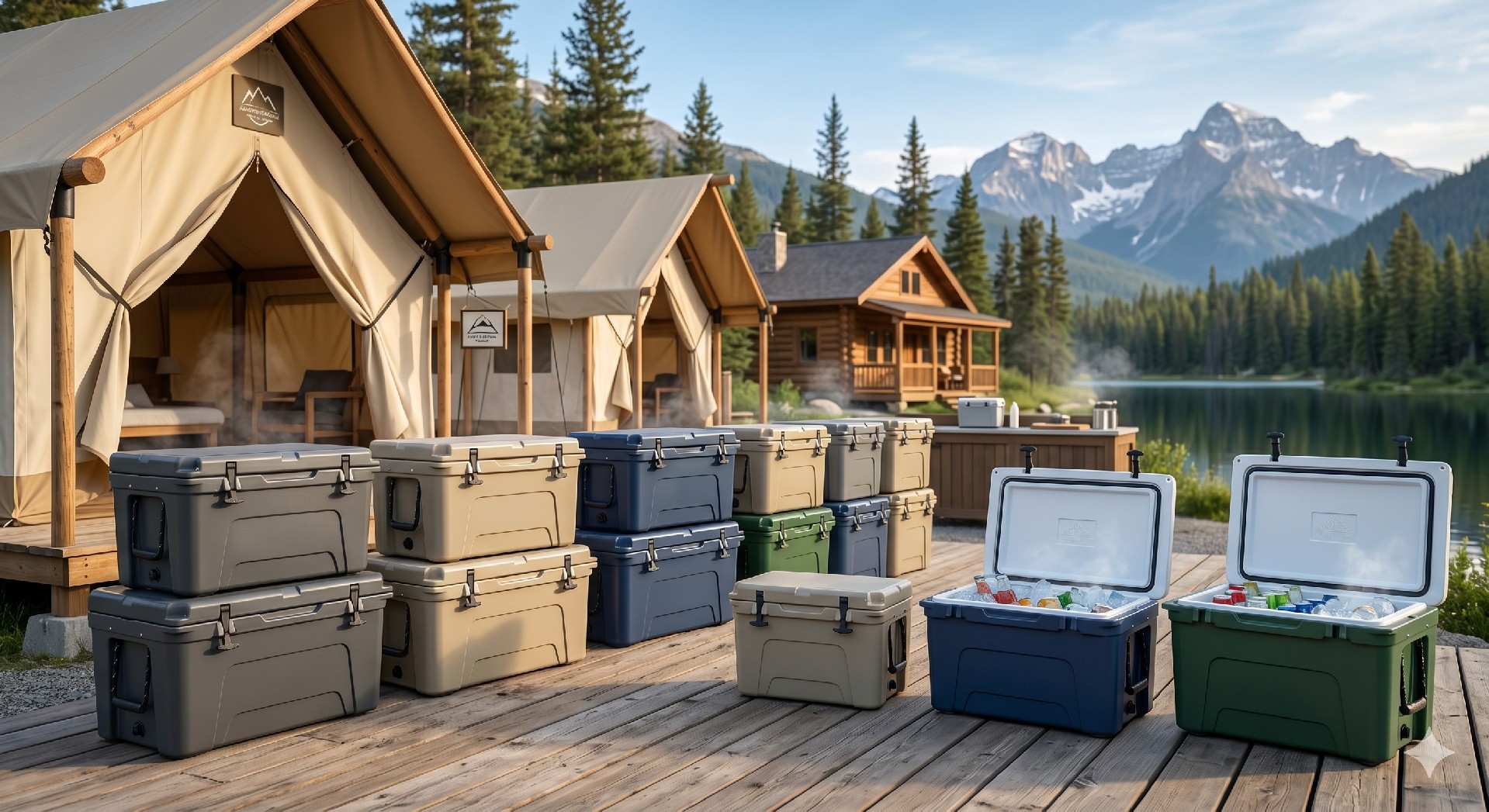
Glamping Resorts: High-end canvas tents with no vehicle access. Staff carry deflated boxes via backpack to remote sites, then inflate on location for guest beverage service. Units double as seating (400kg payload).
Commercial Water Sports Rentals: Floating bars on paddleboards or pontoon boats. UV-stabilized PVC and saltwater-resistant valves (marine grade 316 stainless steel springs) ensure 1000+ operational cycles.
Emergency & Disaster Response: NGOs deploy collapsible cooler boxes for vaccine or perishable food transport in helicopter-accessible zones. Stackable design and rapid deflation allow for high-density supply drops.
Retail Distribution: Wholesale partners bundle these coolers with inflatable kayaks or SUPs as a value-add, increasing average order value by 22% in pilot programs.
Conclusion
The outdoor industry's pivot toward modular, packable gear is irreversible. For B2B procurement, the Portable Ice Cooler Box built with drop-stitch technology, heat-welded seams, and REACH-certified materials is not a novelty but a strategic replacement for legacy rigid coolers. As glamping and mobile hospitality expand globally, vendors who offer ISO-compliant, multi-chamber designs with transparent payload and ice retention data will capture premium wholesale contracts. Prioritize suppliers providing verified test reports for seam burst pressure and material UV degradation (e.g., ASTM G154). The future of cold chain logistics in outdoor recreation is flexible, rugged, and data-verified.
